
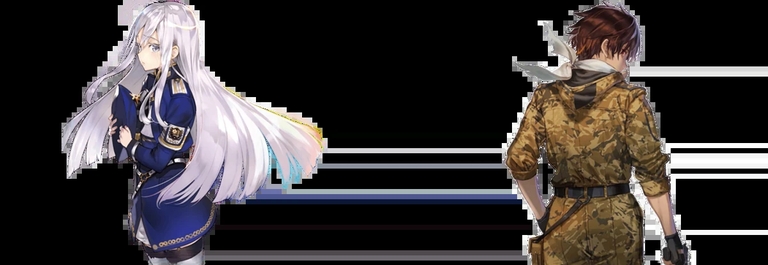
You're probably wondering why Shin and Lena's relationship in the 86 eighty-six anime hits different than every other military romance you've seen. It's not just because they're good-looking mecha pilots. The show commits to the idea that two people trying not to die in a war might have bigger priorities than holding hands, and that restraint makes every small moment feel like it matters.
Most anime couples either get together in episode three or dance around each other forever. Shin and Lena do neither. They start as handler and processor, separated by class, geography, and the fact that one thinks the other is a racist drone pilot while the other thinks she's a naive officer playing soldier. Their connection builds through radio static and shared trauma, not beach episodes or accidental falls. By the time they meet face to face in that field of red spider lilies, the weight of their bond already feels heavier than most anime marriages.
The Handler and the Reaper
Lena starts as the tactical commander for the Spearhead Squadron, which means she's the Alba officer sitting in a comfortable control room while Shin and the other Eighty-Sixers fight and die in scrap metal mechs. The power imbalance is baked into their first conversations. She holds their lives in her hands but doesn't understand the cost, and Shin treats her with the kind of polite disdain you reserve for someone who thinks they're helping while making everything worse.
Their nightly Para-RAID sessions change the game. These aren't casual chats. Lena stays up late connecting her consciousness to Shin's, experiencing the battlefield through his senses, hearing the screams, feeling the cold. She doesn't look away. Previous handlers disconnected after one bad night, but Lena keeps coming back, asking for names, asking about their lives, refusing to treat the Eighty-Six as disposable hardware. Shin finds this annoying at first. Then he finds it fascinating. Then he finds he can't sleep without hearing her voice.
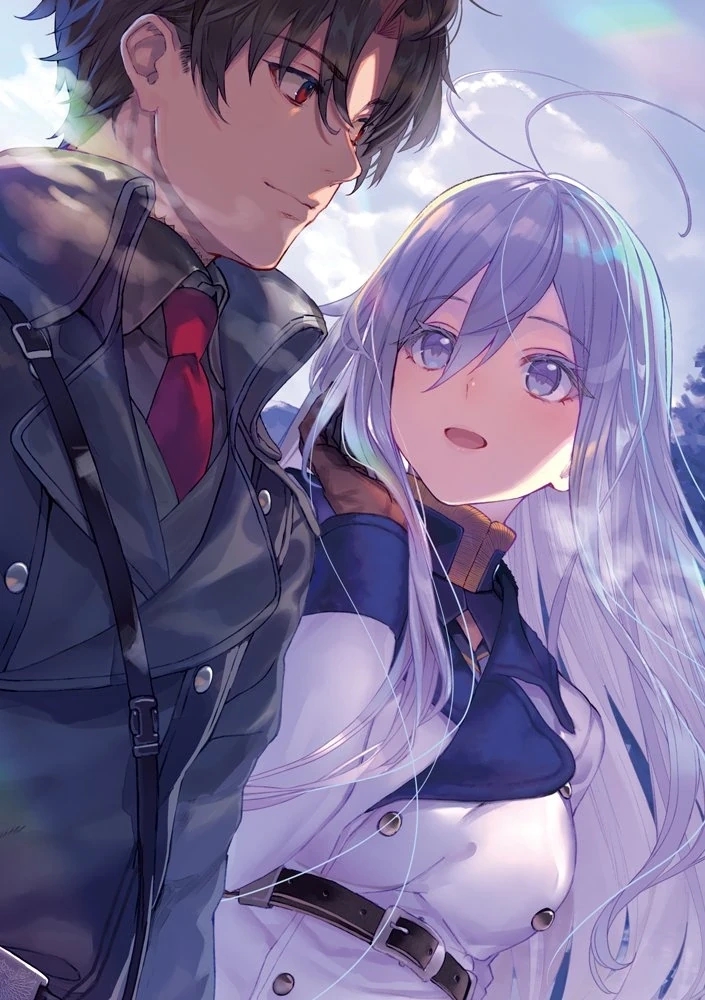
The turning point comes with Kaie's death and the revelation that Shin's brother Rei is one of the Legion drones hunting them. Lena doesn't flinch when Shin tells her about his trauma. She doesn't offer pity. She offers understanding, sharing her own connection to Rei through childhood memories that Shin never had access to. This mutual recognition of pain creates a bridge. Shin asks her to never forget them, to leave flowers at their final destination, effectively handing her his death warrant and his trust in the same breath.
Separation and the Spider Lilies
The anime's first cour ends with Shin and the Spearhead Squadron marching off on a suicide mission while Lena screams through the radio, promising she'll catch up. She doesn't know if they're alive. He doesn't know if she survived the Republic's fall. The separation is brutal because their connection was built on constant contact, and suddenly there's nothing but static.
When they meet again, it's in a field of red spider lilies, which symbolize final goodbyes in Japanese flower language. Shin doesn't recognize her. He's been fighting nonstop, his mind half-gone, and she's wearing a different uniform. He interrogates her with a gun to her head, asking why she fights. She gives him the answer he needs, not knowing it's him, and he realizes she's alive. The relief is so intense he can't speak. He lets her walk away without revealing himself because he thinks she deserves to complete her mission to the Spearhead's memorial site.
Their second reunion at that memorial is quieter. She sees him. He smiles. It's the first time he's smiled in the entire series, and it breaks her. This moment works because the show earned it. They didn't rush into each other's arms. They saluted first. They respected the dead first. Then they talked, and the weight of their separation hung between them like humidity.
Resetting the Board
Once Lena joins the Eighty-Sixth Strike Package and becomes Shin's commanding officer in the field, they make a weird but mature decision. They reset their relationship to professional superior and subordinate while on duty, switching to first names only in private. This isn't some arbitrary drama device. It's two people acknowledging that feelings get people killed in combat, and they need to trust each other's tactical judgment without romantic confusion clouding the chain of command.
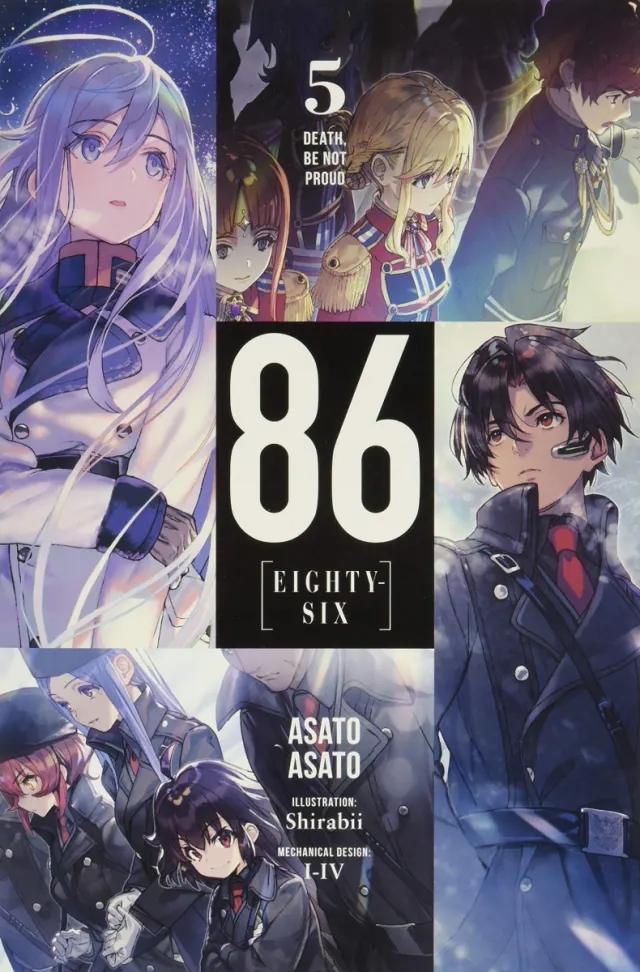
Shin treats her with formal distance during operations, which annoys her sometimes, but it also keeps her safe. He won't hesitate to pull her out of fire because she's his commander, not because she's his crush. Lena struggles with this balance. She wants to be close to him, to break through his shell, but she also recognizes that the shell keeps him functioning. Their early interactions in the Strike Package are awkward, full of missed signals and half-spoken worries. He thinks she's still carrying the Republic's sins. She thinks he's still trapped in the Eighty-Sixth Sector, unable to imagine a future.
Frederica notices Shin's affection before he admits it out loud. She teases him about it. Theo calls them a troublesome pair. Vika figures it out immediately. The squadron knows because Shin, who never talks about personal stuff, can't stop talking about showing Lena the sea. That simple wish becomes his reason to survive, replacing his previous motivation of just finding his brother's body and dying.
Analyzing Lena and Shin's Relationship Progression
If you're watching the anime and waiting for them to kiss, you'll be waiting through most of season two and beyond. The light novels stretch this tension from volumes four through six, filling the time with small moments that build cumulative weight. Lena covers Shin with a blanket while he's sleeping. He catches her when she slips on ice during a rare moment of recreation. They don't talk about what these gestures mean. They just keep happening.
The progression is slow because both characters are dense in the way that trauma survivors often are. Shin doesn't believe he deserves happiness. Lena doesn't believe she deserves his trust after failing to save the original Spearhead. They circle each other, professional on the surface, increasingly desperate underneath. When Shin finally confesses during the fireworks display in the Alliance of Wald, it's not flowery. He just tells her he wants to show her the sea, which is the only future he's capable of imagining, and asks if she'll come with him.

Lena's response is pure panic. She kisses him and runs away. No words, no acceptance, just flight. This isn't played as a cute tsundere moment. It's a woman who has spent her life controlling everything realizing she's lost control of her own heart, and she's terrified. The month of awkward silence that follows is painful and realistic. They have to work together. They have to fight together. They can't avoid each other, but they also can't look at each other without remembering that kiss.
The Kisses That Matter
Volume eight gives us the famous payback kiss aboard the Stella Maris. Shin corners Lena, calls her out for running, and kisses her with what the novels describe as a biting intensity. He tells her she can answer when she's ready. This reversal of the traditional shoujo dynamic, where the guy is usually the dense one, works because it forces Lena to confront her own cowardice. She's the one who has to make the next move.
She makes it in volume nine, after Shin nearly dies and Theo yells at him for his self-destructive tendencies. Lena finds him injured and finally says the words. She loves him. She kisses him properly, not out of panic but out of choice. They become an official couple during the Valkyrie Has Landed mission, though they keep it quiet from the brass.
These physical moments matter because the show didn't hand them out early. When Shin kisses Lena, it carries the weight of six volumes of shared combat, trauma, and late-night radio conversations. Compare this to other anime where the protagonist trips into a girl's chest in episode one and they're dating by episode four. The delay creates value. ShinLena shipping details track this progression from annoyance to devotion across the entire series.
Why Professional Boundaries Make the Romance Work
The most unique aspect of their relationship is that they maintain military discipline even after confessing their feelings. When the alarm sounds, they're Major and Captain, not boyfriend and girlfriend. Shin follows her orders even when they put her in danger, and she trusts his battlefield instincts even when they look like suicide. This professional respect prevents the romance from undermining the war story.
Other anime war couples usually either ignore rank entirely or have the romance solve the war. Shin and Lena know better. They understand that love doesn't stop artillery. Discussions about their dynamic often point out that Shin specifically refuses a one-sided adoration dynamic. He doesn't want Lena worshipping him as the Reaper, and he won't worship her as the Bloodstained Queen. They have to meet as equals, which is hard when one technically outranks the other.
This balance is what allows their relationship to feel sustainable. They're not just trauma bonding, though they definitely share trauma. They're choosing each other every day while also choosing to protect the people around them. When Shin defies Lena's direct orders for the first time, it's to save her life, not to prove a point. She yells at him afterward, but she also understands why he did it.
The Sea and the Future
Shin's desire to show Lena the sea isn't just a romantic gesture. It's his proof that he believes in a future beyond the battlefield. For five years, his only goal was finding his brother's remains and dying. Lena gave him something else to look forward to. The sea represents freedom, the horizon, a world that isn't burning.
Lena's growth mirrors this. She starts as someone who fights to atone for her country's sins, trapped in guilt. Through Shin, she learns to fight for something positive, a future where they both survive. Their relationship doesn't fix them. They still have nightmares. They still flinch at loud noises. But they don't have to face those moments alone anymore.
Shin's complete relationship arc shows how this develops from seeing her as a naive burden to his primary reason for living. The wiki tracks every stage, from the early radio days to the Stella Maris confession. It's a masterclass in slow burn writing because every phase feels earned by the characters' previous actions.
What the Anime Gets Right
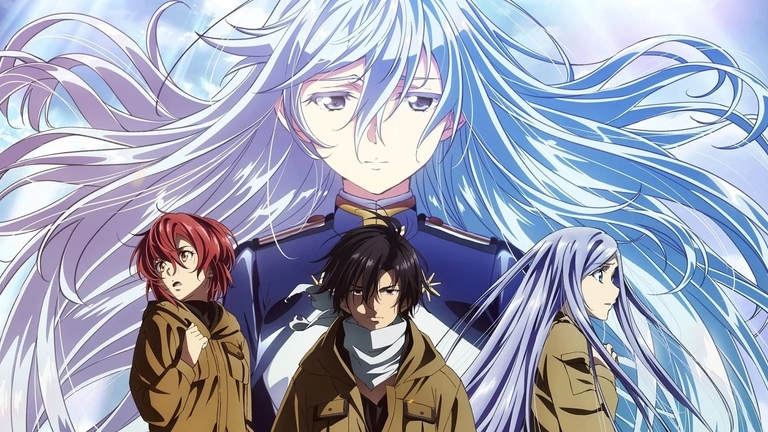
The adaptation by A-1 Pictures captures the visual language of this relationship perfectly. The red spider lilies, the blue Para-RAID connections, the way Shin's eyes soften by fractions of a degree when he sees Lena after the reunion. They don't need to animate make-out scenes to sell the romance. They animate the distance between them, the way Lena reaches out her hand in the control room but can't touch him, the way Shin clutches his jacket where her voice comes from.
The anime also preserves the power imbalance without sanitizing it. Lena is an Alba. Shin is a Colorata. She grew up privileged. He grew up in a concentration camp. The show doesn't pretend this doesn't matter. Their relationship works because Lena never tries to be a savior, and Shin never tries to be a victim. They acknowledge the gap and decide to bridge it anyway.
By the time you reach the end of the available anime content, they're not officially together yet in the on-screen text, but you know. You can see it in the way he positions his mech to shield hers, the way she whispers his name when she thinks he's dead, the way they both look at the ocean on the horizon. The 86 eighty-six anime analyzing lena and shin's relationship reveals that the best romances aren't about grand gestures. They're about showing up, night after night, even when the static is bad and the war is worse, and choosing to stay connected when everything else is falling apart.
They don't need to say I love you every episode. They need to survive, and they need to do it together. That's the whole point. The kissing comes later, and when it does, it means something.