
Lena and Shin relationship development in 86 Eighty-Six isn't some cheap romance tacked onto a war story. It's the whole backbone of the series, built on trauma, distance, and two people who can't stop misunderstanding each other until they suddenly can't breathe without the other person nearby. They start off as handler and processor, which is military speak for boss and disposable soldier, and the power gap is massive and weird and uncomfortable because Lena thinks she's being nice while Shin is just waiting for her to break like every other Alba officer he's watched die or quit. She keeps calling him by name when everyone else uses numbers, and he keeps wondering why this silver-haired girl from the safe side of the wall won't stop talking to him through the Para-RAID at night when he just wants to process the fact that he sent another friend to die that day.
Most anime fans stop at the reunion scene at the end of Season 2 and think they've seen a love story wrap up. They haven't. They've seen the prologue. The actual relationship, the one where they hold hands and kiss and admit they want to live for each other, that doesn't start until Volume 7 of the light novels, and it doesn't become official until Volume 9. If you're here because you watched the anime and want to know if they get together, the answer is yes, but it takes forever and its messy and frustrating in the best way possible because both of them are dense as bricks and traumatized beyond belief.
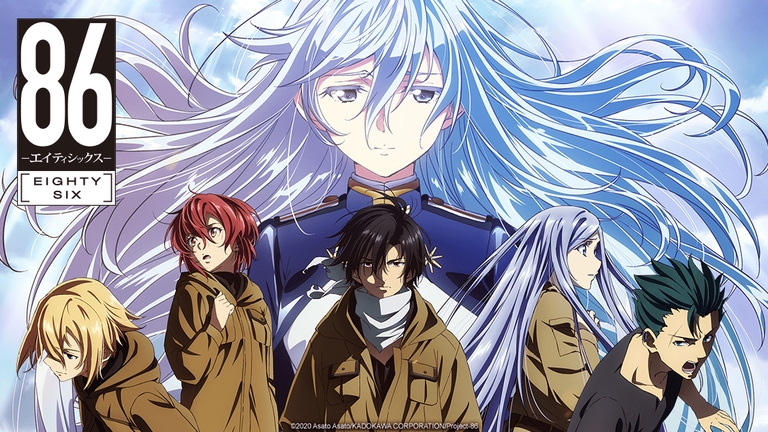
Lena and Shin Relationship Development Starts With Para RAID
The beginning is all about the Para-RAID. That's the psychic radio thing that lets Lena, sitting in her comfy command room in the Republic, hear Shin's voice while he's out in the field killing Legion drones and watching his friends die. Shin is the Reaper, the guy who survives when everyone else doesn't, and he's carrying this massive guilt about his brother Rei who tried to strangle him before dying and becoming a Legion unit. Lena doesn't know any of this at first. She just thinks he's a cool soldier who talks less than the others.
She projects this image of the ideal warrior onto him. She thinks he's noble and tragic and beautiful in this sad way, which is annoying and weird when you realize she's basically romanticizing his suffering from her safe tower. Shin finds her annoying at first, or maybe he just finds her confusing, because she's the first handler who Shin and Lena dynamic asks for their names and refuses to use the racist designation of 86. He tests her by telling her about the maintenance issues and the illegal missions and she doesn't run away, which surprises him, but he still keeps his distance because he knows she's going to die or disappear like the rest.
The turning point comes after Kaie dies. That's the girl who got melted by the laser. Lena breaks down over the Para-RAID, and instead of shutting down like a good soldier, Shin comforts her. He tells her about the burning fields and the sheep and the things he sees that she can't, and she realizes he's not a machine. He's a boy her age who is dying inside. Then there's the night he tells her about Rei, about the neck scars, about wanting his brother to kill him so he can stop hearing the voices of the dead. Lena doesn't sleep that night. She just sits there listening to him breathe, and that's when she falls for him, though she doesn't know it yet. It's not romantic love at first. It's the desperate attachment of someone who thinks she's the only thing keeping him from walking into the dark.
The Special Recon Mission and the Death That Wasnt
Then the Republic sends the Spearhead Squadron on a Special Reconnaissance Mission, which is fancy military talk for "go die in enemy territory so we don't have to feed you anymore." Lena fights it but she can't stop it. Shin accepts it because he's ready to die. He asks her not to forget them, which is the most vulnerable thing he does in the entire first cour, and Lena takes that request like a mandate from God. She spends months after they leave thinking they're dead, mourning them, fighting to keep their memory alive in a country that wants to erase them.
Meanwhile, Shin and the survivors get rescued by the Federacy. This is where the story splits in two. Lena stays in the Republic becoming the Bloodstained Queen, cutting her hair and staining her hands with blood to keep the Legion at bay, getting harder and colder every day because she thinks Shin is dead and she has nothing left to be soft for. Shin goes to the Federacy and gets therapy and new gear and slowly stops wanting to die, but he thinks Lena is still safe behind the walls, not realizing she's become a monster to survive. They both think the other is dead or gone forever, and they both break in different ways.
The anime ends with that reunion in the field of spider lilies where she finds out he's alive and he realizes she's been fighting all this time. It's a great scene. It's also just the beginning of their problems because now they have to figure out how to talk to each other when they're not separated by a wall and a radio.
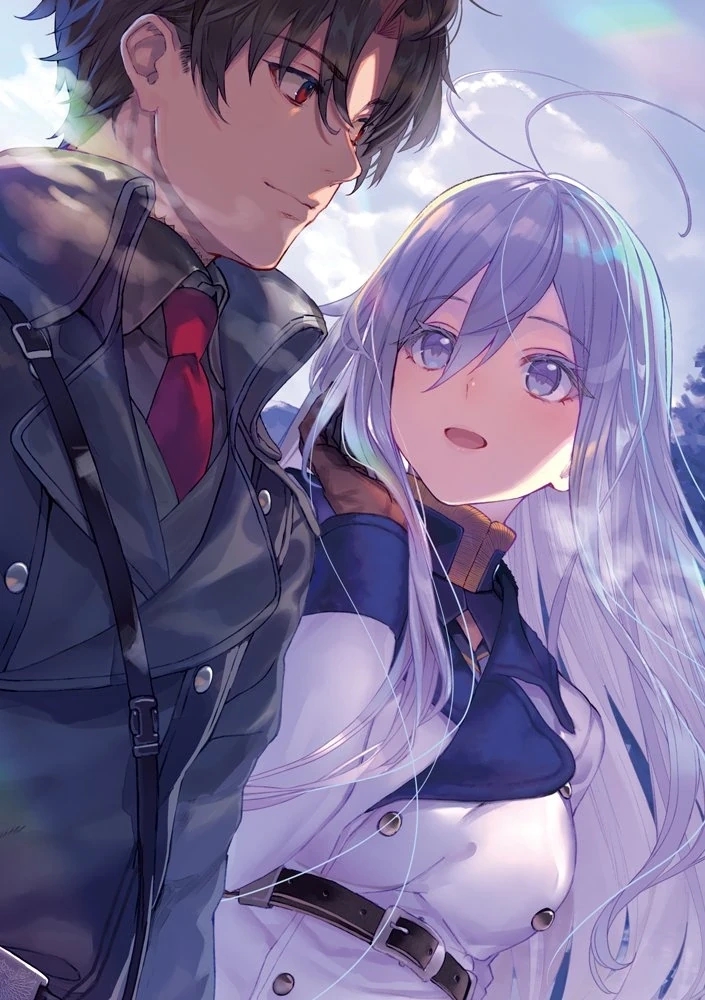
Reunion and the Professional Reset
When Lena joins the Eighty-Sixth Strike Package in Volume 4, everything resets. They decide, consciously, to be superior and subordinate on duty. No special treatment. No acknowledging that they spent nights talking about life and death while she was safe and he was bleeding. They call each other by first names in private, Lena and Shin, but in the briefing room she's Colonel Milizé and he's Captain Nouzen and there's this wall between them that drives everyone else crazy because it's obvious to literally every other character that they're into each other.
This is where the relationship development gets interesting and frustrating. Shin looks at Lena and sees someone carrying the weight of the Republic's sins. He thinks she's burdened by guilt she doesn't deserve and he doesn't know how to talk to her without dragging her down into his trauma. He sees her giving orders and being strong and he assumes she's fine, that she's moved on from the girl who cried over the phone, and he respects that strength so much he keeps his distance. Lena looks at Shin and sees someone who's closed off, still trapped in the Eighty-Six mindset of waiting for death, and she thinks he doesn't see her as an equal or a partner, just as another commander to obey until he dies. They're both wrong. They're both projecting. They're both terrible at communicating and it creates this awkward tension where they keep offending each other without meaning to.
Volume 5 is basically about Shin realizing he doesn't understand Lena at all. They're in the United Kingdom of Roa Gracia dealing with AI drones and crazy princes, and Shin watches Lena command and strategize and he realizes she's carrying the world on her shoulders. Volume 5 review details how he admits to himself that he's been selfish, only seeing her through his own lens of survival and death, never asking what she wants or what she fears. He sees her looking at a beautiful garden and he can't understand why she still sees beauty in the world after everything she's seen, and that's when he knows he wants to understand her. Not as the handler who saved him, but as Vladilena Milizé, the girl who likes sweets and can't cook and is terrified of being abandoned. It's a solid character moment that shifts them from wartime comrades to potential lovers, but he still doesn't act on it because he thinks he's not good enough for her.
The Power Imbalance Problem
One thing that gets discussed a lot is whether their relationship is healthy given how they started. She was his superior. He was a disposable soldier. She had all the power, he had none. Some fans think this makes the romance weird or impossible, but the story addresses it head on.
Shin refuses to be with someone who worships him. He says outright that he doesn't want to be adored from below. He wants to stand next to someone as an equal. That's why he can't confess until he feels like he's earned the right to stand beside her, not as the Reaper she pitied, but as Shinei Nouzen who has a future. Lena, for her part, has to stop seeing him as her soldier to protect and start seeing him as a man who can protect her too. The power balance only works because they both consciously reject the handler-processor dynamic once they're in the Federacy. They rebuild the relationship from scratch, brick by brick, until they're just two people who chose each other.
The Slow Burn Confessions That Take Forever
Volume 6 is all build up. They're ice skating and she's falling and he's catching her and there's tension so thick you could cut it with a knife, but neither of them says anything because they're both convinced the other person sees them as just a friend or a commander. It's painful to read. You want to shake them. Annette is practically screaming at Lena to confess, and Theo is giving Shin side eyes every time Lena's name comes up. Raiden tells Shin he's being an idiot. Everyone knows except the two people involved.
Then Volume 7 happens. They're at this ball in the United Kingdom of Roa Gracia, and Shin finally snaps. He can't take the ambiguity anymore. He pulls her aside and confesses properly, tells her he loves her, and Lena's reaction is to kiss him and then run away. Literally run away. She flees the room because she's panicking and flustered and doesn't know what to say. It's not the graceful moment you see in other romance stories. It's awkward and real and she avoids him for a month, which drives him crazy because he thinks he messed up.
Volume 8 is Shin getting his revenge for that panic kiss. He corners her and kisses her properly, not a gentle thing but something with teeth, something that says "I'm not letting you run again." It's intense and a little scary but exactly what they need because Lena stops running and starts fighting for the relationship too. She realizes she wants him, not as a subordinate or a war buddy, but as her partner.
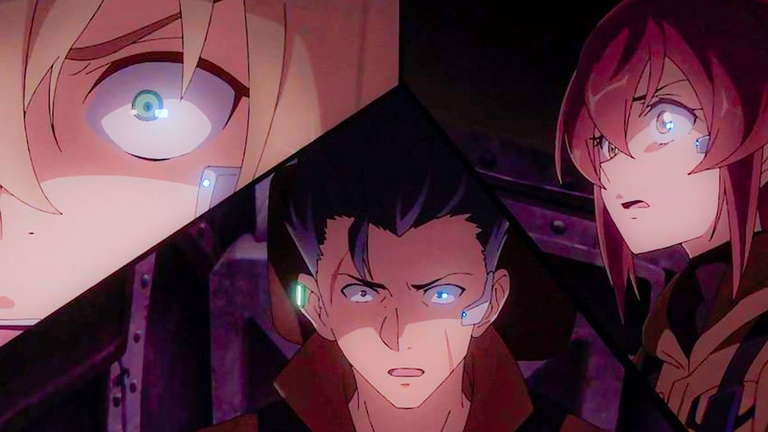
Volume 9 and Becoming Official
Volume 9 is where they officially become a couple. There's a whole incident with Theo where Shin almost breaks down because of his brother's Legion unit, and Lena is there, and she finally says it out loud. She tells him she loves him, properly, with words and not just panicked kisses. They kiss again, properly this time, and it's confirmed. They're together. The illustrations show them being affectionate, holding hands and looking at each other like they're the only people in the world, and the other characters are relieved because the tension was getting ridiculous.
This progression, from Volume 4 to Volume 9, is why their relationship works. It doesn't happen because the plot demands a romance. It happens because Shin learns to want a future beyond revenge and death, and Lena learns to be vulnerable and accept that she doesn't have to carry everything alone. They meet in the middle after walking through hell separately.
Why the Sea Matters So Much
Shin's whole motivation for surviving, once he stops wanting to die to meet his brother, becomes showing Lena the sea. He asks her in Volume 1 if she knows what the sea looks like, and she doesn't, and he decides right then that he's going to survive long enough to show her. It's cheesy but it's also deeply sad because the sea represents freedom and life and a future that isn't just mud and blood and Legion corpses.
When he fights, when he struggles with his trauma, when he nearly becomes a Legion himself in the later volumes, he holds onto that image. Lena by the sea. Lena smiling without the weight of the Republic on her shoulders. It's his anchor, and it keeps him human when everything else is trying to turn him into a machine or a ghost. He fights not for honor or duty, but for the possibility of standing on a beach with her someday, and that's more powerful than any speech about justice.
There's this moment in Volume 6 where they're looking at a map and Shin traces the route to the coast with his finger, and Lena catches him doing it, and he gets embarrassed like a kid caught with his hand in the cookie jar. It's such a small thing but it shows that he's been planning this future for them without even realizing it. He has the route memorized. He knows exactly where he wants to take her. And Lena starts carrying a picture of the ocean in her pocket, even though she's never seen it, because it's proof that there's a world beyond the war and Shin wants to show it to her.
Lena, for her part, needs Shin's softness. Everyone else sees her as the Bloodstained Queen, this terrifying commander who will sacrifice anything to win, who has ice in her veins. Shin sees the girl who cried over dead soldiers she never met, the girl who kept a notebook of their names, the girl who stayed up late talking to him about books and music when she should have been sleeping. He protects that part of her. He makes sure she doesn't become just another hardened war criminal like the Republic officers she hates, and he gives her permission to be weak sometimes, which is the one thing she can't give herself.
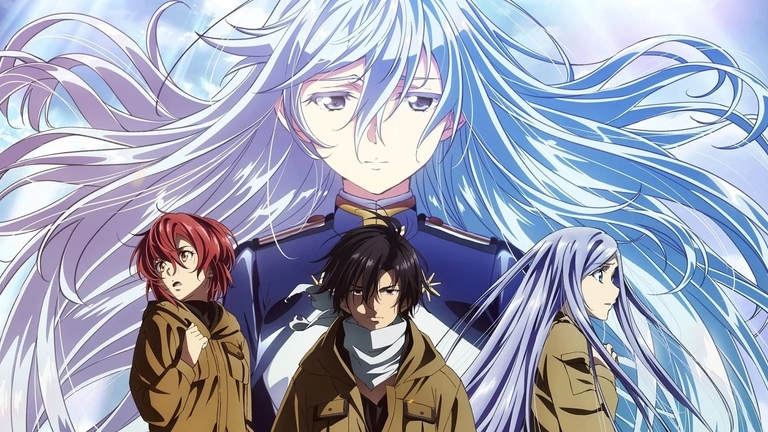
The Professional Line They Refuse to Cross
One thing the anime and light novels get right is the boundary. Even after they're together, even after Volume 9, they don't act like a couple on the battlefield. They maintain the superior-subordinate dynamic during operations because they're professionals and because mixing romance with combat decisions gets people killed. They saw that with other couples in the Strike Package. They know better than to let feelings cloud a tactical choice.
Off duty, though, they're clingy and sweet and terrible at hiding it. Grethe Wenzel, their commander, basically ships them openly and asks for reports on their relationship status like it's a military operation. Annette becomes Lena's relationship coach and threatens Shin when he hurts her friend. The contrast between their public professionalism and private vulnerability is what makes the ship feel earned and adult, not like some teenage fantasy where love conquers all immediately.
If you're looking for a romance that starts with fireworks and instant declarations, this isn't it. Why they fall for each other comes down to shared trauma and mutual understanding that builds over years. Lena and Shin relationship development is about two broken people learning to speak the same language after years of talking past each other. It's about Shin realizing that Lena isn't a perfect angel but a scared girl who needs him, and Lena realizing that Shin isn't a tragic hero but a boy who wants to live and be loved. The anime only covers up to their reunion, which is technically the end of Volume 3 with some epilogue stuff from later volumes thrown in. If you want to see the actual romance, you have to read the light novels or hope for a Season 3 that adapts Volumes 7 through 9. But even in the anime, you can see the seeds planted. You can see why they need each other. You can see that Shin doesn't smile until he hears her voice, and Lena doesn't sleep until she knows he's safe. That foundation is what makes Volume 9 so satisfying. It's not a twist or a surprise. It's the inevitable result of two people who refused to let each other die.