
Everyone wants to know why Great Teacher Onizuka anime ended after just 43 episodes and left so much manga content on the table. The series stopped dead in 2000 right after the Okinawa arc, giving viewers a rushed finale where Onizuka takes the fall for a student's crime then flees on his bike only to return months later for a rooftop reunion. I have watched this show more times than I care to admit, and the truth is not some dramatic cancellation or budget crisis. Studio Pierrot simply ran out of source material to adapt without overtaking Fujisawa's ongoing manga serialization, plus the 1998 live action drama had already saturated the market and told the story more accessibly for mainstream Japanese audiences. That left the anime in a weird spot where continuing meant either filler hell or waiting years, and in 2000 anime production schedules did not work like modern seasonal breaks.
The anime covers roughly the first thirteen volumes of Fujisawa's manga, ending with the Okinawa trip arc where Class 3-4 finally starts trusting Onizuka. After that, the manga kept going for years with 14 Days in Shonan and the controversial Paradise Lost sequel, not to mention the current GTO REVIVE reboot. Fans often ask why they never animated the rest, and the answer is frustratingly simple. By the time the anime aired in 1999, the 1998 live action series starring Takashi Sorimachi had already become the definitive version for casual viewers, ranking as the eighth most watched broadcast in the Kanto region that year. The anime became redundant for general audiences while hardcore manga readers preferred Fujisawa's original pacing anyway.
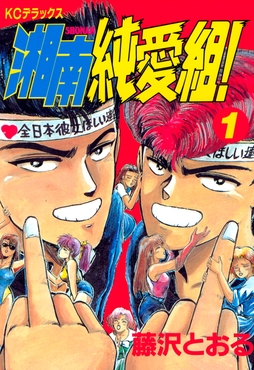
Why the Anime Stopped at Episode 43
The 43 episode count was not some sacred number chosen for artistic reasons. Studio Pierrot caught up to the manga's serialization point and faced a choice every long running anime dreads. They could either create filler arcs like Naruto or Bleach did, or they could wrap up with an original ending and call it a day. They chose the latter because the manga's release schedule was irregular and Fujisawa worked solo without assistants, meaning chapters came out slowly and unpredictably. Waiting would have meant years of dead air, and in the late 90s anime industry, shows lived or died by weekly broadcast slots that were impossible to reclaim once lost.
The anime original ending has Onizuka protecting his students by confessing to a crime he did not commit, then escaping on his motorcycle to avoid jail time. The final shots show him riding toward another school full of delinquents while Fuyutsuki waits on the roof months later. It is cheesy, it is open ended, and it pales in comparison to the manga's continued storytelling where Onizuka faces brain surgery, new classes, and deeper character development. But for 1999 television, it provided closure without requiring source material that did not exist yet. The anime staff invented this conclusion because Fujisawa had not finished writing the actual ending, and they needed to wrap production before the budget ran dry.
The Manga Content You Never Saw
If you only watched the anime, you missed roughly half of Onizuka's story. After the Okinawa arc, the manga continues with the 14 Days in Shonan storyline where Onizuka helps a different group of troubled teens at a seaside camp. Then comes Paradise Lost, which jumps forward years and puts Onizuka in a prison school setting with idols and actor children instead of the grounded delinquents of Class 3-4. Fans generally agree Paradise Lost is the weakest entry, feeling more like a desperate attempt to recapture lightning in a bottle rather than organic storytelling. The new students lack the depth of Miyabi, Urumi, and the original Class 3-4 crew, and Onizuka spends too much time acting like a Bosozoku thug instead of a teacher.
The manga also resolves lingering plot threads that the anime glossed over. You get the full backstory of why Class 3-4 hated teachers so much, involving their original teacher's suicide and the manipulative student Miyabi's tragic family situation. The anime hints at this but rushes through it in the final episodes, whereas the manga gives these moments the weight they deserve. There is also the small matter of Onizuka's brain aneurysm, a plot point introduced late in the anime but explored in depth later in the manga where it actually threatens his life and teaching career. The surgery arc and his recovery add layers of vulnerability that the anime never touches.

The Live Action Elephant in the Room
You cannot discuss why Great Teacher Onizuka anime ended without acknowledging the 1998 live action series. That show starred Takashi Sorimachi and aired for twelve episodes plus specials, becoming a cultural phenomenon that made Sorimachi a household name. It blended manga arcs efficiently, developed adult characters better than the anime, and featured iconic moments like the German suplex on Vice Principal Uchiyamada that became internet memes before internet memes were a thing. The 1998 drama changed key details. Onizuka lives with his former biker gang friends Saejima and Ryuji instead of camping at the school, and many of the anime's dangerous stunts were removed for practical safety reasons. But it worked. It captured the spirit of GTO for mainstream Japan in a way the anime's more cartoonish style could not.
When the anime launched a year later in 1999, it felt like an afterthought to general audiences who had already seen the definitive version. This split attention definitely contributed to the anime's shorter run. There was also a 2012 live action remake and the Shonan Junai Gumi live action covering Onizuka's high school days, but neither captured the magic of that original 1998 run. The 2012 version tried to modernize things but lost the gritty 90s aesthetic that made the original feel authentic. The 1998 drama's success essentially split the fanbase between those who wanted the cartoon violence of the anime and those who preferred the grounded realism of the drama, leaving the anime without enough momentum to justify a second season.
How GTOs Ending Became Its Own Thing
The anime ending frustrates purists because it invents a crime for Onizuka to take the fall for, creating drama that does not exist in the source material. In the manga, Onizuka never flees prosecution. He keeps teaching through various trials and eventually ends up at different schools. The anime's finale with the bike ride into the sunset was a visual metaphor for Onizuka's endless journey to help lost kids, but it also served as a convenient stopping point. Some fans prefer this ambiguity. It leaves Onizuka eternal, always moving to the next school, never settling down, forever the wandering teacher.
The manga's later attempts to age him and place him in specific timelines created problems. Paradise Lost features smartphones and PlayStation 4s in a story that should take place in the early 2000s, creating weird chronology issues that break immersion. The anime avoids this by keeping everything in that vague late 90s bubble where Onizuka rides a Zephyr 1100 and uses payphones. This timeless quality helps the original anime maintain its charm while the manga sequels feel increasingly disconnected from reality.
The Legacy Nobody Asked For But Everyone Needed
Despite its premature ending, Great Teacher Onizuka left a massive footprint on anime and manga. You can see its DNA in Assassination Classroom, where Koro-sensei fills the same role as an unconventional educator dealing with problem students who have trust issues. The difference is Koro-sensei has supernatural powers while Onizuka just has guts and a high pain tolerance. Gokusen borrowed the ex-delinquent teacher premise but swapped the gender and added yakuza family drama. Both owe their existence to Fujisawa proving that school stories could tackle real social issues like bullying, parental neglect, and suicide without becoming depressing message shows.
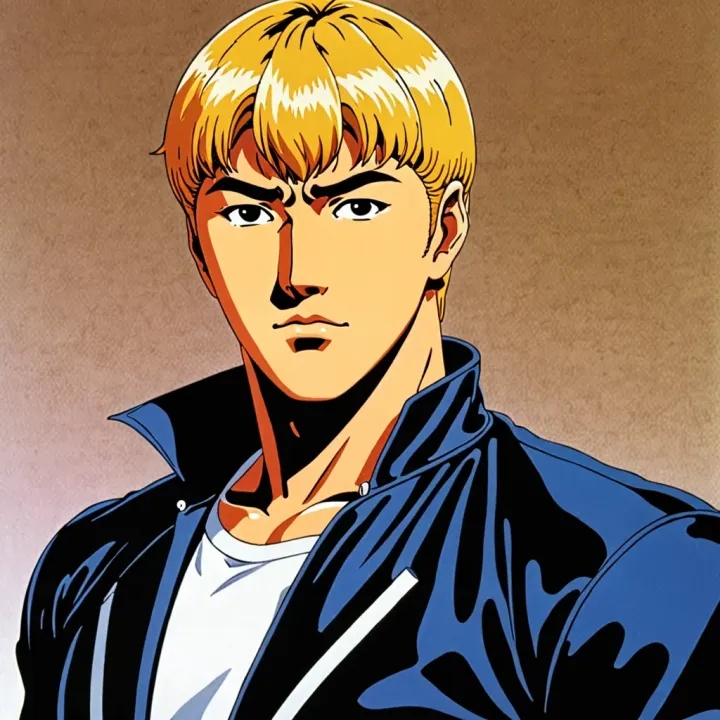
The series also pioneered the flawed hero teacher archetype. Onizuka is a pervert, a former gang member, and occasionally violent, but he cares more about his students than any bureaucrat with a teaching degree. This influenced countless later series to create teachers who break rules for the right reasons. The educational philosophy discussions spawned by GTO, about how real teaching happens outside textbooks and standard curriculums, still appear in forums today. People write academic papers about Onizuka's methods, which is weird considering he spends half the anime looking up girls' skirts and getting hit with baseball bats.
Why New Fans Sleep on This Classic
Here is the annoying part. Despite being one of the best comedy drama hybrids ever made, GTO gathers dust while lesser shows get constant reboots. The art style looks dated to kids used to modern digital animation. The 4:3 aspect ratio and film grain scream old school. The episodic problem of the week structure does not binge well compared to modern seasonal arcs. And yeah, some of the humor crosses lines that modern audiences find uncomfortable, like Onizuka's constant sexual harassment of Fuyutsuki and his students.
The cultural specificity also hurts it overseas. Jokes about Japanese school festivals, the strict seniority system, and Bosozoku bike gangs do not translate cleanly to American or European viewers who never experienced that subculture. Newer anime fans want isekai power fantasies or sleek action shows, not a guy in a cheap suit suplexing principals and teaching kids how to stand up to bullies using motorcycle maintenance metaphors. The pacing feels slow to people used to twelve episode seasons where things explode every five minutes.
But those who do find GTO tend to become evangelical about it. It is a gateway drug for people who think anime is just cartoons for kids or hyper violent nonsense. The live action adaptations help here, particularly the 1998 version, which grounds the absurdity in recognizable human drama. The anime remains a solid entry point for understanding late 90s Japanese youth culture, delinquent subcultures, and the specific brand of slapstick humor that defined that era.
The Future of the Franchise
Fujisawa is currently drawing GTO REVIVE, a new manga that brings Onizuka back to his roots. There is talk on Reddit about a potential Season 2 happening after this manga concludes, possibly preceded by a filler movie to gauge interest. This strategy would avoid the problems of the first anime by letting the source material finish completely before adaptation begins. Fujisawa works alone though, so expecting fast releases is foolish. He tweets updates sometimes, and fans hang on every page.
The franchise could also use a full reboot rather than a continuation. Modern animation techniques could fix the pacing issues, and a faithful adaptation of the entire manga including 14 Days in Shonan would give fans the complete story they never got. But anime studios prefer safe bets, and GTO is now a cult property rather than a mainstream cash cow. The best we can probably hope for is an OVA or limited series covering specific arcs if the REVIVE manga generates enough buzz.
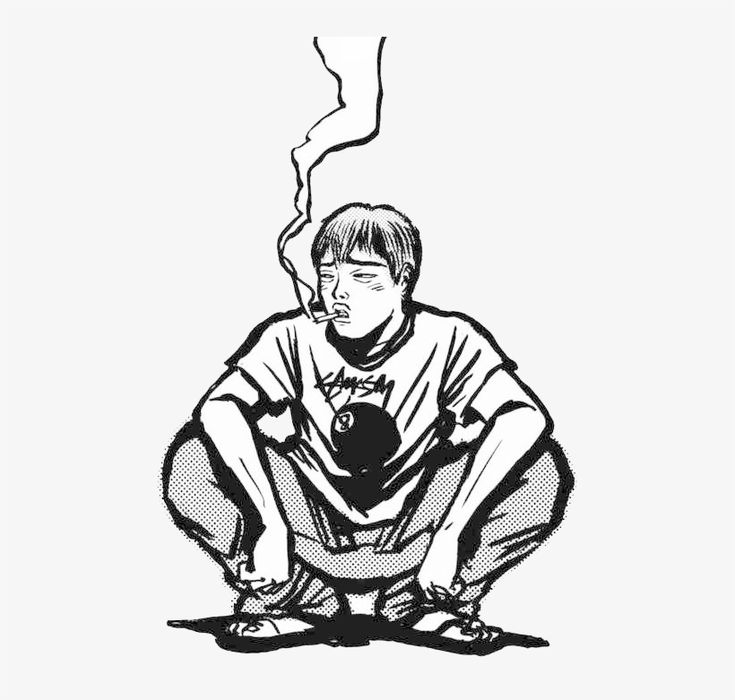
Great Teacher Onizuka anime ended because of timing, source material limitations, and competition from its own live action success. It left behind a blueprint for how to write adult characters in shonen packaging, a proof that teachers can be protagonists without being boring authority figures, and a cult following that keeps the forums active decades later. Whether we get that Season 2 or not, Onizuka's bike keeps running in the minds of everyone who ever needed a teacher who gave a damn.