
Usagi drop anime ending explained is dead simple. The show stops at the elementary school entrance ceremony and you should pretend that's where the story ends. Everything after that in the source material is a different beast entirely, one that takes a wholesome father-daughter slice of life and twists it into something that makes your skin crawl. If you watched the anime and felt warm inside, good. Keep that feeling. Don't go looking for the rest of the story because it doesn't exist in any reality worth acknowledging.
The anime adapted exactly four volumes of the manga. That's it. Eleven episodes covering Daikichi Kawachi taking in six-year-old Rin, the illegitimate daughter of his late grandfather, and figuring out how to be a single dad. It's beautiful stuff. You watch this thirty-year-old bachelor sacrifice his career and social life to raise a kid nobody else wanted. You see Rin blossom from a withdrawn weirdo into a happy kid. The ending hits you right in the chest with Daikichi holding her hand as she walks into elementary school, both of them grinning like idiots. That's the payoff. That's the story. The manga had other plans.
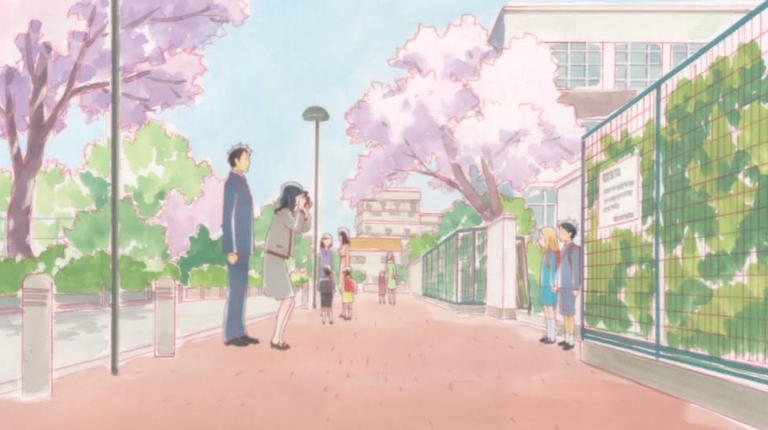
The Anime Stopped at Volume Four for Good Reason
Production I.G released this thing in 2011 and they adapted the first four volumes out of ten total. People always ask why they stopped there. The director Kanta Kamei admitted later that he had mixed feelings about where the manga went. He said it was great that Daikichi and Rin could live happily together but he felt weird about the romantic direction. The anime was made while the manga was still running so they had to stop somewhere, but trust me, they stopped at the exact right moment. If they had kept going, they'd have had to cover the ten-year time skip where Rin becomes a high schooler and decides she's in love with the guy who raised her.
The anime works because it's about parenthood without blood ties. Daikichi isn't Rin's dad biologically or legally at that point, but he acts like her father. He changes her diapers and deals with her tantrums and goes to parent-teacher conferences. The show builds this beautiful dynamic where family is something you choose, not something you're born into. Rin starts calling him Daikichi instead of Dad, which feels right because he's more like a really dedicated guardian, but the father-daughter vibe is undeniable. You see it in how he brushes her teeth when she's little or carries her on his shoulders when she's tired. These moments hit hard because they're earned.
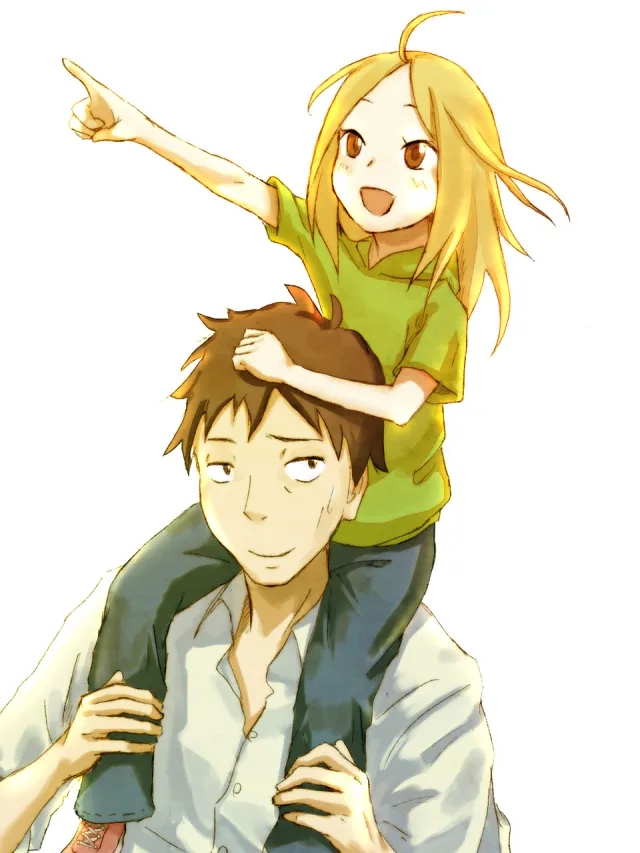
The pacing is perfect for what it is. You get Daikichi struggling at work, trying to find daycare, dealing with his family judging him. You get Rin making friends with Kouki, the neighbor kid, and Daikichi bonding with Kouki's mom Yukari. There's this implied romantic tension between Daikichi and Yukari that feels natural. Two single parents leaning on each other. That subplot goes nowhere in the anime but it doesn't need to. The focus stays on the kid growing up and the guy learning to be less selfish. Stopping at the elementary school ceremony is poetic. Rin loses her baby teeth, she enters school, and the story ends. Childhood preserved. Parental bond sealed. Roll credits.
What the Manga Did After the Time Skip
Volumes five through ten jump ahead ten years. Rin is now sixteen and in high school. Daikichi is in his forties. This is where the infamous ending happens that everyone hates. Rin has never dated anyone. She realizes she doesn't like boys her age. She likes Daikichi. The guy who raised her. The guy who was essentially her father figure from age six.
She confesses her love to him. Daikichi freaks out initially and says he only sees her as a daughter. Rin insists she never saw him as a father. She says she always liked him as a man. Then comes the twist that makes everything worse. It's revealed that Rin wasn't actually Souichi's biological daughter. Masako, Rin's mom, had her with some other guy and Souichi adopted her. So Rin and Daikichi aren't blood related at all. The manga treats this like a green light. See? It's not technically incest so it's fine. Except it's not fine. Not even close.

Daikichi eventually caves. He tells her if she still feels this way after graduating high school, they'll get together. She does. They do. The manga ends with them basically married. Daikichi calls her his bride. They're blushing at each other. It's presented as this happy resolution. Readers were disgusted. The story spent four volumes establishing that family is about love and care, not blood, then turned around and said actually since they're not blood related, they can bang. It completely negates the entire thematic point of the first half.
The Biological Relation Twist Changes Nothing
People defend this ending by saying but they're not related. So what? Daikichi raised her. He was her primary caregiver from age six through sixteen. That's formative. That's childhood. He was in a parental role whether he wanted to be or not. The biological revelation doesn't erase ten years of guardianship. It doesn't erase the power imbalance between a forty-year-old man and a teenager he raised.
The manga tries to handwave this by having Rin say she never saw him as a dad. She saw him as a man from the start. That's creepy. That's groomer logic. Even if the author didn't intend it that way, that's how it reads. A child decides at age six that she's going to marry her guardian someday, then spends her whole childhood in his house waiting to be old enough to date him. That's not romantic. That's disturbing.
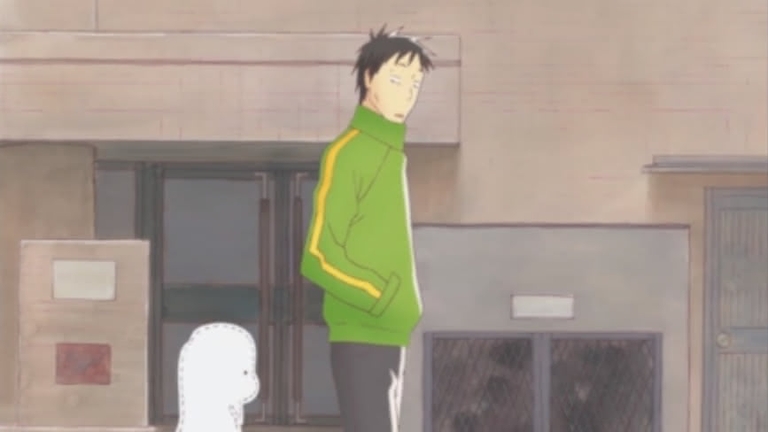
The age gap isn't even the main issue. Twenty-four years is a lot but whatever, adults can do what they want. The issue is the relationship dynamic. He had authority over her. He provided for her. She was dependent on him. Then she hits sixteen, the age of consent in some parts of Japan, and suddenly they're equals? No. That's not how power dynamics work. The manga ignores this completely. It wants you to think it's a beautiful love story about a girl choosing the man who made her happy. It's not. It's a story about a guy who raised a kid and then married her.
How This Betrayed the Core Theme
The first half of Usagi Drop is about found family. Daikichi chooses to be Rin's father even though he doesn't have to. Rin chooses to stay with him even though she could go to her biological mom. The message is clear. Family is built on sacrifice and love, not genetics. Then the ending says actually genetics matter a lot because if they were related, this would be wrong, but since they're not, it's romantic.
One analysis put it perfectly. The ending implies Rin is just some adopted throwaway girl who isn't really family so it's okay to sexualize the relationship. It undoes everything. The scenes where Daikichi brushes her teeth or carries her on his shoulders get retroactively tainted. You can't watch the anime the same way knowing where the manga goes. The innocence is gone because the author decided to make it weird.
The manga was running in a josei magazine targeting adult women. Josei often features age gap romances. That's fine. But you don't start a story as a parenting slice of life, get everyone emotionally invested in the father-daughter bond, then pivot to romance. That's bait and switch. The readers who loved the parenting aspect felt betrayed. The readers who wanted romance got a creepy power imbalance story. Nobody won.
The Director Saw It Coming
Kanta Kamei directed the anime. In interviews he admitted he felt weird about the manga's direction. He said he was proud of the anime but had mixed feelings about the ending the author chose. The anime production team made a conscious decision to only adapt the first four volumes. Some people say this was because the manga wasn't finished yet, which is true, but I think they saw the writing on the wall. They knew where it was headed and they didn't want to animate that.
The anime stands alone as a complete story. It doesn't need a sequel. It doesn't need the time skip. The eleven episodes tell a perfect arc about a guy learning to be selfless and a kid finding a home. The fact that the anime exists separately from the manga is a blessing. It allows us to have a version of the story that doesn't end with statutory undertones.
Cultural Context Versus Western Reaction
Some fans argue that Western audiences are just prudes who don't understand Japanese storytelling. They say josei manga often features these age gaps and that Usagi Drop was always meant to be a romance. The author Yumi Unita supposedly planned this ending from the beginning. There are little hints in the early chapters like Rin saying she likes Daikichi as he is rather than as a father.
Even if that's true, it's bad writing. You don't spend forty percent of your story establishing one genre and then switch to another. The audience that picked up Usagi Drop in 2005 was reading a parenting manga. The magazine marketed it that way. The anime marketed it that way. Then the final six volumes turned it into something else entirely.
Japanese fans hated it too. This isn't a Western versus Eastern thing. Look at any Japanese forum from 2011 when the manga ended. The backlash was huge. The ending is infamous in both markets. It's considered one of the worst endings in manga history because it ruined a masterpiece. The cultural context doesn't make it less creepy. It makes it slightly more understandable as a trope, but tropes can still be bad.
The Wasted Potential of Side Characters
While the manga was busy destroying its main relationship, it also wasted every good side character. Kouki, Rin's childhood friend, had a crush on her. He was her age. He understood her. The manga sets him up as a potential love interest then discards him because Rin is obsessed with Daikichi. Yukari, Kouki's mom, had chemistry with Daikichi. They were both single parents dealing with the same struggles. The manga has Daikichi propose to her at one point but she rejects him because she's worried about how Rin would feel. Then he ends up with Rin anyway. What's the point?
Masako, Rin's biological mom, gets a backstory about being a manga artist who chose her career over her kid. That's interesting. That's a real conflict. But the manga uses her just to deliver the info dump about Rin not being related to Souichi. Then she's gone. All these rich potential stories about blended families and modern parenting get tossed aside so a teenager can marry her dad.
Watch Sweetness and Lightning Instead
If you want a story about a single dad raising a little girl that doesn't end in disaster, watch Sweetness and Lightning. It came out a few years after Usagi Drop and learned from its mistakes. Kōhei is a high school teacher raising his daughter Tsumugi after his wife dies. He meets one of his students, Kotori, who helps him learn to cook. The dynamic stays wholesome. Tsumugi stays a kid. There's no time skip where she falls for her dad or her teacher. It's just good food and good parenting.
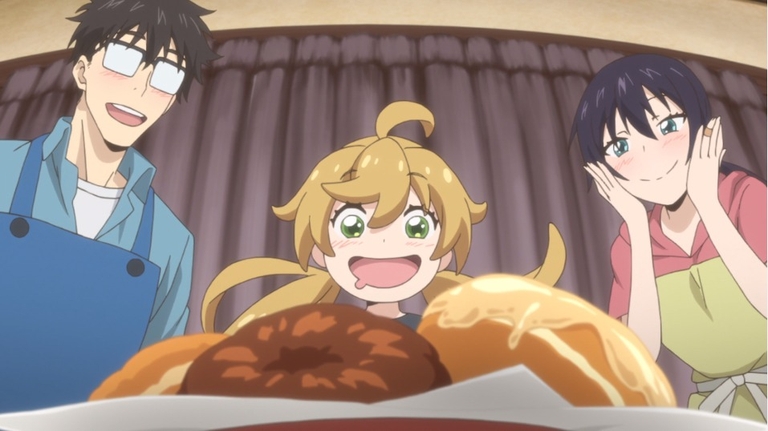
The show understands that watching a parent and child bond over small things like cooking or losing teeth is enough. You don't need to sexualize it later. You don't need to add romantic drama to make it mature. Usagi Drop the anime understood this too. That's why it stopped where it did. Sweetness and Lightning proves you can have a complete story about single fatherhood without the gross ending.
Why the Anime Ending Is the Only Real Ending
Usagi drop anime ending explained doesn't require reading the manga. In fact, it requires the opposite. The anime ends with Daikichi and Rin walking to school together, ready for the next chapter of their lives as father and daughter. That's it. No romance. No time skip. No biological revelations that change their relationship. Just a man and his daughter facing the future together.
The manga ending attempts to justify itself by saying they aren't related so it's not incest, but that misses the point entirely. Family isn't about blood. Daikichi was her father in every way that matters. Changing their relationship to a romantic one isn't a happy ending. It's a betrayal of the trust built over ten years. The anime protects that trust by ending before the betrayal happens.
If you haven't watched Usagi Drop, watch it. It's eleven episodes of pure comfort. Laugh at Daikichi struggling with pigtails. Cry when Rin calls him family. Then stop. Don't look up what happens next. Don't read the wiki. Don't touch the manga. Let the anime be a complete story in your mind because that's exactly what it is. The manga is an alternate universe where everyone makes the worst possible decisions. The anime is the real deal.
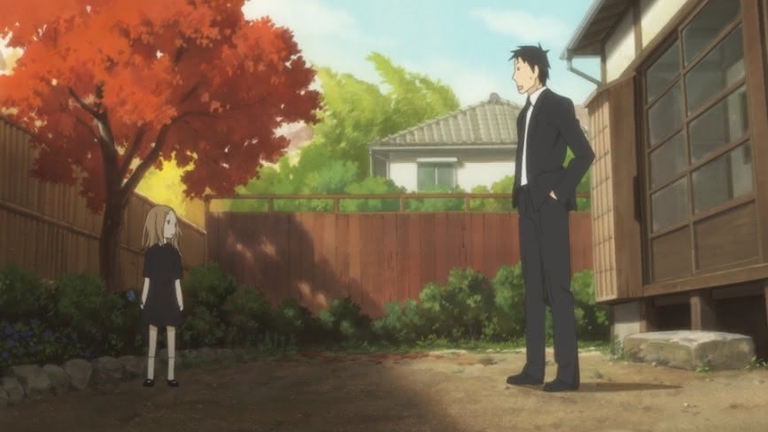
Some stories don't need to continue forever. Some stories should stop when the kid is still innocent and the parent is still just a parent. Usagi Drop should have been one of those stories. The anime understood this. The manga didn't. That's why usagi drop anime ending explained is so simple. It ends with a tooth falling out and a hand being held. Everything else is noise.