
Uramichi Oniisan anime analysis usually misses the point by calling it just another comedy. This show isn't funny in the way people expect. It's a raw nerve exposed to air, a 31-year-old former gymnast named Uramichi Omota smiling for kids while dying inside on national television. The series takes the dark slice of life label and cranks it up until you can't tell if you're supposed to laugh or check yourself into therapy.
Most anime about work either glamorize it or turn it into cute girls doing cute things. Uramichi Oniisan doesn't do either. It shows up with bags under its eyes, a nicotine addiction, and a forced grin that looks more like a threat than happiness. The protagonist hosts a children's exercise program called "Together with Maman" and spends every episode teaching kids about the harsh truths of existence while producers panic in the background. If you've ever had to pretend you care about a job that pays you just enough to keep you from quitting, you already know exactly what this show is doing.
The genius isn't in the setup. Kids shows hosted by depressed adults have been done before. What makes this hit different is how it refuses to let anyone off the hook. The camera doesn't cut away when Uramichi starts explaining to a five-year-old why dreams die after college. It stays right there on his face, half smiling, half screaming into the void, and that's where the real work happens.
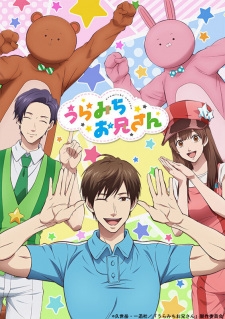
Everyone Wears a Mask but Uramichi's is Cracked
Uramichi isn't special. That's the scary part. Every adult on "Together with Maman" wakes up, puts on a costume, and performs joy for an audience that still believes in Santa Claus. Uramichi just happens to be worse at hiding the cracks. The show's whole trick is showing you the moment the mask slips, when the guy in the bear suit stops dancing and starts complaining about his rent, or when the pretty singer drops the high-pitched voice to talk about her failing relationship.
This isn't subtle symbolism. It's a sledgehammer to the face of anyone who's ever said "I'm fine" while their bank account laughs at them. The anime gets that adult life is mostly performance art. You play the role of functional person until you either believe it or break, and Uramichi is in the breaking phase. He lifts weights until he can't feel his arms because it's cheaper than therapy and smokes enough to ruin his lungs because he needs something to do between filming takes that isn't staring at the wall thinking about his failed Olympic dreams.
The children on the show act as the perfect foils because they don't have filters yet. They ask Uramichi why he's sweating or why he looks sad and he answers honestly, telling them that grown-ups are tired and that working is hard and that sometimes you don't get what you want even if you're good at gymnastics. The producers try to cut these parts but the damage is done, both to the fictional TV show's ratings and to the viewer's sense of security about their own coping mechanisms. The show gets that working in children's television specifically grinds you down with tiny budgets and schedules that make no sense.
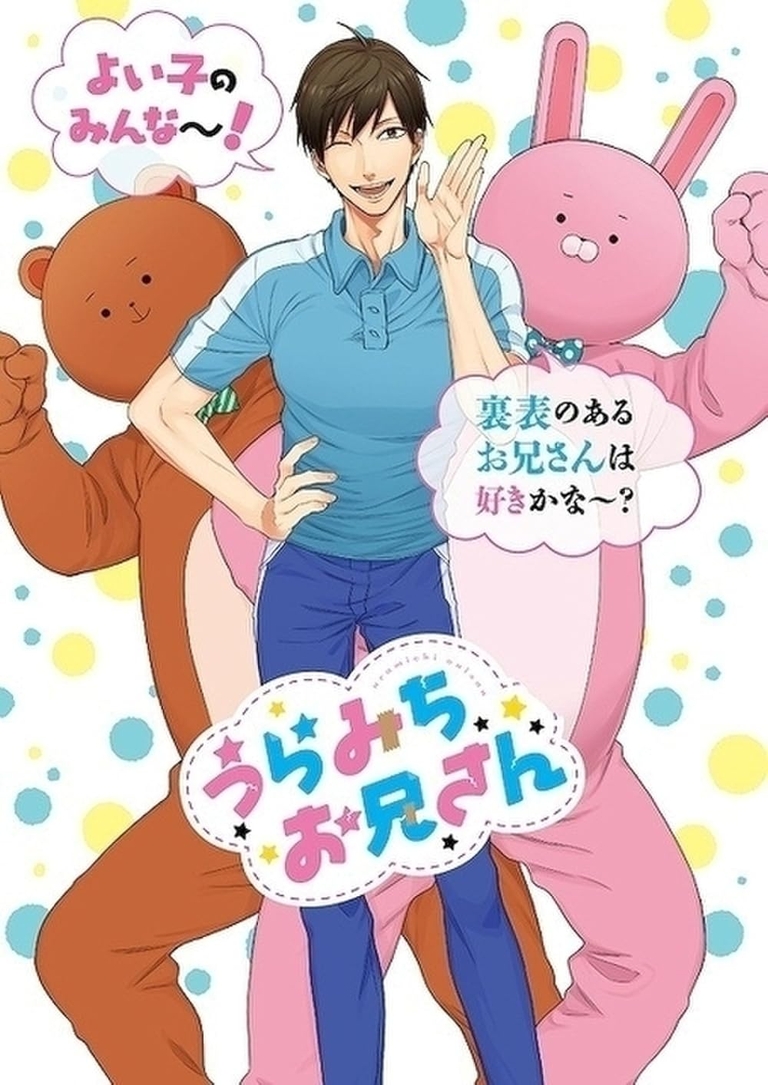
Uramichi Oniisan Anime Analysis of the Core Cast
You can't talk about this show without dissecting the disaster crew Uramichi works with. Tobikichi Usahara plays the rabbit mascot Usao and he's basically a walking anxiety attack in a fuzzy suit. He went to college with Uramichi and Mitsuo Kumatani, who plays the bear Kumao, and all three of them peaked in their early twenties. Now they're pushing thirty and wearing animal costumes for paychecks that barely cover their tiny apartments. According to one review, the manga captures the exact feeling of working in TV post-production where you dress in silly costumes for gags and thanklessly grind out content.
Then there's Iketeru Daga, whose name literally means "but I'm handsome," and he is, but he's also dumber than a box of rocks. He's 27, laughs at the word "penis" like he's five, and can't read an analog clock. Mamoru Miyano plays him with this manic energy that makes you uncomfortable because you know guys like this who failed upward into TV gigs just because they have good cheekbones. Utano Tadano is the singer, 32 years old, former idol, currently dating a guy for six years who won't propose, and she channels all that frustration into songs about exercise that sound upbeat but have lyrics about economic anxiety.
The supporting cast is just as broken. The director Tekito Derekida, whose name suggests he does things carelessly, lives up to it. The choreographer Capellini has pasta for hair and that's the least weird thing about him. These aren't characters designed to be quirky. They're people you see on the train at 7 AM looking like they want to die, except here they're wearing bright colors and teaching kids to do jumping jacks. There's also Hanbei Kikaku, the merchandising guy, who has breakdowns that look like they're drawn in horror manga style because the stress of selling plushies is literally destroying his sanity.

The Jokes Hit Like a Diagnosis
The humor in Uramichi Oniisan doesn't land like normal comedy. It lands like a medical diagnosis you weren't expecting. The show uses a specific rhythm where something cute happens, something wholesome is said, and then Uramichi twists it into a comment about how marriage is a trap or how exercise won't fix your empty life. The kids on the show, who are actual children and not just small adults, react with confusion that feels too real. They stare at him when he talks about drinking alone and you can't tell if they understand or if they're just waiting for the next song.
This structure repeats every episode and some people call it repetitive. Those people missed the point entirely. Adult life is repetitive. You don't get a new existential crisis every week, you get the same one wearing different shoes. The show mirrors that by having Uramichi complain about his back pain in episode one and episode thirteen with the same level of venom. The writers aren't being lazy, they're showing you that time doesn't heal wounds, it just makes you used to the bleeding.
The fourth wall breaks hit harder than they should. Uramichi looks right into the camera sometimes and tells the audience, the real audience watching at home, that it's okay to feel dead inside. He says the quiet part loud and that's the hook. You're not watching a story about a guy getting better. You're watching a guy admit he's not okay and keep working anyway. One IMDB reviewer put it perfectly when they said it's like watching "The Joker run a children's television show" but with less violence and more cigarette breaks.
Why the Cheap Animation Works
Studio Blanc didn't have a massive budget for this thing and you can tell. The animation is simple, the backgrounds are basic, and the character designs look like they came from a webcomic circa 2010. But that works in its favor better than any polished production could. If this looked too shiny or expensive, it would betray the whole message. The cheapness of the production mirrors the cheapness of Uramichi's life. Everything looks slightly faded, like the color saturation got turned down by sadness.
The voice acting carries all the weight. Hiroshi Kamiya plays Uramichi with this exhausted rasp that sounds like he's been smoking three packs a day even when he's singing the opening theme. Tomokazu Sugita and Yuuichi Nakamura as the rabbit and bear have this chemistry that feels like actual old friends who resent each other but have nowhere else to go. When they bicker about their college days while sweating in mascot costumes, you believe every word because you've had those friendships, the ones held together by shared trauma and the fact that neither of you can afford to move to a different city.
The music is a trap. The opening song "ABC Taiso" sounds like pure sugar, something you'd hear in a kindergarten class, but listen to the lyrics and it's about the alphabet of failure. Nana Mizuki and Mamoru Miyano sell it so hard that you almost forget you're listening to a song about adult disappointment set to a beat that makes kids dance. TV Tropes notes that the opening hides the backstage dramedy perfectly, which is exactly what the characters are doing too.
The Holiday Episodes Are Cruel
Some people online have called this show horror and they're not entirely wrong. There's a theory that Uramichi isn't just depressed, he's in some kind of purgatory. The final episode especially leans into this interpretation where things get weird and surreal in a way that doesn't match the rest of the season. Whether you read it as literal hell or metaphorical hell doesn't matter because the result is the same. This is a show about people who peaked early and are now walking through the motions until retirement or death, whichever comes first.
The holiday episodes are particularly cruel and that's why CBR called it the ultimate anti-holiday watch. While other anime are doing Christmas specials with snow and romance, Uramichi Oniisan shows you what the holidays actually are for working adults. Uramichi films Christmas content in the middle of July, sweating under lights while pretending it's winter, because TV production schedules don't care about your feelings. He spends New Year's alone drinking cheap sake and thinking about how another year passed without anything changing. If you've ever worked retail during December, you know this feeling. It's the death of joy by a thousand customer service interactions.
The show validates that exhaustion instead of trying to fix it. Uramichi doesn't get a Christmas miracle. He doesn't learn the true meaning of the season. He just gets through it, one forced smile at a time, and that's more realistic than any holiday special about Santa being real.
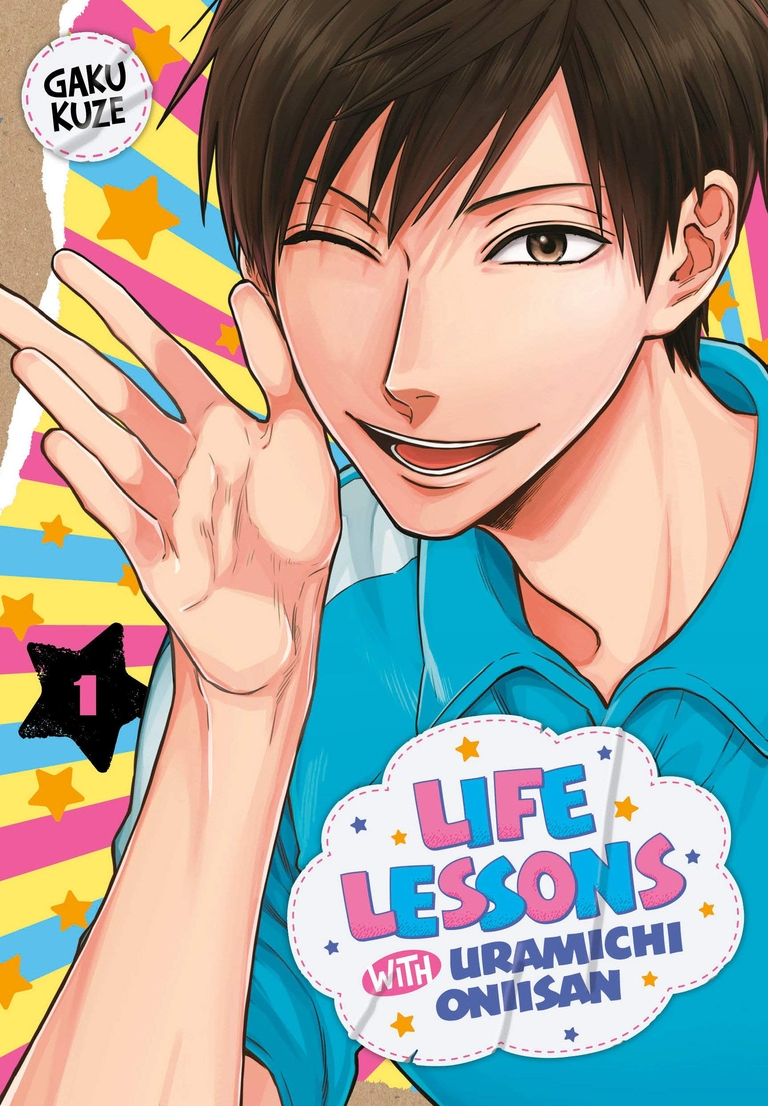
The Specific Episodes That Hurt the Most
There's an episode where Uramichi stands on the roof of the studio and a child asks if he's going to jump. He says maybe, and the kid just says okay and walks away. That's the whole joke. It's not funny, it's terrifying, and that's the point. The show doesn't use suicide as a punchline exactly, more like a weather report. It's just there, part of the atmosphere, something Uramichi thinks about the way other people think about lunch.
The business trip arc hits different because it shows these characters outside the studio and they're just as broken in hotels. They drink too much, they complain about the towels, and they realize that changing location doesn't change the fact that they're stuck in lives they don't want. Uramichi runs into an old gymnastics rival who has a real career and the look on his face, that specific brand of envy mixed with resignation, is something that doesn't leave you after you finish the episode.
There's also the running gag about Uramichi's apartment. We never see the whole thing but we know it's small, we know he has a pet hamster he talks to, and we know he drinks cheap beer alone while watching TV. The hamster is important because it's the only relationship in his life that doesn't require him to perform. The hamster doesn't care if he's the gymnastics guy from TV. The hamster just wants food and water, which is more than Uramichi gets from his employers.
Real Life Parallels and Okaasan to Issho
The show is a direct parody of "Okaasan to Issho," a real NHK educational program that's been running since the 60s. That show features gymnastic segments with hosts who are way too cheerful and animal mascots who dance around. Uramichi Oniisan asks what happens to those hosts when the cameras stop rolling. The answer is apparently that they smoke, drink, and contemplate the void.
One reviewer who works in children's TV confirmed that the outlandish scenarios are surprisingly accurate. They film Christmas content in spring or summer because of lead times. The budgets for props are tiny and often the staff are the ones wearing the mascot costumes because they can't afford actors. The directors really are that checked out and the feedback really is that irrelevant. When Uramichi is forced to do a segment about vegetables while hungover and the director just keeps saying "more energy," that's not an exaggeration. That's Tuesday.
The accuracy makes it hurt more. If this was pure fantasy, you could dismiss it. But knowing that real children's TV hosts might feel this way, that the guy teaching your kid to do jumping jacks might be one bad day away from driving into a river, adds a layer of guilt to the comedy. You're laughing but you're also complicit in the exploitation of these characters' labor.
This Ain't For Everyone and That's Fine
If you're already in a dark place, maybe skip this one. It doesn't pull punches and it doesn't end with Uramichi getting a better job or finding true love. He ends the season exactly where he started, on that terrible soundstage, smiling for kids who don't know any better. One reviewer mentioned that it's a must-watch but also warned that it's basically depression distilled into animation.
The comparison to Welcome to the NHK comes up a lot because both deal with the feeling of being left behind by society, but Uramichi Oniisan is angrier. Satou from NHK is a hikikomori who can't leave his house. Uramichi leaves his house every day, puts on a polo shirt, and actively participates in the system that's killing him. That's somehow scarier. At least Satou admits he's given up. Uramichi hasn't given up, he's just realized that trying doesn't matter.
The show got decent ratings but it never blew up like it should have. Maybe because it's too real. People want isekai power fantasies or high school romance where the biggest problem is which girl to date. They don't want a 31-year-old man explaining that exercise won't cure his depression while a rabbit mascot cries in the background. But that's exactly why it matters. Uramichi Oniisan is a scream into the darkness that occasionally sounds like a children's song, and in a medium full of escape routes, it's valuable to find something that just admits we're all faking it.
Uramichi Oniisan anime analysis always comes back to the same truth. This show hates adulthood but loves the people trapped in it. It doesn't offer solutions because there aren't any. You're not going to watch this and learn how to fix your life. You're going to watch it and feel seen, maybe for the first time, by a piece of media that admits the emperor has no clothes and also the emperor has chronic back pain and a drinking problem.
If you're stable enough to laugh at the void, this is one of the most honest shows out there. It's a mirror held up to working society and the reflection is ugly as sin but it's real. The fact that it got made at all, that someone looked at the anime industry and said "let's make a show about a guy who peaked at 25 and now hates every morning," is a miracle. Watch it once. Don't binge it, that's too much. Watch it one episode at a time when you need to know that someone else understands why you flinch when your alarm goes off.