
People keep calling The Strongest Sage with the Weakest Crest an isekai and it drives me up the wall. Not because it is one, but because it technically isn't, yet everyone treats it like the poster child for truck-kun victims and harem bait protagonists. If you are wondering is the strongest sage with the weakest crest isekai, the answer sits in this annoying gray area where marketing says yes but the actual plot mechanics say no.
Here is the thing. Mathias Hildesheimer doesn't get hit by a truck. He doesn't open his eyes to a fantasy RPG interface floating in front of his face. He doesn't discover he is the chosen hero summoned from Japan to defeat a demon lord. Instead, he is already the strongest sage in the world, realizes his magical crest limits his growth, and decides to reincarnate thousands of years into the future of his own world. Same planet. Same continent. Just way later. That is not isekai. That is just really committed time travel with extra steps.
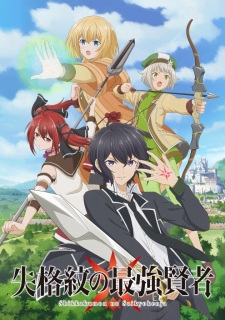
But try telling that to Crunchyroll's categorization algorithms or the various anime databases that slap the isekai tag on it without thinking. The show has all the surface level markers. Overpowered protagonist who knows everything? Check. RPG style leveling and monster drops? Check. Magic academy where he teaches incompetent nobles? Check. It walks like a duck and quacks like a duck, but genetically it is a chicken that just really wants to hang out with ducks.
Why It Looks Like Isekai
The confusion makes sense if you squint. Mathias wakes up in a body that isn't his original, retains all his memories from his past life as Gaius, and discovers the world has gone to hell in a handbasket. Magic theory has regressed. The crest system got flipped upside down. Demons infiltrated human society and convinced everyone that the worst combat crest is actually the best one. He arrives with knowledge nobody else has, powers that seem broken by current standards, and proceeds to collect a party of cute girls who admire his strength.
That is the isekai playbook right there. The Wikipedia entry notes the full Japanese title includes the word tensei, which means reincarnation, not isekai which means different world. But western audiences and streaming sites conflate the two because they hit the same dopamine receptors. You get the wish fulfillment of being smarter than everyone, the satisfaction of correcting idiot nobles who think they know magic, and the comfort of having a dragon girl sidekick who thinks eating black ink is peak comedy.
The RPG mechanics seal the deal for most viewers. Mathias gains power by killing monsters and absorbing their energy. He crafts weapons using materials that drop from creatures. He has stats and levels even if they are not always visible on screen. This gamification of reality is a hallmark of modern isekai, inherited from series like Sword Art Online and Overlord. When you see someone farming slimes and getting stronger, your brain files it under isekai whether the protagonist originated from Tokyo or not.
The Technical Definition Problem
Purists will tell you isekai requires transportation to another world, usually from modern Japan to a fantasy setting. Reincarnation within the same world doesn't count. If it did, every story about a hero reborn as a baby would be isekai, and that waters down the definition until it becomes meaningless. The genre exists specifically to explore fish out of water scenarios, cultural clashes between modern sensibilities and fantasy medieval norms, and the disconnect between game knowledge and real world pain.
Mathias has none of that disconnect. He knows exactly how this world works because he never left it. He understands the geography, the history, and the magic system better than anyone alive because he literally invented half of it in his previous life. There is no scene where he misunderstands local customs or brings modern technology to impress peasants. He is not a Japanese salaryman adapting to sword fighting. He is a sage adapting to his own world's decline, which is a completely different type of story.
Some analyses still categorize it as isekai because the spirit of the genre matters more than the letter of the law. The show appeals to the exact same audience that watches Mushoku Tensei or That Time I Got Reincarnated as a Slime. It shares the power fantasy structure, the harem elements, and the demon lord antagonists. From a marketing perspective, calling it isekai puts it in front of the right eyeballs. From a technical perspective, it is about as isekai as Terminator 2.
The Crest System and Power Scaling
To understand why the isekai label sticks so hard, you need to look at the crest mechanics. In Mathias's original time, the Fourth Crest (Shikkakumon) was considered the ultimate combat class. It fired fast, hit hard at close range, and let you use magic without chanting. The First Crest was for crafters and support. But over thousands of years, demons manipulated human society. They spread misinformation about magic theory, promoted inefficient chanting methods, and flipped the reputation of the crests. By the time Mathias reincarnates, the First Crest gets called the Crest of Glory while his Fourth Crest gets labeled the Crest of Failure.
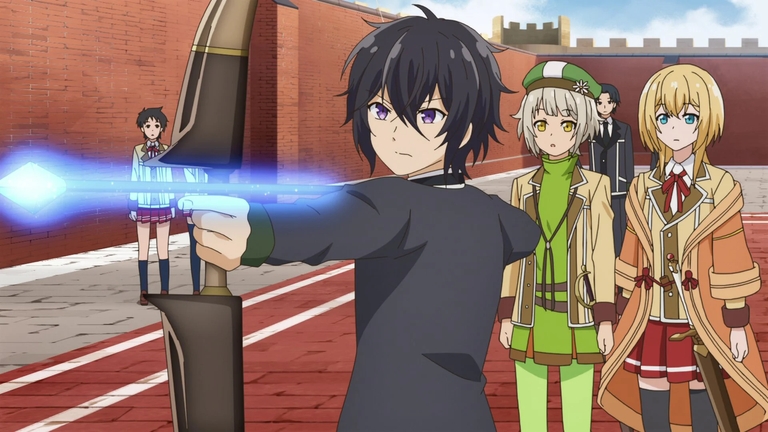
This setup creates the classic isekai dynamic where the protagonist has a seemingly weak ability that is actually broken. Everyone underestimates him. Snobby nobles look down on his crest until he one-shots a calamity class monster that was supposed to destroy a city. The academy arc where he enrolls to teach the Second Royal Academy students while clashing with the corrupt First Academy hits all the same beats as Arifureta or The Misfit of Demon King Academy.
The difference is the context. In a true isekai, the protagonist brings outside knowledge to exploit the system. Mathias brings inside knowledge from the past. He is not using physics formulas to invent new magic or modern agriculture to revolutionize farming. He is using ancient techniques that got lost because demons burned the libraries. That is a post-apocalyptic restoration story wearing isekai's clothes.
Why Fans Get Defensive About the Label
You see heated arguments about this on forums and review sites because genre definitions matter to people who consume dozens of these shows per season. When you have watched fifty actual isekai shows, you start to appreciate the ones that break the mold. The Strongest Sage with the Weakest Crest breaks the mold by accident while trying to fit in, which creates this weird dissonance.
Some viewers feel misled when they go in expecting a transported protagonist and get a reborn one instead. Others appreciate that it skips the boring adaptation phase where the hero learns basic magic. Mathias already knows everything, so the show jumps straight to curb stomping demons and correcting magical theory. It moves fast, sometimes too fast, cramming multiple manga chapters into single episodes according to TV Tropes.
The reviews on Anime Planet show this split clearly. Some people love the power fantasy and don't care about the technicalities. Others drop it after three episodes because it feels like a generic isekai with nothing new to say. The truth is it is not generic isekai. It is a generic fantasy power fantasy that got marketed as isekai because that is where the money is right now.
Comparing to Other Borderline Cases
This is not the only show that sits on the fence. Mushoku Tensei is technically isekai because the protagonist dies in modern Japan and reincarnates in a fantasy world. But he grows up from infancy with no way back, making it feel more like a second life story than a dimensional traveler saga. So I am a Spider, So What? plays with the definition by having the protagonist reincarnate as a monster in the same world she died in, just way underground.
The Strongest Sage with the Weakest Crest is more like Ascendance of a Bookworm in terms of structure. Both protagonists retain memories of their past lives, both work to restore lost knowledge in a degraded society, and both technically never leave their original world. But Bookworm never gets called isekai while Sage does, probably because Bookworm focuses on economics and inventions while Sage focuses on shooting fireballs at demons.
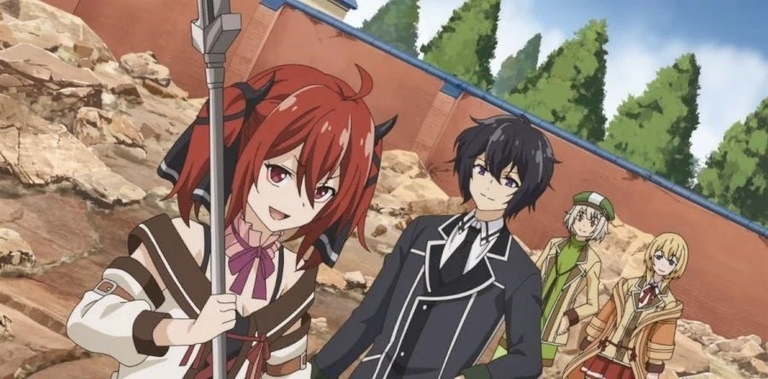
The line gets blurrier when you consider that the original web novel was published on Shousetsuka ni Narou, the same website that spawned most modern isekai hits. The audience reading it was the isekai crowd. The tropes it uses were developed by isekai authors. Even if the premise is different, the DNA is pure isekai.
Does the Distinction Matter
Honestly? For most viewers, no. If you like watching overpowered protagonists embarrass arrogant nobles while collecting a harem of girls who blush when he teaches them magic, this show delivers regardless of what box it checks. The animation by J.C. Staff is serviceable, the fights are easy to follow, and Iris the dragon provides solid comic relief when she is not being used as bait for demons.
But if you are tired of the isekai glut and looking for something different, knowing that this is technically a time travel restoration story might help you give it a chance. It skips the usual adaptation period. There is no tutorial phase. Mathias hits the ground running and never stops, which creates its own problems like zero character growth and no tension since he solves every problem instantly.
The show has issues. The pacing rushes through plot points that needed more breathing room. The villains are generic demon lackeys with no personality beyond smirking and boasting. The romantic subplot between Mathias and Lurie goes nowhere and exists mostly for blushing gags. But these are problems of execution, not genre.
The Marketing Reality
At the end of the day, streaming platforms will keep calling it isekai because that is how you sell it. The isekai label moves units. It signals to viewers that they will get a specific type of power fantasy with RPG elements and academy arcs. Trying to market it as pure fantasy would confuse people or make them think it is another Lord of the Rings style epic rather than a light novel adaptation about a guy shooting magic arrows.
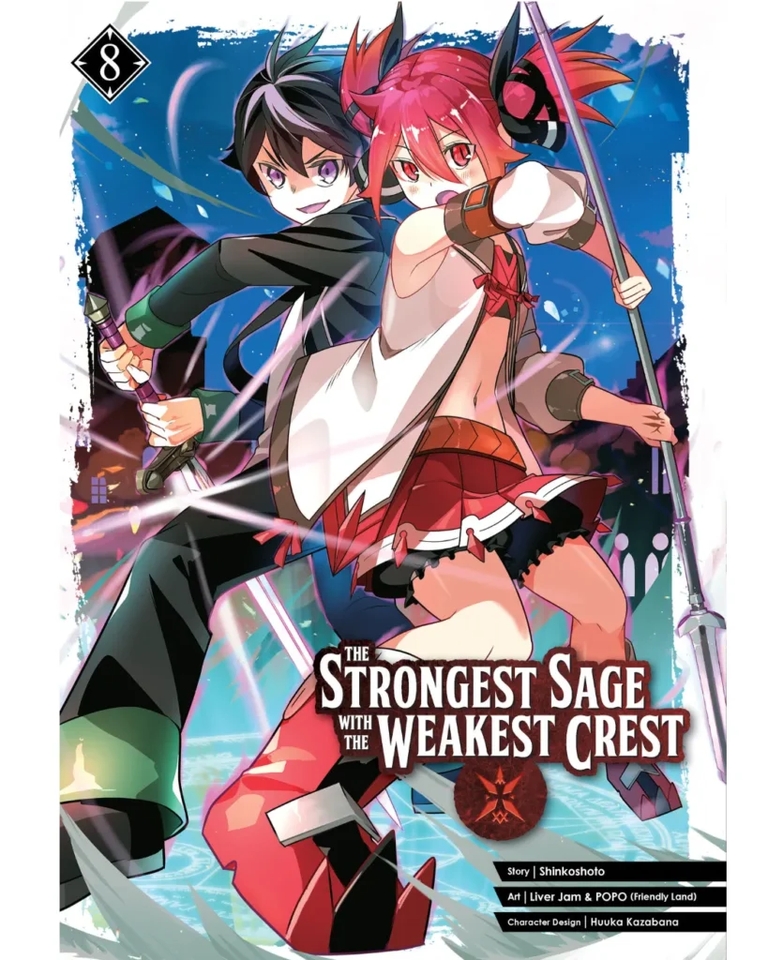
The light novel covers even lean into this by using the English subtitle about the strongest sage reincarnating to get stronger. They know their audience. Whether it fits the dictionary definition of isekai matters less than whether it fits the economic definition of profitable.
So is the strongest sage with the weakest crest isekai? If you ask a librarian or a genre purist, they will say no and possibly lecture you about the difference between tensei and isekai. If you ask a fan who just wants to know if it has slime killing and level ups, they will say yes and tell you to stop being pedantic. Both are right in their own way. The show occupies that weird middle ground where the mechanics are different but the experience is identical.
Watch it if you want brainless power fantasy where the good guy wins instantly and the bad guys are demons who exist solely to be punched. Don't watch it if you need actual stakes or character development. Just know that when you call it isekai in a discussion, someone will eventually pop up to correct you, and now you will know exactly why they are technically wrong but practically right.