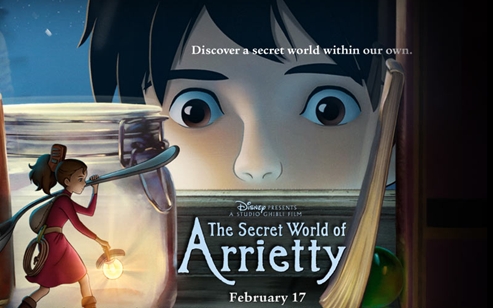
The Secret World of Arrietty anime movie analysis usually starts with people gushing about how pretty everything looks. They're not wrong. The film throws ridiculous detail at you, making regular kitchens feel like vast landscapes and turning sugar cubes into massive white boulders. But here's the thing that drives me nuts. After the credits roll and that pretty French-inspired music stops playing, you're left with a story that doesn't go anywhere and characters who barely change. It's frustrating because the setup is solid. You've got tiny people living under floorboards, a sick kid who might die, and a nosy housekeeper threatening to expose everything. That should hit hard. Instead, it just sits there looking nice while refusing to dig into anything meaningful.
I watched this expecting another Totoro or at least something with the emotional punch of Kiki. What I got was a film that's afraid to upset anyone. The pacing crawls along like it's scared of waking up the neighbors. Scenes that should feel dangerous, like when Arrietty nearly gets caught or when that giant crow tries to eat her, play out with this weird calmness. There's no edge to it. Even the bad guy, if you can call her that, acts more confused than evil. Haru the housekeeper wants to catch the Borrowers because... reasons? The movie never gives her clear motivation. She just suddenly decides they're pests that need extermination, which feels forced and lazy.
Why The Visuals Can't Save The Story
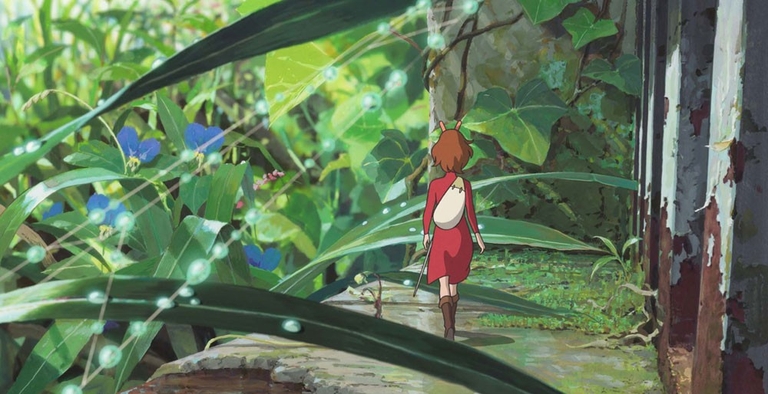
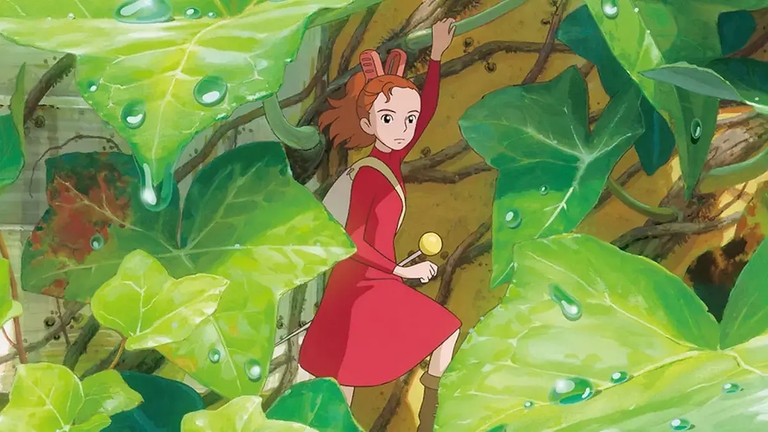
Let's talk about what works first because that's the shorter list. The animation is flawless. Every frame looks like someone spent hours painting tiny leaves and dust motes. When Arrietty climbs up curtains using a fishhook for a grappling tool, you feel the texture of the fabric. The water droplets are huge and glossy. The way they show the Borrower perspective, making a kitchen into a cavernous space filled with oversized objects, is genuinely clever. The visual treatment rivals their best work according to some reviews, and yeah, on a technical level it's hard to fault.
But pretty pictures don't make a movie whole. The problem is that director Hiromasa Yonebayashi, who was handling his first feature here, seems to think that atmosphere can replace plot. It can't. The story follows Arrietty, a fourteen-year-old Borrower who lives with her parents Pod and Homily beneath an old house in Tokyo. They sneak out at night to "borrow" stuff like sugar cubes and tissue paper. Then Shawn (called Sho in the Japanese version), a sick boy with a heart condition, spots her during her first borrowing mission. That's the setup. It should build to something tense. Instead, the movie just drifts.
The Borrower world itself is full of cool details. They use stamps as wall decorations. They sail across flooded kitchen counters in teacups. Pod builds these elaborate pulley systems to move around. That's all great world-building stuff. But you start noticing that nothing really happens with it. The movie sets up this whole society of tiny people living in the walls, introduces another Borrower named Spiller who lives in the wild, and then does almost nothing with that concept. Are there other families? How big is their network? The film hints at a larger world but refuses to explore it, which feels like a cheat.
Arrietty And Shawn's Static Relationship
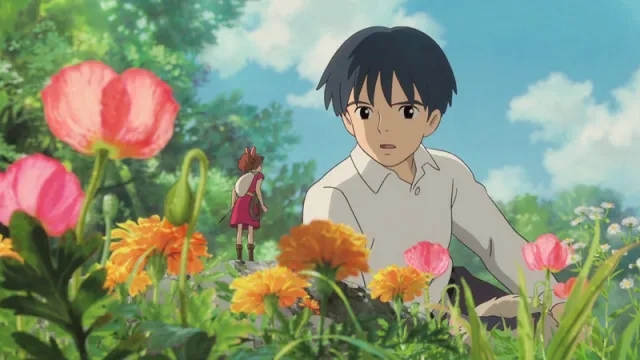
The heart of the movie should be the friendship between Arrietty and Shawn. She's bold and curious, always pushing against her parents' rules about staying hidden. He's quiet and accepting of his own mortality because he's facing heart surgery that might kill him. That contrast should create sparks. It doesn't. Their conversations are polite and slow. Their bond develops subtly but lacks emotional punch according to deeper looks at the film, and that's putting it kindly.
Shawn is a mess of a character. He's got this potentially fatal illness that should make every moment feel precious, but the movie treats it like background decoration. He mentions that he might die during surgery, Arrietty gets sad for a second, and then they move on to looking at flowers. There's no real weight to it. Compare this to how other Ghibli films handle serious themes. In Grave of the Fireflies, war destroys children. In Princess Mononoke, industrialization literally poisons the land. Here, Shawn's heart condition is just a reason for him to be at the house, not something that drives real character change.
Arrietty herself doesn't grow much either. She starts the movie as a brave, somewhat reckless kid who wants to explore. She ends the movie as a brave, somewhat reckless kid who explored some stuff. She doesn't learn a lesson about caution. She doesn't really change her view of humans. She just moves from one location to another. The movie tries to pretend that saying goodbye to Shawn is this huge emotional moment, but they'd only known each other for a few days and most of their interactions were awkward and quiet.
The Haru Problem And Missing Stakes
Every story needs conflict. This one has Haru, the housekeeper who discovers the Borrowers and decides to capture them. But her motivations make zero sense. One minute she's vacuuming and acting normal, the next she's calling exterminators and locking Shawn in his room like a cartoon villain. There's no transition. She doesn't have a traumatic past with Borrowers. She doesn't stand to gain anything from catching them except maybe proving she's not crazy. It feels like the writers realized they needed a bad guy in the third act and just picked the only other human character available.
Because the antagonist is so weak, the stakes never feel real. When Haru traps Arrietty's mom in a jar, it should be terrifying. Instead, you know Shawn will just waltz in and fix everything. And he does. There's no clever plan. No desperate escape. He just walks in and lets Arrietty out. The movie tries to create tension with a race against time before the exterminator arrives, but even that feels low-energy. The pacing stays relaxed even when people's lives are supposedly in danger, which kills any sense of urgency.
The film asks very little of its audience, offering comfort without genuine emotional depth. That's exactly right. It wants to be a cozy bedtime story, but it sacrifices real drama to achieve that coziness. You never doubt that everything will work out fine. Even when the Borrowers have to move away, it's treated as a gentle transition rather than a tragic displacement. The movie is too scared to hurt its characters, so nothing they do feels important.
The Soundtrack And Setting Confusion
Cécile Corbel's music is actually one of the better parts. It's folksy and light, with harps and flutes that fit the fairy tale vibe. Some fans complain that it isn't Joe Hisaishi, the usual Ghibli composer, but I think Corbel's style works for this specific story. The songs have this Celtic lilt to them that makes the whole thing feel like a storybook. The problem is that the music often feels like it's trying to create emotions that the visuals and script haven't earned. You'll get these sweeping, emotional musical cues during scenes where characters are just staring at each other.
The setting is weird too. Miyazaki moved the story from 1950s England to modern-day Japan, but then kept a bunch of European aesthetic touches. So you've got Japanese architecture mixed with English garden design and furniture that looks like it's from a different century. It's not bad looking, just disjointed. The movie can't decide if it wants to be a classic English fairy tale or a contemporary Japanese story. This mix of styles creates an eclectic atmosphere but also makes the world feel less grounded.
What The Movie Could Have Been
Look, the concept is gold. Tiny people living in our walls, taking our stuff, surviving in a world where cats are giant predators and crows are basically dragons. That should write itself. You could explore themes of consumerism by contrasting the Borrowers' minimal lifestyle with human excess. You could dig into Shawn's fear of death and how meeting Arrietty gives him reason to fight for his life. You could make Haru a sympathetic character who thinks she's protecting the house from infestation rather than a sudden psycho.
Instead, we get surface-level treatment of all these ideas. The environmental message is there if you squint. The Borrowers only take what they need, while humans waste things. But the movie never pushes this point. It's just background noise. Shawn's illness is mentioned but never explored in terms of how it affects his worldview. He seems perfectly fine with dying until the plot needs him to save Arrietty, then he gets a burst of energy. It's inconsistent and lazy.
The movie also introduces Spiller, a wild Borrower who lives outside and knows survival skills. He's cool. He looks like a tiny caveman with a spear. And he gets maybe ten minutes of screen time before disappearing. Why not spend more time with him? Show us how other Borrowers live. Build out the culture. The film teases this larger society of tiny people but keeps the focus on one family in one house, which feels claustrophobic in a bad way.
Comparing It To Better Ghibli Films
People always bring up My Neighbor Totoro when talking about Arrietty because both are slow, pastoral, and focused on kids dealing with difficult situations. But Totoro earns its slowness. Every quiet moment in Totoro builds the relationship between the sisters and establishes the magic of the rural setting. The stakes in Totoro are emotional, the fear of a mother's death, and the movie treats that fear with respect. Arrietty wants that same gentle reputation without putting in the work to make us care about the characters first.
In Totoro, when Mei goes missing, you feel panic. In Arrietty, when her mom gets trapped in a jar, you feel mild concern at best. The difference is character investment. Totoro spends time showing the family dynamic, the little rituals of daily life, the way the kids interact with their new environment. Arrietty rushes through its setup to get to the "adventure" parts, but then those adventures are too tame to matter.
The Ending Leaves You Hanging
The ending is maybe the worst part. After all that buildup about the Borrowers being discovered and needing to find a new home, they just... leave. That's it. Arrietty and Shawn share a tearful goodbye where he gives her a sugar cube and she gives him a hair clip. It's sweet but empty. We don't see where they go. We don't know if they find other Borrowers. We don't see Shawn's surgery or learn if he survives. The movie just stops.
Some defenders say this is realistic, that life goes on and not every story needs a neat conclusion. That's cop-out talk. If you're going to make a movie about a boy who might die and a girl whose entire way of life is threatened, you owe the audience some resolution. The open ending feels less like artistic choice and more like the writers didn't know how to finish what they started. The ending feels like an extended episode rather than a complete story, which nails the problem.
Is It Worth Watching At All?
Yeah, sure, if you need something pretty to have on in the background while you fold laundry. Kids will probably like it because there's no real danger and the tiny people are cute. The animation genuinely is beautiful, and if you just want to look at nice drawings for ninety minutes, you'll get that. But if you're looking for the emotional resonance or thematic depth that Studio Ghibli built its name on, this ain't it.
The Secret World of Arrietty anime movie analysis always comes back to this central disappointment. It has all the ingredients for something special but refuses to mix them together. It plays it safe at every turn, choosing pretty aesthetics over risky storytelling. That's probably why Miyazaki handed it off to a first-time director. He could tell it wasn't going to be a classic, just a solid piece of mid-tier family entertainment.
Don't let the Ghibli name fool you into thinking this is essential viewing. It's fine. It's okay. It's a movie that exists and looks nice and then you forget about it. For a studio capable of producing masterpieces that stick with you for decades, "fine" is actually kind of insulting.