
The En Family isn't just another villain organization with a gimmick. They're the beating heart of Dorohedoro, and if you're paying attention to the En Family dynamics and character hierarchy, you realize quickly that Q. Hayashida wasn't writing a story about good guys versus bad guys. She was writing about a small business where the employees happen to have body counts. Most viewers get distracted by Kaiman's quest to find the sorcerer who cursed him, but the real emotional weight sits with these masked weirdos who eat dinner together after spending the day dismembering people.
What makes them fascinating isn't that they're powerful magic users. It's that they function like a real family unit despite being comprised of sociopaths, half-demons, and one guy who can't stop getting his friends killed. En runs the show like a dad who happens to own a mafia, and his employees range from elite assassins to a girl who keeps getting brain damage. Yet they stick together through apocalyptic scenarios that would shatter normal organizations. That resilience comes from their specific hierarchy and the weird domestic routines they've established.
The family structure breaks down into clear tiers that have nothing to do with blood relations. En sits at the top as both boss and reluctant father figure. Below him operate the cleaners, Shin and Noi, who handle the wet work. Then you've got the support staff like Fujita and Ebisu, who are technically terrible at their jobs but somehow essential to the group's chemistry. This setup creates a workplace comedy wrapped in a horror manga, and it works because Hayashida commits fully to the bit that these people genuinely care about each other's wellbeing even while they're turning enemies into fungi.
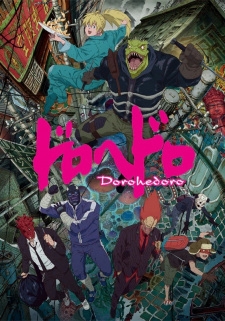
How En Runs His House of Horrors
En is a control freak with a mushroom fixation, and that tells you everything about how he manages his family. His smoke doesn't just transform things into fungi, it represents how he views growth and decay. He cultivates his employees like crops, and just like mushrooms, they thrive in the dark, messy environment he creates. But unlike a typical crime boss who rules through fear alone, En operates on a weird mix of terror and genuine affection that keeps his people loyal beyond reason.
He has zero tolerance for incompetence that stems from laziness or betrayal. Cross him or phone it in, and you'll spend your remaining days as a truffle. But here's the twist that most antagonist organizations miss. En protects his own even when they fail spectacularly. Look at how he handles Fujita, a sorcerer so weak he gets punked by half the cast. In any other organization, Fujita would be dead or exiled after his first few disasters. En keeps him around because he sees the effort, and that patience creates a loyalty that money can't buy.
The hierarchy isn't just about power levels. It's about trust and utility. En hands out second chances like candy, but only to people who prove they value the family unit. He doesn't care if you're the strongest sorcerer in the room. He cares if you'll show up when the world starts ending. That metric creates a power structure where the physically weak but emotionally invested members hold as much security as the heavy hitters. You can see this in how he treats Kikurage, the little demon that follows the family around. En protects that creature with the same ferocity he protects his top cleaners, because in his mind, family is family regardless of utility.
Shin and Noi: The Power Couple That Cleans Up Messes
Shin and Noi represent the gold standard of the En Family's operational tier. They're cleaners, which means they handle the assassinations and body disposal, but their relationship transcends the usual coworker boundaries. Shin has the ability to dismember people while keeping them alive, a skill that requires surgical precision and a complete lack of squeamishness. Noi counters this with healing magic so potent she can put Humpty Dumpty back together again. Together, they're unstoppable, but separately, they're incomplete.
Their partnership works because they balance each other's extremes. Shin is half-human, which puts him at the bottom of the magic user social ladder despite his terrifying abilities. He grew up knowing what it was like to be prey, and that empathy makes him more careful with his violence than you'd expect. Noi, on the other hand, was almost a devil, a being of pure power that exists above normal sorcerers. She gave up that ascension to stay with Shin, which tells you everything about where her priorities sit. When you have the chance to become a god and you choose to stay with your work partner, that's not just a working relationship anymore.
The hierarchy here puts them just below En in terms of authority, but their real power comes from their interdependence. Other cleaners in the magic world work alone or in rotating teams. Shin and Noi are permanent, and that stability makes them more efficient than any other unit En could hire. They finish each other's sentences and their violence, creating a seamless workflow that intimidates enemies and comforts allies. When Noi heals Ebisu for the hundredth time after another disaster, or when Shin covers for Fujita's mistakes, they're not just doing their jobs. They're maintaining the family infrastructure that keeps everyone sane in a world that wants them dead.
Fujita and Ebisu: The Bottom Rung That Holds Everything Together
Every family needs its screw-ups, and the En Family has two of the best. Fujita is technically a sorcerer, but his magic is weak and his combat skills are worse. He's the guy who gets sent on missions that should be simple and still finds ways to complicate them. Then there's Ebisu, a young girl with reptile transformation magic and a brain injury that never quite healed right. On paper, they shouldn't survive in an organization this dangerous. In practice, they're the glue that keeps the family from becoming too冷血 or mechanical.
Fujita's role in the character hierarchy is the perpetual underdog who refuses to quit. His grudge against Kaiman drives half the plot, not because he's powerful enough to be a threat, but because his persistence is annoying enough to create momentum. En keeps him on payroll because Fujita cares more about the family than anyone. He might fail upward constantly, but he never runs when things get bloody. That courage, however misguided, earns him protection from the heavy hitters who could easily dismiss him.
Ebisu functions as comic relief, but her position is more complex than just the funny victim. Her brain damage makes her honest in a way that cuts through the family's usual masks. She says what everyone is thinking and acts on impulse without the social filters that magic users usually maintain. That authenticity creates a safe space for the other members to drop their tough personas. When Ebisu is around, Shin relaxes. Noi gets maternal. Even En softens. She's like the family dog that everyone pretends is a nuisance but secretly protects with their lives. The scene where Fujita carries her severed head back to the family, desperate to save her, proves that their bond runs deeper than just coworker convenience.
Why the Found Family Trope Actually Works Here
Most anime that try the found family angle end up feeling forced, with characters declaring their love for each other after knowing each other for two episodes. The En Family avoids this trap because their bonds are forged in shared trauma and mutual survival rather than cheap sentiment. They don't have to say they care. They show it by showing up to work every day in a job that could kill them, and by remembering each other's birthdays even when they're in the middle of a gang war.
The hierarchy reinforces this by creating clear roles that don't change based on mood. Everyone knows where they stand. En is the boss who pays the bills and provides the mushrooms. Shin and Noi are the big siblings who handle the scary stuff. Fujita and Ebisu are the annoying younger siblings who need protection but contribute in weird ways. This structure gives them stability in a world that's literally falling apart around them, and it lets them function as a unit without constant bickering about who's in charge.
What separates them from the Cross-Eyes gang, their primary rival organization, is that the En Family has learned to trust each other's specific weirdness. The Cross-Eyes operate like a military unit, all uniforms and protocols. The En Family operates like a dysfunctional restaurant kitchen. Everyone has their station, everyone burns themselves occasionally, and at the end of the night, they eat together and complain about the customers. That domestic rhythm makes their violence hit harder because you know they genuinely care about the person standing next to them. When Shin puts his hammer through someone's skull, he's not just doing his job. He's protecting the people who will eat dinner with him later.
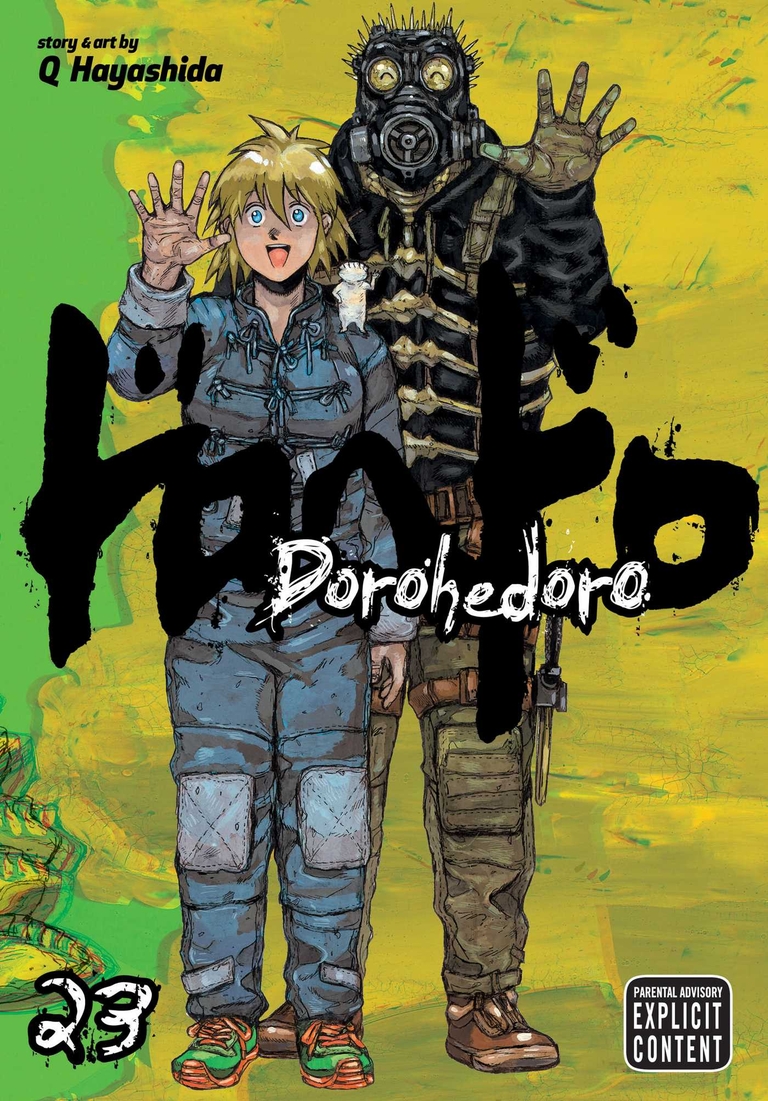
The Business Side of Bloodshed
People forget that the En Family is technically a business. En doesn't just kill people for fun, though he enjoys it. He runs a mushroom empire that requires logistics, sales, and quality control. That commercial reality adds another layer to the family dynamics because it means everyone has to pull their weight in the economic machine, not just the combat roles.
Shin and Noi handle enforcement and collection, but they also do PR work when other sorcerers get rowdy. Fujita, despite his incompetence in fighting, apparently handles some of the paperwork or gofer work that keeps the mushroom farms running. Even Ebisu contributes by being a reminder of why they're working, a symbol of what they're protecting. The hierarchy extends into the business structure, with En as CEO and the cleaners as upper management.
This economic foundation explains why the family survives when other groups fall apart. They have resources, property, and legitimate business fronts that give them stability. The Cross-Eyes are purely destructive, burning through resources and people. The En Family builds and maintains, which requires long-term thinking and loyalty. You can't run a mushroom empire with constant turnover. En knows this, so he cultivates his employees like he cultivates his fungi, with patience and a willingness to let them grow in their own strange directions. That patience pays off when the world starts ending and he needs people who know the business well enough to run it while fighting for their lives.
The Unspoken Rules of Survival
There are rules in the En Family that nobody writes down but everyone follows. First, you don't mess with Kikurage, the little demon that serves as the group's magic battery and mascot. Second, you never point out that Noi could kill everyone in the room if she felt like it. Third, you let Ebisu eat whatever she wants because she's been through enough. These rules create a culture where weakness is protected rather than exploited, which is radical in the Magic User world where power usually determines everything.
The hierarchy isn't rigid. It's flexible enough to accommodate disasters. When the world starts ending and Hole's consciousness threatens to wipe out magic users, the family doesn't scatter. They converge. Fujita, who should be hiding under a bed, charges into danger to retrieve Kikurage because he knows the family needs that resource. Shin and Noi operate as a unit so seamless they might as well be one person, covering each other's weaknesses and amplifying their strengths. En himself drops the tough boss act and shields his people from the worst of the chaos, using his mushrooms to create barriers instead of weapons.
That flexibility comes from their specific history together. They aren't just coworkers who clock in and out. They live together in En's mansion, eat Nikaido's cooking when they visit the Hole, and share the unique weakness that rain causes for all magic users. They know each other's vulnerabilities and guard them without being asked. In a story where most relationships are transactional or violent, the En Family proves that even monsters need homes, and they'll fight harder to protect those homes than any hero fights for abstract justice.
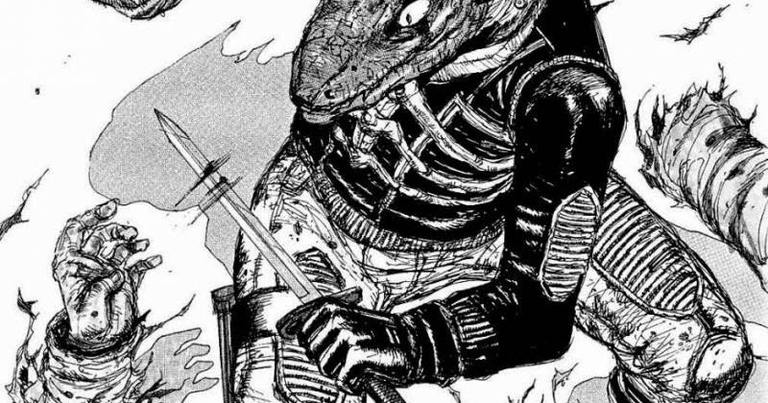
The Finale Proves the System Works
When everything hits the fan in the final arcs, the En Family dynamics and character hierarchy get tested by apocalyptic pressure. Hole's consciousness is trying to wipe out all magic users. The Cross-Eyes are escalating their attacks. The devils are playing their own inscrutable games. In this chaos, the En Family doesn't fracture. They solidify into something harder to break than diamonds.
Fujita steps up in ways that nobody expected, retrieving essential items and protecting Ebisu despite being objectively outclassed by everyone he fights. He proves that his place in the hierarchy was never a mistake or charity. He earns his spot through sheer stubbornness and loyalty. Shin and Noi operate as a unit so seamless they might as well be one person, covering each other's weaknesses and amplifying their strengths until they're fighting at devil-level without actually being devils. En reveals that his scary boss persona was always a cover for genuine paternal concern, using his mushroom powers to create barriers and safe zones for his people rather than just weapons.
The hierarchy holds because it was never about power. It was about fit. Everyone in the En Family has a place where they belong, from the nearly-divine Noi to the barely-functional Ebisu. That inclusivity is their strength. While the Cross-Eyes demand conformity and purity, the En Family embraces the weird, the broken, and the half-blooded. They win not because they're the strongest, but because they actually like each other enough to die for each other, and that's rarer than any magic in the series.
Why This Matters for the Whole Story
You can't understand Dorohedoro without understanding the En Family. Kaiman's journey is the plot, but the En Family is the context that makes that plot meaningful. They represent the establishment of the Magic User world, but they're also the exception that proves the rule about that world's cruelty. While most sorcerers treat Hole's humans as disposable meat, the En Family treats each other as irreplaceable treasures worth any sacrifice.
Their hierarchy challenges the idea that might makes right. En could rule through pure terror, but he doesn't. He rules through a mix of terror and genuine care that creates a loyalty no amount of black powder can replicate. Shin could demand respect based on his combat ability, but he earns it through reliability and kindness to those weaker than him. Noi could have left to become a devil, but she stayed for the company. These choices define the character hierarchy more than their smoke types or mask designs.
When the story ends and the dust settles, the En Family is still together. They're battered, changed, and dealing with a new reality, but they're intact. That survival is the ultimate proof that their system works. In a world where everything is mud and death, they built something that lasts. It might be a family of killers who sell mushrooms and argue over dinner, but it's theirs, and they protect it with a ferocity that puts the so-called heroes to shame.
The En Family dynamics and character hierarchy show us that family isn't about blood or even about species. It's about showing up, taking the hits, and still being willing to sit down for a meal with the people who drive you crazy. They just happen to do it while wearing masks and wielding knives.