
People won't shut up about the CGI. They see the 3D models and immediately start comparing them to puppets or bad video game cutscenes and they write the whole thing off. That's a mistake. A huge one. The Duke of Death and His Maid anime review threads are flooded with complaints about the animation style but they're missing the actual point of what makes this show work. It's not about how the characters move. It's about how they can't move together. The curse that kills anything Bocchan touches creates a romance built on distance and that distance hurts more than any janky frame rate ever could.
You get used to the CGI. I'm serious. Three episodes in and your brain adjusts. What you don't get used to is the way Alice looks at him when she leans in close knowing full well they can never touch. That stuff sticks with you. The show is basically a masterclass in sexual tension without physical contact and it manages to be wholesome while doing it which shouldn't work but absolutely does. The first season aired back in 2021 and the second followed recently completing a 24 episode run that adapts the manga with surprising faithfulness to the emotional beats even when the visual execution gets weird.
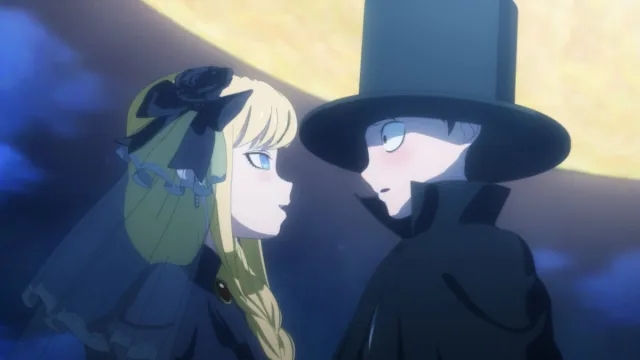
The Duke of Death and His Maid Anime Review Focuses Too Much on the CGI
Let's get this out of the way because everyone else obsesses over it. Yes the animation is 3D CGI. Yes it looks weird sometimes. The characters have this floaty quality to their movements and occasionally their faces go completely blank like someone forgot to turn on the expression render. Viola especially gets hit with this weird dead-eyed stare in some scenes that makes her look like she's buffering. I get why people hate it. Most anime fans have PTSD from bad CG like that one Berserk adaptation that we don't talk about.
But here's the thing. The art style underneath the CG is gorgeous. It looks like an oil painting come to life with these rich gothic backgrounds and detailed Victorian estates. The puppet comparisons are everywhere but they're lazy. The models are actually detailed well and shaded to look 2D in a lot of shots. Alice's eyes specifically manage to convey a ton of emotion even through the CG filter. Her blue eyes have this expressiveness that breaks through the technical limitations and when she teases Bocchan you forget you're looking at a model.
J.C.Staff made a choice here and it wasn't budget constraints apparently since they kept it for two seasons. They wanted that specific look. The exaggerated expressions from the manga translate weirdly to 3D but they also allow for camera movements and lighting effects that 2D animation would struggle with. The dance scene in season one where they waltz together without touching uses the CG to create this spinning camera effect that makes your heart hurt because you can see the space between them. That space matters. The technical flaws become invisible once you buy into the emotional reality of the characters. Some viewers admit they got hooked despite the initial barrier. The lighting in the evening scenes specifically uses the CG engine to create these warm candlelit effects that would require enormous effort in traditional animation.
The real issue isn't the technical execution anyway. It's the disconnect between the character models and the backgrounds which are often clearly 2D painted. When Bocchan walks through the forest the trees look like a painting while he looks like a figure from a different medium and that's jarring. But you adapt. Your eyes learn to accept it the same way you accept that cartoon characters have four fingers. The story moves fast enough and the dialogue is strong enough that you stop noticing after a while.
Alice Carries the Show Through Voice Acting Alone
Ayumi Mano deserves an award for this performance. Seriously. She plays Alice with this breathy teasing tone that walks the line between seductive and innocent and she never steps wrong. Alice could have been annoying. She constantly throws herself at Bocchan knowing he can't touch her and she makes dirty jokes and lifts her skirt and does all this fanservice stuff that should feel cheap. It doesn't. It feels like love.
Mano's voice has this warmth to it even when she's saying something filthy. She sounds like she's smiling through every line. Compare her to Inori Minase who plays Viola with that standard cute anime voice and you realize how much range Mano is showing. Alice isn't just a maid with a crush. She's the only person who sees Bocchan as a man instead of a curse. Her voice conveys that acceptance.
The character design helps too. The black maid outfit against her blonde hair creates this visual contrast that pops even in the CG format. Her eyes are always half-lidded and calm. She moves with this deliberate slowness that suggests she's always in control except when she's around Bocchan and her voice cracks just slightly. Those tiny details. They build a character that feels real despite the puppet-like animation. One review I read called her performance dream-like and that's accurate. She carries the emotional weight of the entire series.
Natsuki Hanae as Bocchan holds his own too which is hard because he's playing a depressive noble who spends half the show looking gloomy. He brings this vulnerability to the role that keeps Bocchan from being pathetic. When he confesses his feelings his voice breaks in this specific way that makes you believe he's been holding it in for years. The chemistry between the two leads transcends the animation style completely. Hanae has played plenty of sad boys before in shows like Tokyo Ghoul and Your Lie in April but Bocchan feels different. He's sad but he's also witty and self-aware and Hanae captures that specific blend of melancholy and dry humor.
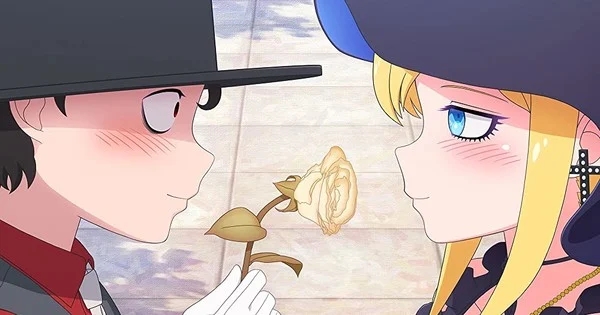
A Romance Built on Distance and Restraint
The central gimmick sounds like a setup for a tragedy. Bocchan touches anything living and it dies. Plants wither. Bugs drop dead. Humans would croak instantly. He's been exiled to a remote estate by his garbage family and he lives in isolation with only Rob the butler for company. Then Alice shows up. She was his childhood friend. She's in love with him. She insists on working as his maid. And she cannot touch him.
This setup creates a romance where every almost-touch is charged with electricity. When Alice leans in close and her hair brushes his shoulder and he has to pull back before his skin meets hers the show captures that ache perfectly. The longing is the whole point according to Anime News Network. They find ways to be intimate without contact. They dance with gloves on. They kiss through glass panes. They hold hands with cloth between their palms. In one episode she brushes his hair and the simple act of running a comb through his locks becomes erotic because it's the most contact they've had in months.
Some people call it repetitive. They say the show just alternates between Alice teasing Bocchan and him blushing and then a sad moment about the curse. Those people are watching wrong. The repetition is the point. This is a relationship defined by what they can't do. Every day they wake up and choose to love each other despite the barrier. That requires a different kind of strength than your standard romance anime where they just trip and fall into a kiss.
The curse isn't just a plot device either. It represents Bocchan's self-loathing and his fear of hurting others. As he grows more confident and starts seeking ways to break the curse the physical distance between him and Alice starts to mirror his emotional growth. When he finally gets close to breaking it in season two you feel the weight of all those episodes where they couldn't touch. The payoff matters because they earned it through restraint. The snow episode in season one where they stand close enough to share breath but can't kiss remains one of the most tense romantic scenes in recent memory.
The Supporting Cast Actually Matters to the Plot
Most romance anime throw in side characters to create misunderstandings or filler episodes. This show uses them to flesh out the world. Viola is Bocchan's younger sister who visits constantly and has a weird crush on Rob the elderly butler which sounds creepy but plays as comedy somehow. She's also obsessed with Alice in a different way and her interactions add this chaotic energy that breaks up the romantic tension. Viola isn't just comic relief though. She represents the family that abandoned Bocchan and her visits force him to confront his feelings about his aristocratic upbringing.
Walter is the older brother who seems like a jerk at first but genuinely cares about Bocchan in his own awkward way. He represents the aristocratic society that rejected Bocchan and watching him struggle with his own position while trying to help his brother adds layers to the family drama. Walter's relationship with Daleth in season two becomes a surprisingly sweet subplot that mirrors the main romance in interesting ways.
Then you get the witches. Daleth starts as an antagonist with half her face scarred who wears a mask and runs the witch society. She knows who cursed Bocchan, her sister Sade, and she holds the key to breaking it. Her arc from enemy to ally works because she has her own insecurities about her appearance and her voice actress Youko Hikasa sells the hell out of her vulnerable moments. Her infatuation with Walter becomes a whole subplot that pays off in the second season. Daleth isn't just a villain turning good. She's a woman dealing with facial scars in a society that values beauty and her romance with Walter addresses that directly.
Caph and Zain round out the witch side of the cast. Caph is monotone and weird and voiced by a newcomer who nails the deadpan delivery. Zain has time travel powers which sounds like a copout but creates some genuine tension when he reveals the future can't be changed easily. These characters aren't just hanging around. They advance the plot and they have their own emotional beats that connect back to the main theme of accepting yourself despite flaws or curses. Rob the butler serves as the father figure and his steadfast loyalty provides the stability that allows Bocchan to eventually reach for more than his isolated existence.
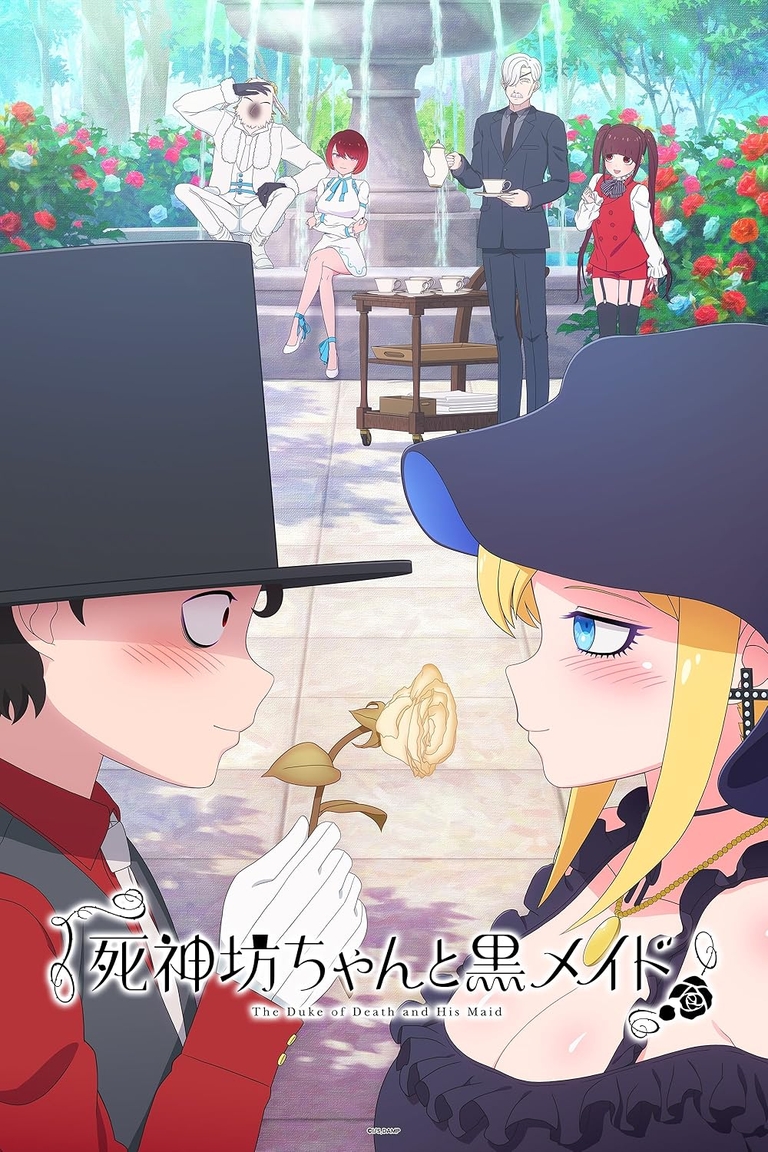
Season Two Fixes the Pacing Problems
The first season is slow. That's not necessarily bad because it lets you sit with the characters and soak in the atmosphere but yeah some episodes feel like they just tease the romance without moving forward. Season two accelerates everything. The curse breaking becomes an actual goal instead of a vague wish. We learn about Sade and why she cursed Bocchan. We get time travel elements. We get Daleth's backstory.
The animation quality also improves slightly in season two or maybe you just get used to it more. The models look smoother and the action scenes which were stiff in season one flow better. The plot starts weaving together the aristocratic drama with the witch politics and Bocchan starts taking active steps to fix his situation instead of just moping.
The show evolves from standalone episodes into something more intricate according to viewers who stuck around. The second season rewards your patience with moments like the glass kiss and the dance and revelations about Alice's past that explain why she loves him so much. It stops being just a will-they-won't-they and becomes a how-will-they which is way more interesting. The introduction of Zain's time travel creates actual stakes because he reveals that attempts to break the curse have failed before, adding a sense of danger to their efforts.
Season two also gives Alice more agency. She stops being just the teasing maid and reveals her own research into breaking the curse. We learn she has been working just as hard as Bocchan to find a solution and that she carries her own trauma from their childhood separation. The episodes where they visit the witch village and confront Sade's legacy provide the kind of plot progression that season one only hinted at.
Why the Teasing Works Instead of Feeling Cheap
Alice flirts constantly. She talks about wanting to sleep with him. She shows off her body. She corners him in rooms and leans in close. In a lesser show this would be cringe fanservice that breaks the tone. Here it works because of the context. She can't touch him. The teasing is the only physical intimacy they can have. When she describes what she wants to do to him she's also describing what they can't do and that creates this painful sweet tension.
Bocchan's reactions help too. He doesn't act like a generic harem protagonist who nosebleeds and runs away. He wants her back. He tells her she's beautiful. He accepts her teasing as affection because that's what it is. Their relationship feels adult in a way most anime romances don't. They communicate their feelings clearly even when the curse prevents physical expression.
The fanservice never feels gratuitous because it serves the story. Every time Alice lifts her skirt or mentions something sexual it reminds you of the barrier between them. It keeps the physical stakes high. Some reviews call it warm and fuzzy despite the sexy elements which is a hard balance to strike but they manage it. The fact that Bocchan can't touch her means that every glance and word carries weight. When she describes a fantasy of being with him it hurts because it's impossible, not because it's titillating.
The Soundtrack and Gothic Atmosphere
The music in this show doesn't get enough credit. The opening themes have this jazz-influenced gothic sound that fits the Victorian setting perfectly. The background music uses piano and strings to create this melancholy atmosphere that never becomes depressing. When Bocchan and Alice share a quiet moment the score knows to stay silent or use a single instrument rather than overwhelming the scene.
The show looks like a Victorian ghost story but feels like a cozy romance. The estate is isolated and creepy with dark woods and mist but inside it's warm and safe. The contrast between the gothic setting and the slice of life tone creates this unique vibe where you feel like you're hiding from the world with these characters. The color palette leans into purples and dark blues for the outside world but warm candlelight oranges for the indoor scenes with Alice and Bocchan. It visually reinforces the idea that their relationship is a sanctuary.
Adapting the Manga's Visual Style
The original manga by Koharu Inoue uses very thick line art and heavy shadows. The anime tries to replicate this with the CG shading and for the most part it works. The characters keep the distinct facial expressions from the manga with the exaggerated eyes and dramatic reactions. Some purists complain that the 3D loses the charm of the 2D art but the adaptation makes smart choices about which scenes to render with extra detail.
The manga's comedy relies heavily on visual gags and the anime manages to translate most of them effectively. Alice's suggestive poses and Bocchan's flustered reactions look almost identical to their manga counterparts just with more dimension. The anime adds color obviously which helps distinguish the characters from the backgrounds in a way the black and white manga couldn't always manage.
Final Verdict on Who Should Watch
If you need fast paced action look elsewhere. If you hate CGI with a passion you might struggle through the first few episodes. But if you want a romance that takes its time and builds real emotional stakes you need to watch this. It's for people who like their love stories with a bit of pain mixed in. It's for viewers who appreciate voice acting that carries the whole production. It's for anyone who's ever had to love someone from a distance and knows how much that hurts.
The show demands patience. The animation takes getting used to. The plot in season one meanders. But the payoff is one of the most sincere romances in recent anime. Alice and Bocchan feel like a real couple who choose each other every day despite impossible odds. The series is better than you'd think if you give it a chance to work its magic.
The Duke of Death and His Maid anime review consensus focuses too much on technical flaws and not enough on emotional truth. Yes the CGI looks like puppets sometimes. Yes the pacing drags in places. But the romance between Alice and Bocchan is so well written and so beautifully acted that it transcends those limitations. This is a show about finding ways to love when the world says you can't and that's more important than smooth animation.
Watch it for Alice's voice. Watch it for the scenes where they almost touch. Watch it because it's proof that a good story can carry bad graphics but good graphics can't save a bad story. The curse will break eventually and when it does you'll cry because you watched them earn that touch through twelve episodes of restraint and longing. That's worth more than perfect CGI ever could be.