
The Daily Life of the Immortal King anime review community is split between people who watched fifteen episodes and people who suffered through all three seasons. If you are in that first group you probably think this Chinese donghua is pretty good. If you are in the second group you are angry and confused about where it all went wrong. I am going to save you some time right now. Watch the first season on Netflix and pretend the show got cancelled. You will be happier that way.
This series should have been a home run. It takes the overpowered protagonist trope that dominates light novels and does something interesting with it. Wang Ling is born with enough power to destroy the world and he just wants to eat his spicy strips and get through high school without anyone finding out he is basically a god. That setup creates immediate tension because every fight means he has to hold back enough to not kill anyone but still win. The animation is solid for a Chinese production. The colors are bright. The character designs look good. And the first season actually tells a complete story with a beginning middle and end that hits emotional beats you do not expect from a comedy show.
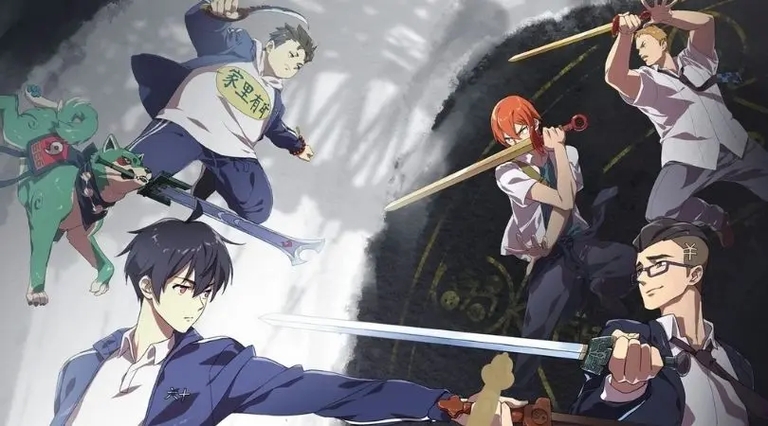
What Season One Gets Right
The first fifteen episodes work because they understand exactly what they are making. This is a comedy with action elements not an action show with jokes. Wang Ling spends most of his time trying to suppress his power so he does not accidentally erase his classmates from existence. His parents are terrified of him. His teachers are confused by him. And he slowly builds a friend group that includes Sun Rong the powerful heiress who actually likes him for reasons that make sense within the story.
The season one delivers a specific kind of humor that mixes Chinese internet culture with standard anime tropes. Yes some people compare it to Saiki K constantly and that comparison is not entirely wrong. Both shows feature overpowered protagonists who want normal lives. Both use deadpan delivery. But Wang Ling is not psychic he is a cultivator. The show uses xianxia elements like golden pills spiritual energy and cultivation realms but drops them into a modern high school setting where kids worry about exams and social media.
The animation quality surprised a lot of viewers who expected cheap Chinese knockoff stuff. The fight scenes have real weight to them. When Wang Ling finally cuts loose the destruction looks expensive. The studio clearly spent money on the important moments and saved on the background characters which is smart budgeting. The voice acting in the original Chinese is good though some people prefer the Japanese dub. I think the Chinese voices fit better because the jokes land harder when you hear the original delivery timing.
Sun Rong carries a lot of the emotional weight. She is not just a love interest thrown in to check a box. She has her own power set her own family drama and she forms a genuine connection with Wang Ling because they are both weirdos who do not fit into normal society. Their relationship builds naturally over the first season and pays off in a finale that actually made some viewers tear up. That is hard to do in a show that also features jokes about spicy snack foods and video game references.
Where The Adaptation Goes Wrong
Then season two starts and everything falls apart. The writers apparently decided that what viewers really wanted was not character development or comedy but random tournament arcs and pointless fights against villains with no motivation. The source material is a web novel that is famous for being packed with memes references to real world events and Chinese internet culture. The anime adaptation stripped almost all of that out probably for legal reasons. What is left is a skeleton of a story that makes no sense because the connective tissue was those references.
Season three gets worse. The plot becomes pure filler. Characters act in ways that contradict their established personalities. Wang Ling goes from being a guy who carefully controls his power to someone who randomly levels cities because the writers needed an explosion that week. The romance that was carefully built in season one gets put on hold so we can watch side characters fight each other over and over again. It is boring. It is lazy. And it ruins the goodwill the first season built up.
The three seasons analysis points out that the anime diverged completely from the web novel around episode eight of the first season and then went off a cliff in season two. The original novel has a coherent progression system and clear stakes. The anime throws spaghetti at the wall hoping something sticks. One episode we are watching a cooking competition the next we are fighting demons from another dimension with no transition between these tones.
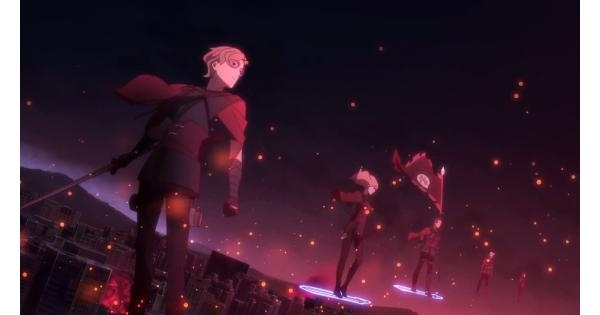
The Saiki K Comparison Is Lazy But Not Wrong
Everyone brings up The Disastrous Life of Saiki K when reviewing this show. I get it. The premise is almost identical on the surface. Overpowered high schooler wants a quiet life. Deadpan expression. Food obsession. Weird parents. But the execution is different in ways that matter.
Saiki K is pure gag comedy. It breaks the fourth wall constantly and resets every episode. The Daily Life of the Immortal King tries to have an ongoing story with character growth and stakes. When it commits to that in season one it works. When it tries to be Saiki K in season two by just throwing random comedy bits together without the clever writing it fails hard. Saiki K can get away with nonsense because that is the point. This show cannot because it established rules and stakes in its first fifteen episodes.
Also Saiki K is Japanese and this is Chinese donghua. The cultural context matters for the humor. The jokes about cultivation societies and Chinese school systems land differently than Japanese high school comedy. If you have watched a lot of xianxia novels or Chinese fantasy the references in season one are hilarious. If you have not you might miss some layers but the basic comedy still works because physical humor translates.
Technical Stuff That Matters
The subtitles on the official release are sometimes hard to read. They use white text without enough outline so when the background is bright you cannot see what characters are saying. This is a basic accessibility failure that should have been caught in quality control. You will find yourself pausing and rewinding just to catch dialogue which kills the comedic timing.
The music is fine but not memorable. It does the job of pumping you up during fight scenes and relaxing during slice of life moments. The opening song is catchy enough that you will not skip it every time. The sound design for the cultivation powers uses standard sparkly magic noises that get the point across without being annoying.
One real problem the show has is fat shaming. There is a supporting character who gets treated badly by the narrative specifically because he is overweight. The show uses terms like fatty repeatedly and portrays him as greedy and weak because of his size. It is unnecessary and leaves a bad taste. You can skip those scenes but they are there and they suck.
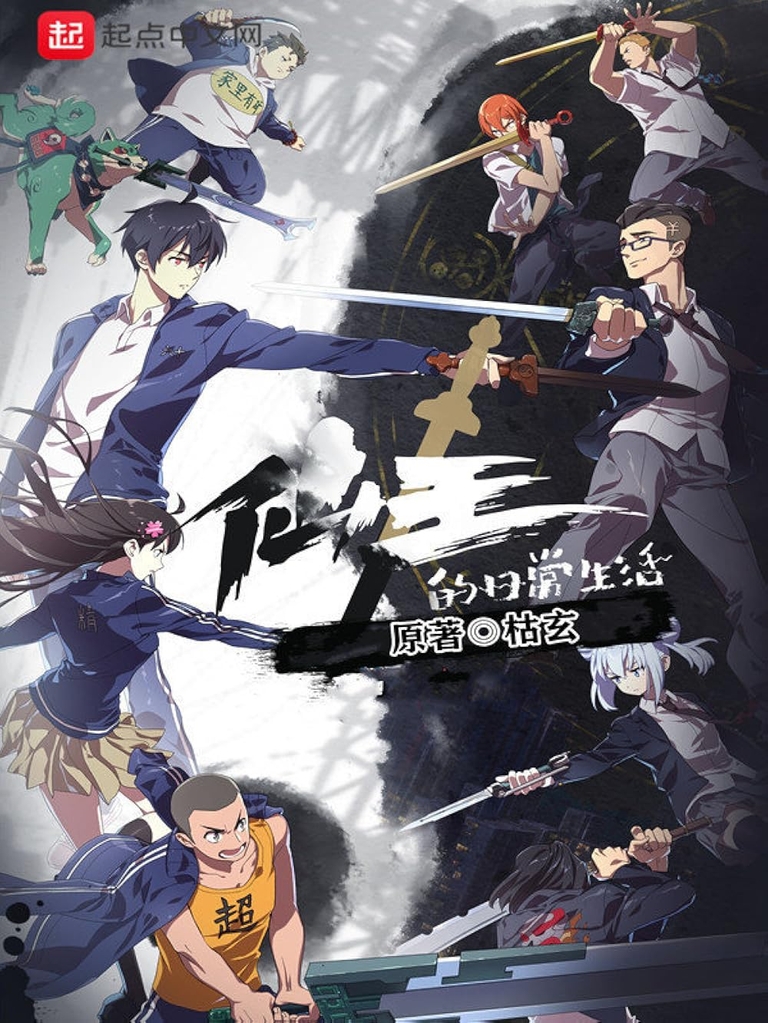
Why The Power System Falls Apart
In season one the power system makes sense. Cultivators have levels. Wang Ling is off the charts. He has to seal his power with talismans to avoid destroying reality. Cool. That creates tension because we know if the seals break bad things happen.
In seasons two and three the power levels mean nothing. Random characters show up who are stronger than everyone else until they are not. Wang Ling gets new powers whenever the plot needs them without explanation. The golden pills that were important in season one become irrelevant. It is sloppy writing that assumes viewers will not notice if the explosions are big enough.
This happens because the anime stopped following the web novel which had a structured progression system. The anime writers made up their own story and they do not understand how to write power scaling. So you get scenes where a character is struggling against a demon in one episode and then destroying planets in the next with no training montage or power up explanation.
The Romance Subplot Deserves Better
Sun Rong and Wang Ling have chemistry in season one. She is outgoing and aggressive. He is passive and trying to hide. They balance each other. The show spends time showing them eating together studying together and fighting bad guys together. By the end of season one you believe they care about each other.
Then the later seasons forget this exists. Sun Rong gets sidelined for episodes at a time. When she does show up she is reduced to a damsel in distress or a jealous girlfriend stereotype. It is insulting to the character they built. The web novel has more development for their relationship but the anime cuts it for more fight scenes that do not matter.
Is It Worth Watching
Watch season one. It is fifteen episodes of fun. The story ends at a good stopping point. You get the character introductions the school tournament arc the romance development and a satisfying finale. If you stop there you will think this is a solid seven out of ten show that mixes comedy and action well.
Do not watch season two or three unless you really love the characters and need more content even if it is bad. Those seasons have maybe three decent episodes between them and the rest is filler garbage that contradicts everything good about the first season. The animation quality drops. The writing gets worse. And the story goes nowhere.
The Daily Life of the Immortal King anime review scores are inflated by people who only watched the first season which makes sense because that is the only part worth discussing. If you want a complete story watch those fifteen episodes. If you want to see what happens next read the web novel which is apparently much better though I have not gotten around to it yet because who has time for thousands of chapters of anything.
This show represents the potential and the problem with modern donghua. The production values are there. The studios can make pretty pictures that move well. But the adaptation writing is often a mess that prioritizes filler over story. Season one proves they can do it right when they try. Seasons two and three prove that trying is apparently too much work.