
Tengen Toppa Gurren Lagann anime review and legacy discussions usually devolve into screaming matches about whether it's genius or garbage. I'm here to tell you it's both, and that's exactly why it stuck around. Released in 2007 when every other show was pushing soft moe blobs and schoolyard romcoms, this thing came out swinging with screaming dudes, galaxy-sized robots, and a philosophy that basically says screw logic, feel harder. It didn't just revitalize the mecha genre, it grabbed it by the throat and yelled until the walls broke.
Director Hiroyuki Imaishi and writer Kazuki Nakashima were working at Gainax back then, fresh off their work on stuff like Dead Leaves and the Diebuster OVA. They looked at the depressed, navel-gazing post-Evangelion landscape and decided to burn it down. Instead of sad boys in robots questioning existence, they gave us drill-punching lunatics who believe friendship literally creates energy. It's stupid. It's beautiful. It shouldn't work but it absolutely does.
I'm not going to pretend this show is perfect because it isn't. The fanservice is embarrassing, half the cast is cardboard, and the plot runs on pure vibes after episode fifteen. But here's the thing: when Gurren Lagann is on, nothing else touches it. The raw adrenaline of those fight scenes, the way it escalates from cavemen fighting robots to universes colliding, that's the stuff that keeps people talking fifteen years later.
It Landed Like a Bomb in 2007
In 2007 the anime scene was drowning in cute girls doing cute things. Every season brought another soft-spaced school comedy where nothing happened and nobody got mad. Then Gainax dropped this 27-episode monster that opens with a kid digging tunnels underground while his shirtless brother screams about breaking through the ceiling. It was like a bucket of ice water dumped on a sleeping crowd.
The show knew exactly what it was doing. Imaishi and Nakashima weren't trying to be subtle. They wanted to recapture the feeling of those 1970s super robot shows like Mazinger Z and Getter Robo where heroes shouted attack names and believed in justice with zero irony. But they filtered it through a modern lens that moved faster and hit harder. The result was something that felt nostalgic but completely fresh, a show that rejected the pessimism of Evangelion and the passivity of moe culture in one go.
You can see the DNA of Gainax's earlier work in the bones of this thing. The Gunbuster influence is obvious if you know where to look, especially in that iconic pose where the mecha crosses its arms and the lighting goes dramatic. But where Gunbuster was about sacrifice and loneliness, Gurren Lagann is about shouting your feelings until reality bends. It was the exact opposite of what the market wanted at the time, which is probably why it became such a hit.
The Animation Refuses to Sit Still
Let's be real about the visuals because they carry half the weight. Imaishi's style is messy in the best way. Characters stretch and squash like rubber. The camera spins around during speeches. Lines get thick and sketchy when emotions run high. It looks like the animators were screaming while drawing, and that energy infects every frame.
This isn't clean studio polish. It's frantic and raw and sometimes the anatomy goes weird, but it matches the tone perfectly. When Simon finally pilots Gurren Lagann for real, the robot doesn't just move, it screams through the screen. The mecha designs start weird and get weirder, from the basic Gunmen that look like heads with legs to the city-sized Dai-Gurren to the final battle where they're throwing galaxies like shuriken. Nothing else looks like this, not even Imaishi's later work at Trigger.
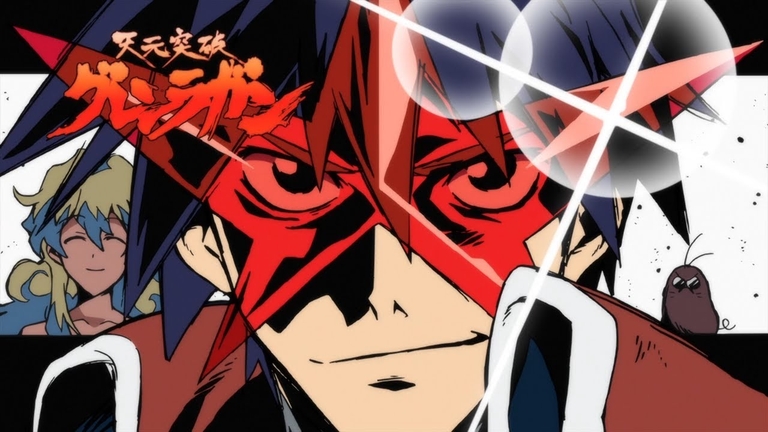
The color palette alone deserves mention. This thing uses reds and oranges like they're going out of style. When Kamina puts on those star-shaped shades, the whole screen lights up. Episode four gets weird with the animation quality, going full cartoony with rougher lines and exaggerated faces, and some people hate it but I love it because it shows the team was willing to experiment rather than play it safe. The visual language is consistent even when the budget fluctuates, and that's harder to pull off than it looks.
Kamina's Death Is the Point
If you somehow don't know that Kamina dies, sorry, but it's been fifteen years. This isn't a spoiler anymore, it's the central pivot of the entire series. For the first seven episodes he's the driving force, the guy who drags Simon forward through pure stubborn charisma. His whole deal is believing in himself so hard that reality bends around it. Then he gets shanked in a battle and bleeds out in the cockpit.
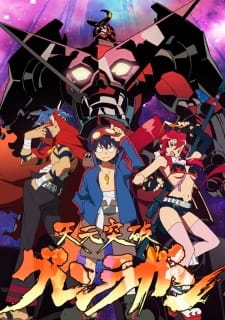
Some people say the show dies with him. They're wrong, but I get it. Kamina is magnetic. He's the big brother everybody wanted, the guy who says believe in the me that believes in you and makes it sound like gospel. His death forces Simon to grow up fast, and the kid's arc from whiny digger to spiral-powered leader is the real heart of the story. Without Kamina dying, Simon stays in his shadow forever. The show gets darker after this, but it also gets more ambitious.
The funeral scene hits hard because the animation slows down for once. You see the rain, the mud, Simon's broken expression. It's a shock to the system after all that hot-blooded yelling. But it's necessary. The first half is about breaking out of the underground, the second half is about what you do with freedom once you have it, and you can't tell that story with Kamina alive because he'd solve every problem by punching it.
The Seven-Year Jump Gets Weird
After episode fifteen or so, the show jumps forward seven years. Suddenly we've got politics, government structures, and Simon wearing a boring suit while running a city. This is where some viewers check out because the pacing shifts from nonstop action to political intrigue and existential threats about population control.
The Anti-Spirals show up as the real villains, and they're basically cosmic hall monitors who want to stop evolution because they're afraid of the Spiral Nemesis, which is a fancy way of saying too much power will break the universe. The scale goes completely nuts. We go from mechs the size of buildings to mechs the size of planets to Tengen Toppa Gurren Lagann itself, which is literally made of willpower and stands on top of galaxies.
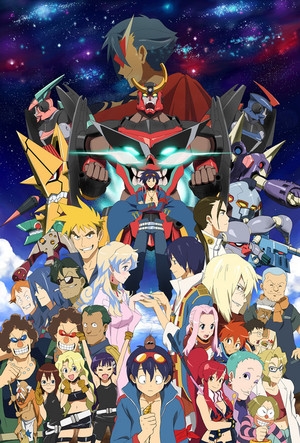
This arc has some of the best moments in anime history. The final battle is operatic nonsense where they punch through probability itself. But it also has Rossiu, who spends ten episodes being an insufferable pragmatist who tries to sacrifice people for the greater good, and Nia, who gets turned into a plot device halfway through. The tone whiplash is real. One minute we're dealing with genetic stagnation and forced sterilization, the next minute Yoko is stripping for no reason. It gets messy, and not always in the fun way.
The Problems Are Real
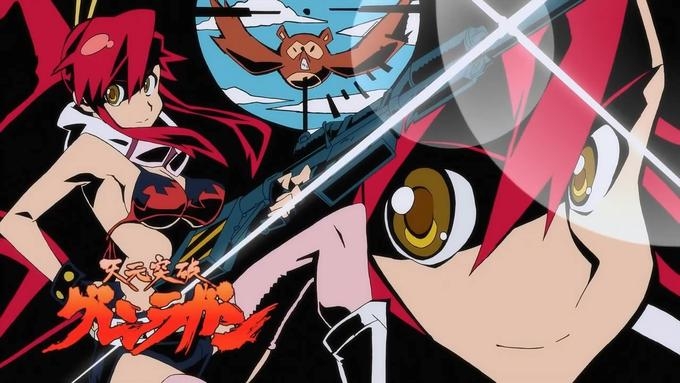
Let's not ignore the garbage because there's plenty of it. Yoko is a great character in theory. She's the sniper with actual combat skills, the foil to Kamina's hotheadedness and Simon's hesitation. But the camera treats her like a piece of meat. She's fourteen or twenty depending on the timeline but she always looks like a pinup model in a bikini, even in combat. It's distracting and gross and it undermines her competence every time.
The side characters are mostly one-note jokes. Leeron is the flamboyant mechanic, Dayakka is the tough guy, the Black Siblings are just there to fill space. When they die for drama in the second half, you don't feel it because they never got real development. They exist to shout Team Gurren and explode.
The Spiral Power mechanic is also just a deus ex machina with a physics label slapped on it. Any time the heroes are losing, they just believe harder and win. That's the point thematically, but story-wise it's lazy. There's no tension when you know Simon can just grit his teeth and grow a bigger drill. The critics over at Reddit aren't wrong when they point out that the plot feels improvised after a certain point.
The Mecha Escalation Is Unmatched
You can't talk about this show without talking about the robots. It starts with Lagann, this tiny head-thing that Simon finds underground. Then they steal Gurren, which is another head with arms and legs. They combine into Gurren Lagann. Then they capture the Dai-Gurren, which is a walking battleship. Then Arc-Gurren Lagann, which is the size of the moon. Then Super Galaxy Gurren Lagann, which is the size of a galaxy. Then finally Tengen Toppa Gurren Lagann, which throws galaxies like ninja stars.
Each form gets a new transformation sequence, new theme music, new attacks. It's power scaling gone completely off the rails, and it's beautiful. The final fight takes place in a pocket dimension where they're literally punching the concept of despair. It's the most anime thing ever committed to film, and it works because the show commits to it fully. There's no winking at the camera, no ironic distance. They treat every ridiculous development with total sincerity.
It Gave Birth to Trigger
Here's where the legacy part matters. After Gurren Lagann wrapped, Imaishi and bunch of the top talent at Gainax split off to form Studio Trigger. You can draw a straight line from this show to Kill la Kill, to Promare, to everything else they've done. The DNA is identical.
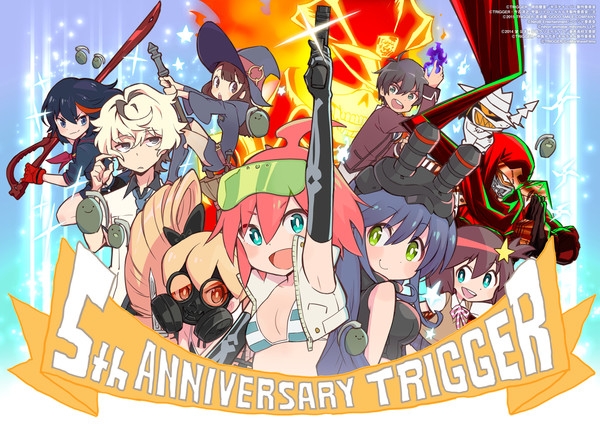
Trigger kept the spiral escalation structure, the hot-blooded shouting, the color palettes that hurt your eyes. Gurren Lagann was the prototype that proved this style could work for a full series. It also influenced Western animation. Shows like Transformers Animated and Wakfu borrowed from its kinetic energy. The Otaku Exhibition breakdown had a solid point about how this show became the optimistic counterweight to Evangelion's depression, and that balance mattered for the genre.
Even now, when mecha tries to revive itself with shows like Darling in the Franxx, they end up cribbing notes from Gurren Lagann because they can't escape its gravity. It's the high-water mark for hot-blooded robot anime, and nothing has cleared the bar since.
Why the Ending Works
Simon defeats the Anti-Spirals, saves the universe, marries Nia, and then she fades away because she was made of anti-spiral energy and the universe can't handle her existing. Simon becomes a wandering hobo who digs wells for villages. A lot of people hate this. They wanted the power of friendship to fix everything.
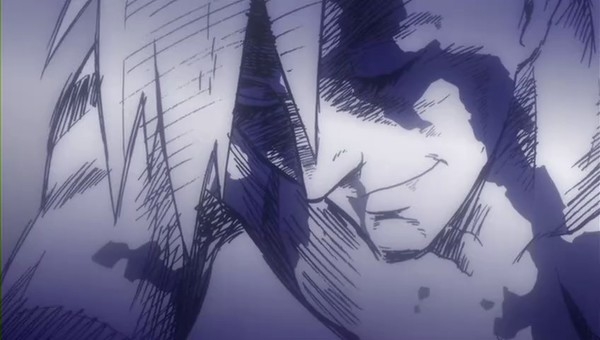
But it fits. The whole show is about moving forward and passing the torch. Simon can't stay king forever. He finishes his fight and steps aside so the next generation can spiral out without him. It's bitter and sweet and it stings in a way that most anime endings don't dare to. The final image of him walking off with that big drill while the new kids wave goodbye hits harder than any victory parade would.
The message isn't that believing hard enough saves everyone. It's that believing hard enough lets you handle the loss when you can't save everyone. That's a harder pill to swallow, and it's why the show sticks with you.
Tengen Toppa Gurren Lagann anime review and legacy writing often pretends the show is either flawless scripture or overrated noise. The truth sits in the middle. It's a messy, imperfect, occasionally brilliant piece of work that captured lightning in a bottle. The animation revolutionized how mecha could look, the story structure influenced a decade of shows, and the sheer confidence of its delivery is still unmatched.
You should watch it. Not because it's perfect, but because it commits to its bit harder than almost anything else in the medium. It will make you cringe sometimes with its bad jokes and worse fanservice. It will also make you want to punch the ceiling and scream about your own potential. That's the legacy. Not perfection, but passion so loud it drowns out the doubts.