
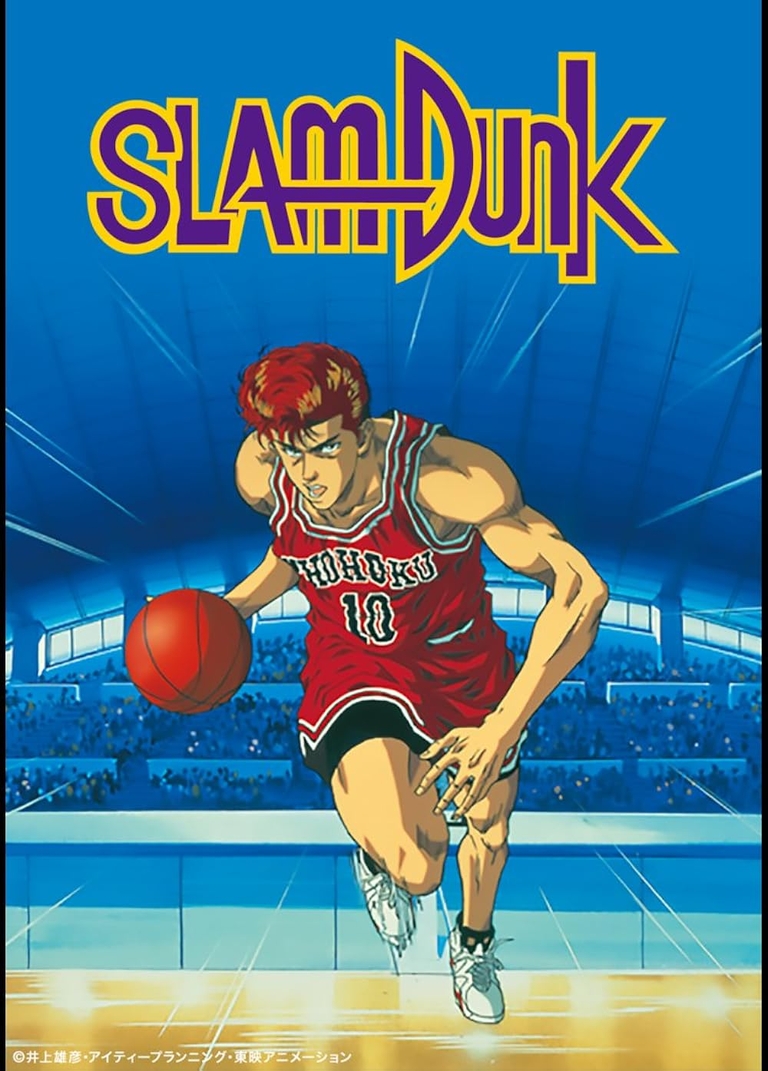
Slam Dunk anime series review starts with a hard truth most fans won't admit. The show is a complete mess of pacing problems, outdated animation, and an ending that cuts off right before the best part. It's also one of the greatest sports anime ever made and you should watch it anyway.
I keep seeing people asking if this 30-year-old series still holds up against modern stuff like Haikyuu or Blue Lock. The answer is complicated. Yes, the basketball action feels more grounded than any superpowered nonsense you'll see today. No, it doesn't have the polished animation or tight storytelling of newer series. But that's missing the point entirely. This show captures something raw about high school sports that polished productions often lose in the editing room.
The Main Character Is an Idiot and That's Perfect
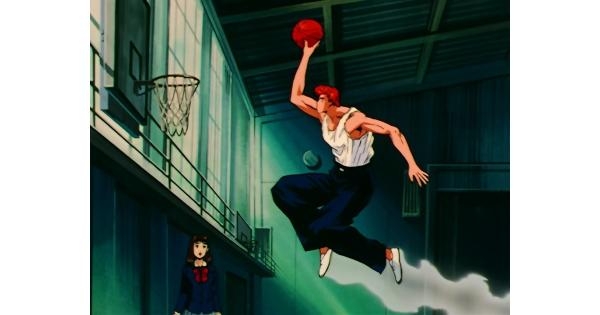
Hanamichi Sakuragi starts as a 6'2" delinquent with a ridiculous pompadour who gets rejected by fifty girls before joining the basketball team just to impress Haruko. He's loud, arrogant, violent, and completely unlikable for the first ten episodes. Then something weird happens. You start rooting for this idiot.
The series doesn't hand him talent on a silver platter. Sakuragi spends episodes learning basic dribbling, getting fouled out of games for charging, and embarrassing himself in front of crowds. When he finally dunks for the first time, it feels earned in a way that modern protagonists with instant genius never achieve. His progression from complete novice to legitimate threat follows real athletic development curves. He practices layups until his fingers bleed. He gets benched for being a liability. He fails constantly.
This realistic skill progression separates Slam Dunk from almost every other sports anime. There's no zone ability that slows down time. No magical backstory that makes him secretly talented. Just a tall guy with fast-twitch muscles learning to play a sport he initially hates. The comedy comes from his ego clashing with his incompetence, but the drama lands because you see him grinding through actual fundamentals.
The Pacing Will Test Your Patience
Let's address the elephant in the room. This anime stretches content like taffy. Single basketball possessions take multiple episodes. Characters stare at each other for thirty-second intervals while internal monologues explain exactly what just happened. You'll watch Sakuragi run down the court in slow motion while rock music plays and he remembers something his coach said three episodes ago.
Some fans claim this builds tension. They're wrong. It's padding, plain and simple. The anime caught up to the manga and had to stall for time, resulting in some of the most egregious filler in sports anime history. Entire episodes cover five minutes of game time. Recaps eat up opening segments. If you value your time, you'll need to skip episodes or prepare for serious frustration.
But here's the weird part. The slowness creates a hypnotic rhythm. You settle into the show's tempo eventually. The matches become marathons of psychological warfare rather than quick highlights. When something actually happens, like Sakuragi's first successful jump shot, it hits harder because you've been waiting so long. Is that good storytelling? Not really. Does it work anyway? Somehow, yes.
Real Basketball Mechanics Beat Superpowers
Unlike Kuroko's Basketball where players have reality-warping abilities and glowing auras, Slam Dunk sticks to actual physics. Players get tired. They miss free throws. Strategies involve pick and rolls, zone defenses, and fast breaks that real coaches would recognize. The anime teaches you basketball while entertaining you.
Take the character Hisashi Mitsui. He's a former gang leader who quit basketball after an injury, then returns to the team overweight and out of shape. His redemption arc involves him vomiting on the court from exhaustion while attempting three-pointers. No magical recovery. No second wind power-up. Just a guy pushing through physical limits until he collapses. It's brutal to watch and completely authentic to what competitive sports feel like.
The attention to technical detail extends to the coaching. Anzai runs legitimate plays. Players discuss spacing and defensive rotations. When Ryota Miyagi faces taller opponents, he uses speed and low dribbles rather than activating some secret technique. The games feel like actual high school basketball with heightened drama rather than Dragon Ball Z with a court painted on the floor.
The Supporting Cast Carries the Weight
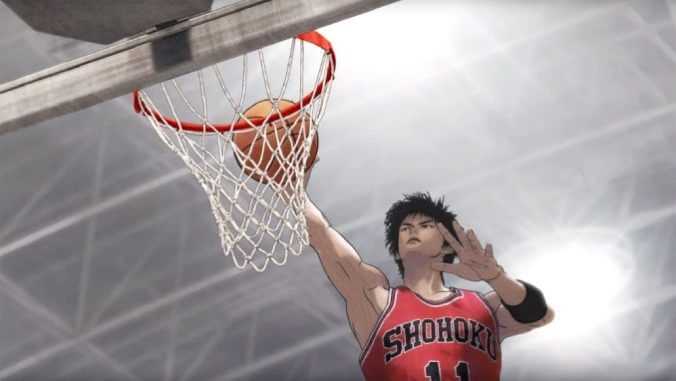
Sakuragi might be the protagonist, but the supporting players make this show special. Takenori Akagi, the team captain, balances academic pressure with athletic leadership while dealing with the "Gori" nickname that plays into unfortunate racial stereotypes about his dark skin and build. Kaede Rukawa serves as Sakuragi's rival, a naturally gifted scorer who sleeps through classes and ignores social norms. His cold demeanor contrasts perfectly with Sakuragi's hot-headed shouting.
Then there's Ryota Miyagi, the short point guard with quick hands and a tragic backstory involving his deceased brother. The recent The First Slam Dunk movie shifts focus entirely to Miyagi, giving him the character study he deserved in the original series. His history of loss and his relationship with his family add emotional weight that the main narrative sometimes lacks.
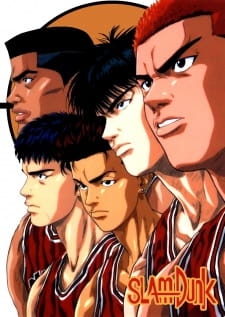
The series gives each starter a distinct personality and skill set. You remember these guys because they fight, fail, and grow together. The team chemistry feels lived-in and authentic to high school locker rooms. They bicker about snacks, compete for attention, and ultimately protect each other when things get serious.
Problematic Elements That Haven't Aged Well
We need to talk about the colorism. The anime repeatedly refers to Akagi as a gorilla because of his darker skin tone and muscular build. Other characters call him "Gori" constantly. The series also features a Black basketball player later on who gets similar treatment, though less caricatured than other anime from the era. These racial undertones reflect 1990s Japanese attitudes that feel jarring now.
The gender dynamics also frustrate. Haruko exists primarily as Sakuragi's motivation object. While she knows basketball and supports the team, her character arc centers on which player she likes rather than personal growth. The few female characters serve as love interests or cheerleaders rather than athletes with their own stories.
Does this ruin the show? No, but you should know what you're getting into. The series reflects its time period, both in animation quality and social attitudes. You can appreciate the sports storytelling while acknowledging these outdated elements.
The Anime Ending Is Infuriating
Here's where I warn you about the dealbreaker. The anime adapts roughly the first 22 volumes of the manga, then stops. It ends on a cliffhanger before the Inter-high tournament's final matches against Sannoh High, the defending champions. You never see the conclusion of Sakuragi's journey in animated form.
This isn't a conclusive ending. It's a hard stop. The team qualifies for nationals, heads to the tournament, and then the credits roll forever. To see how the story actually ends, including Sakuragi's defining moment against Sannoh, you must read the manga or watch The First Slam Dunk movie which covers that specific arc with modern CGI animation.
Some fans claim the ambiguous ending fits the themes of growth over winning. That's copium. The studio ran out of source material and never finished the adaptation. If you invest 101 episodes into this team, you deserve to see them complete their arc. Prepare to feel cheated unless you immediately follow up with the manga or the 2022 film.
Soundtrack and Voice Acting That Defines an Era
The opening theme "Kimi ga Suki da to Sakebitai" by BAAD hits different. It's pure 90s energy with electric guitars and shouted vocals that perfectly capture adolescent intensity. The background music during games uses rock instrumentals that amp up the tension even when the animation consists of still frames sliding across the screen.
The voice cast delivers performances that feel raw and unpolished in the best way. Kusao Takashi makes Sakuragi sound like a brash teenager rather than a calculated hero. Midorikawa Hikaru gives Rukawa a sleepy drawl that conveys his disinterest in everything except basketball. These aren't polished modern dubs with perfect enunciation. They're messy, emotional, and real.
Comparison With Modern Sports Anime
People always ask whether to watch Slam Dunk or Haikyuu first. That's comparing apples to oranges. Haikyuu has better animation, tighter pacing, and more sophisticated character writing. It also lacks the rough edges that make Slam Dunk memorable. Haikyuu respects your time and emotional investment. Slam Dunk challenges you to find value in its imperfections.
Kuroko's Basketball exists on the opposite end of the spectrum entirely. Where Slam Dunk grounded every play in reality, Kuroko embraces supernatural abilities and impossible physics. If you want to learn actual basketball strategy, watch Slam Dunk. If you want to see guys shooting full-court shots with laser accuracy while glowing red, watch Kuroko.
Ace of Diamond shares DNA with Slam Dunk in terms of realistic progression and frustrating pacing, though baseball allows for more natural pauses in action. Both series demand patience but reward viewers who stick around for the character development rather than just the final scores.
Why You Should Watch It Anyway
Despite every flaw I've mentioned, the incomplete ending, the filler episodes, the outdated stereotypes, Slam Dunk remains essential viewing. It captures the feeling of joining a team as a complete beginner and falling in love with a sport through sweat and failure. The comedy lands consistently even decades later because it comes from character interactions rather than pop culture references.
The series inspired an entire generation of Japanese basketball players. Creator Takehiko Inoue established a scholarship fund for aspiring athletes because the manga and anime literally changed youth sports culture in Japan. That impact doesn't happen without genuine emotional resonance.
When Sakuragi finally admits that he loves basketball after spending fifty episodes claiming he only cares about impressing Haruko, it hits harder than any tournament victory. The show understands that high school sports aren't about becoming professionals. They're about finding something bigger than yourself during those awkward teenage years when you're trying to figure out who you are.
The First Slam Dunk Movie Fixes Some Problems
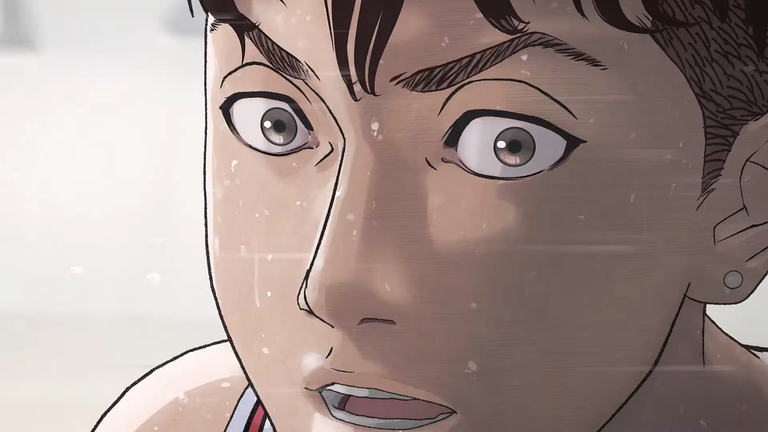
If the 101-episode commitment scares you, or if you can't handle the filler, The First Slam Dunk movie offers an alternative entry point. It adapts the Sannoh game that the anime never reached, using modern 3D CGI animation that blends traditional 2D aesthetics with motion-captured basketball movements.
The movie shifts focus to Ryota Miyagi rather than Sakuragi, exploring his family trauma and relationship with his deceased brother. This choice alienates some fans who wanted the protagonist to remain central, but it allows the film to stand alone as a complete story. You don't need the full series context to appreciate Miyagi's struggle.
The CGI looks weird at first, especially if you're used to hand-drawn 90s animation, but the basketball action flows better than anything in the original series. The camera moves freely around the court, capturing the speed and physicality that the TV show struggled to convey with limited frames. It's worth watching after you finish the anime, or even as a standalone experience if you read a quick plot summary first.
Final Verdict on This Basketball Classic
Slam Dunk anime series review conclusions always come down to managing expectations. If you want tight storytelling and modern values, look elsewhere. If you want to experience a piece of anime history that defined the sports genre while making you laugh and occasionally punch the air in excitement, this is mandatory viewing.
The show is imperfect, occasionally frustrating, and ends at the worst possible moment. It's also hilarious, emotionally genuine, and features some of the most satisfying character growth in the medium. Sakuragi's journey from zero to hero follows the classic sports template, but the execution feels personal and specific in ways that copycat series never achieve.
Watch it for the comedy. Stay for the basketball. Forgive the filler. Then immediately read the manga or watch The First Slam Dunk to get the ending you deserve. This series earned its reputation through sheer force of personality, and despite every legitimate criticism, it still deserves your attention.