
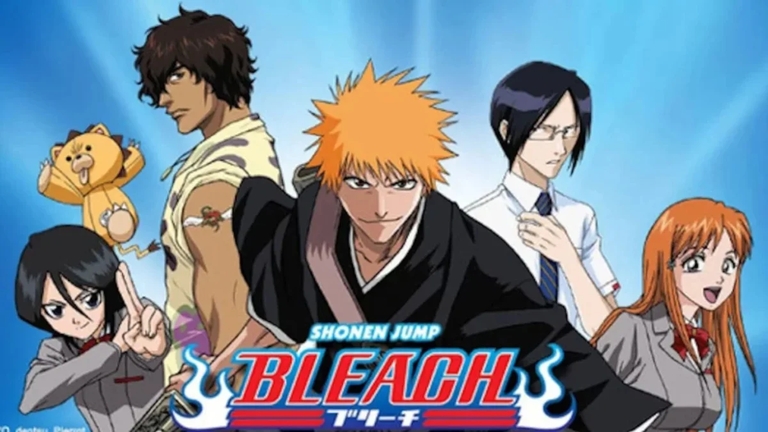
Bleach fans looking for anime like bleach usually get handed the same five titles that share zero DNA with Tite Kubo's work. Most recommendation lists just throw every shonen with a sword at the wall and hope something sticks. That's annoying. You want the specific mix of supernatural bureaucracy, sword spirits that talk back, and that weird space between the living world and the afterlife. You want that vibe where a teenager gets way too much power way too fast and has to deal with a hidden society of weirdos who have strict hierarchies and fancy uniforms. You want Bankai moments that give you chills and fights that prioritize style and speed over brute force.
The problem is most lists suggest Fairy Tail or Hunter x Hunter. Those are fine shows but they don't have that specific melancholy that Bleach carries. Fairy Tail is too happy. Hunter x Hunter is too tactical and cold. You need something with the aesthetic of a Hot Topic clearance rack mixed with genuine samurai movie influences. You need shows that understand the appeal of a sword that evolves with its user. Apparently Bleach sold over 120 million copies during its original run for a reason. sales numbers Here is the real list of what works and why each one hits different.
Jujutsu Kaisen Is Anime Like Bleach Done Modern
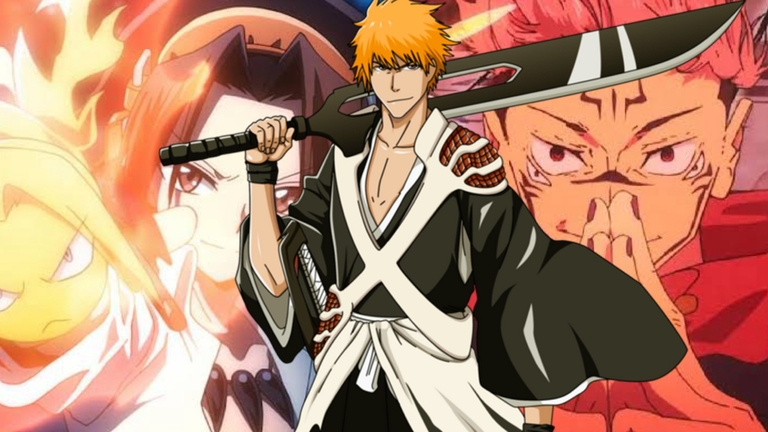
Gege Akutami has gone on record saying Bleach was a huge influence on Jujutsu Kaisen. You can see it in the bones of the story. Yuji Itadori is just Ichigo Kurosaki with a different haircut. Both are high schoolers who stumble into supernatural violence through sheer bad luck. Both have to eat something gross to get their powers. Yuji swallows a cursed finger, Ichigo gets Rukia's sword through the chest. Same difference.
The power systems mirror each other too. Cursed energy works a lot like spiritual pressure. The way characters sense each other's strength, the way techniques get named and categorized, it all feels familiar if you spent years obsessing over Bankai releases. Gojo Satoru fills that weird mentor role that Kisuke Urahara occupied. He's way too strong, he knows way too much, and he hides important information for no reason other than to mess with the protagonist.
The fights hit that same sweet spot of tactical sword combat mixed with weird magic. Yuji punching curses while carrying Sukuna inside him parallels Ichigo struggling with his inner Hollow. The animation quality is obviously better than early 2000s Bleach, but the spirit is identical. If you want something that feels like Bleach but moves faster and looks prettier, this is your show.
The curse designs also capture that same horror vibe that early Hollows had before Bleach turned every villain into a pretty boy. Jogo looks like something out of a nightmare in the same way Grand Fisher did back in the day. The domain expansion technique is basically each fighter creating their own pocket dimension to fight in, which is what Senbonzakura's Bankai does but taken to the extreme.
Naruto And The Big Three Context
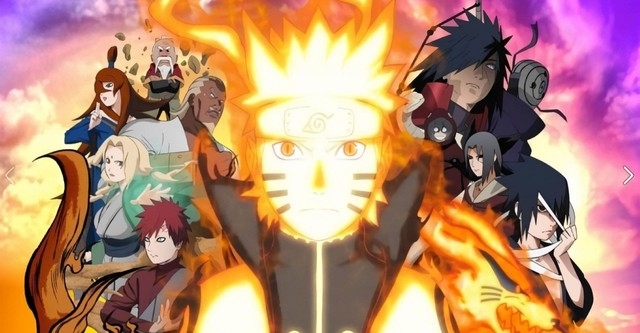
Studio Pierrot animated both Bleach and Naruto so they share that specific ugly-beautiful aesthetic from the mid 2000s. The pacing issues are similar too. Both shows suffer from filler arcs that waste your time. But if you can sit through Bleach's Bount arc, you can handle Naruto's boat episodes.
The similarities run deeper than just production house. Naruto Uzumaki and Ichigo both start as underdogs with massive power hiding inside them. Both have to prove themselves to skeptical authority figures. The Hidden Leaf Village operates with that same bureaucratic military structure as the Soul Society. You've got your specialized squads, your ranking systems, your elders making stupid decisions that the protagonist has to fix.
Where Naruto wins is in the emotional payoff. Bleach has cool moments but Naruto makes you care about the villains. The Pain arc hits harder than most of Bleach's boss fights because the story spends time making you understand why these characters are broken. If you liked the Soul Society arc's political intrigue but wished it had more crying, watch Naruto. Just skip the filler.
The Chunin Exams are the Soul Society arc of Naruto. A tournament structure where the protagonist has to fight his way up against representatives from other villages, learning new tricks and revealing hidden powers. Sasuke's retrieval arc mirrors the Arrancar arc in terms of desperation and stakes. Plus, both shows have that weird obsession with sandals and traditional Japanese clothing mixed with modern fashion.
Yu Yu Hakusho Built The Blueprint
Togashi wrote the playbook that Bleach followed. Yusuke Urameshi dies in the first episode and becomes a Spirit Detective. Ichigo becomes a Substitute Soul Reaper. Same job different business cards. Both shows feature a red headband wearing delinquent who fights demons to protect the human world while navigating a complex spirit bureaucracy that doesn't respect him.
The Dark Tournament Saga is basically the Soul Society arc with better pacing. You get the same structure. Protagonist enters a foreign realm full of powerful fighters, learns new techniques on the fly, and punches his way up the hierarchy. The Toguro brothers hit that same terrifying villain note as the early Espada.
What Yu Yu Hakusho does better is knowing when to stop. It tells its story in a tight hundred plus episodes and ends before the power scaling gets stupid. If you liked Bleach's early stuff but hated how the power levels inflated until nobody could keep track of who was stronger than who, Yu Yu Hakusho is your fix.
The Spirit Detective saga also handles the "monster of the week" format better than Bleach's early episodes. Each case Yusuke takes feels distinct and builds the world naturally. You get the sense that the spirit world is vast and complicated, just like Soul Society, but you don't get lost in a thousand characters who never get developed.
Demon Slayer And The Sword Fixation
Tanjiro Kamado doesn't use a Zanpakuto but he might as well. The breathing techniques in Demon Slayer function exactly like Bankai releases. They're flashy powerups tied to elemental themes that let the user cut through impossible threats. Tanjiro starts with Water Breathing and switches to Hinokami Kagura just like Ichigo starts with Getsuga Tensho and eventually learns... well, whatever that final form was supposed to be.
The Hashira are just the Gotei 13 Captains with different uniforms. You've got the stoic serious one, the flamboyant one, the sadistic one, and the one who looks like a kid but is ancient. The organizational structure mimics Soul Society perfectly. Demons are just Hollows that used to be human and now eat people.
The animation by Ufotable is leagues beyond what Bleach had in 2004, so you get those weighty sword clashes with particle effects that make every strike feel like it could split a mountain. If you watched Bleach for the sword fights and the cool poses, Demon Slayer gives you that but with modern budget.
The difference is Demon Slayer is more tragic. Every demon has a backstory that makes you feel bad for killing them, which is something Bleach tried with the Arrancar but never quite landed. Tanjiro's compassion hits different because he actually acts on it, not just talks about protecting people while punching harder.
Black Clover Copies The Gotei Structure
Asta is born without magic in a world where everyone has magic. Ichigo starts as a normal human who can see ghosts. Both get thrust into a magical military organization with colored squads. The Magic Knight squads in Black Clover are just the Gotei 13 with different names. You've got the Black Bulls as the rejects squad similar to how the Gotei 13 has its weird divisions.
The rivalry between Asta and Yuno mirrors the Ichigo and Renji dynamic but with more shouting. The power system involves grimoires that are basically spell books instead of swords, but the way characters unlock new abilities through sheer stubbornness is identical. Asta's anti-magic swords even transform and talk to him sometimes, which is straight out of the Zanpakuto playbook.
This show gets annoying with Asta's voice if you watch the sub, but the pacing is faster than Bleach ever was. You get tournament arcs, invasion arcs, and power reveals that hit weekly instead of dragging on for months.
The Wizard King is just a nicer version of the Captain Commander. The Clover Kingdom has that same rigid class structure that Soul Society has, where nobles look down on commoners and commoners look down on the magicless. Asta climbing that ladder while carrying three swords feels like Ichigo storming his way through the ranks of Soul Society without knowing the rules.
Soul Eater Weapon Bonds
In Bleach, Zanpakuto have spirits that live inside the swords and talk to their wielders. In Soul Eater, the weapons are actual people who can turn into swords and guns. The dynamic between meister and weapon is just the Shinigami and Zanpakuto relationship but externalized. Maka and Soul have conversations that mirror Ichigo talking to Old Man Zangetsu.
The Death Weapon Meister Academy functions like a school version of Soul Society. Students collect souls to level up their weapons, similar to how Soul Reapers purify Hollows. The witch villains give off that same weird energy as early Bleach antagonists. The art style is more cartoonish but the action choreography shares DNA with Bleach's best fights.
What makes this one weird is the symmetry obsession and the moon that bleeds. It gets stranger than Bleach ever did, but if you liked the weapon spirit aspect, this expands on that idea in creative ways.
Death the Kid's guns are literally characters named Patty and Liz who bicker with him while fighting. That's the same energy as Zangetsu yelling at Ichigo for being reckless. The Kishin are basically Vasto Lorde level threats that require the whole cast to team up, similar to the Arrancar battles.
D Gray Man Goes Darker
Allen Walker fights Akuma, which are weapons made from the souls of the dead that kill their loved ones. It's grim. Bleach gets dark sometimes but D.Gray-man stays in that depressing space where every victory costs something. The Black Order is the Exorcist version of Soul Society, complete with generals who are equivalent to Captains.
The Innocence power system works like Zanpakuto in that each weapon is unique to the user and evolves over time. Allen's Crown Clown transformation is as visually striking as any Bankai. The Millennium Earl makes for a better villain than Aizen because he actually stays threatening instead of getting nerfed by the plot.
This anime got screwed by production issues and hiatuses, so it is unfinished like the original Bleach run. But what exists is solid dark supernatural action with religious imagery that hits harder than Bleach's generic afterlife cosmology.
The Noah Family are like the Espada if they had more personality and less random power scaling. Each Noah has a specific tragic backstory and connection to the main cast that makes their fights matter. Tyki Mikk destroying Allen's arm is the same energy as Ulquiorra blasting a hole in Ichigo's chest, but with more emotional weight because they actually knew each other.
Blue Exorcist And The Dual Identity Problem
Rin Okumura finds out he is Satan's son. Ichigo finds out he has Hollow powers inside him. Both have to attend a special school to learn how to control the evil nature they were born with while protecting humans from demons. True Cross Academy is just Karakura Town with more Catholic iconography.
The parallels are obvious. Rin pulls out a sword that releases his full power but risks consuming him. Ichigo puts on a Hollow mask to get stronger but loses control. Both have younger siblings who are prodigies while they are seen as dangerous failures.
The show is shorter than Bleach and has a more contained story, though it does go off the rails in the anime original ending. Stick to the manga or the later seasons for the good stuff.
The Exorcist cram school students map onto Ichigo's group of friends. You've got the smart one, the tough one, the love interest who is more competent than the protagonist, and the rival who uses guns. It's a familiar setup but with more religious guilt.
Gintama When It Gets Serious
Yeah, I know. Gintama is a comedy show about aliens in Edo period Japan. But hear me out. When Gintama decides to do serious arcs, it becomes one of the best supernatural samurai anime out there. Gintoki Sakata fights with a wooden sword but the choreography and weight of the battles rival Ichigo's best clashes.
The serious arcs feature that same blend of sword fighting, supernatural powers, and found family dynamics that made Bleach work. The Shinsengumi captains map neatly onto the Gotei 13 structure. The fights have consequences and characters actually die, which is more than you can say for Bleach's fakeout deaths.
Plus, if you get tired of the shonen formula, the comedy episodes are a good palate cleanser. Just don't skip the serious arcs or you'll miss why this show belongs on this list.
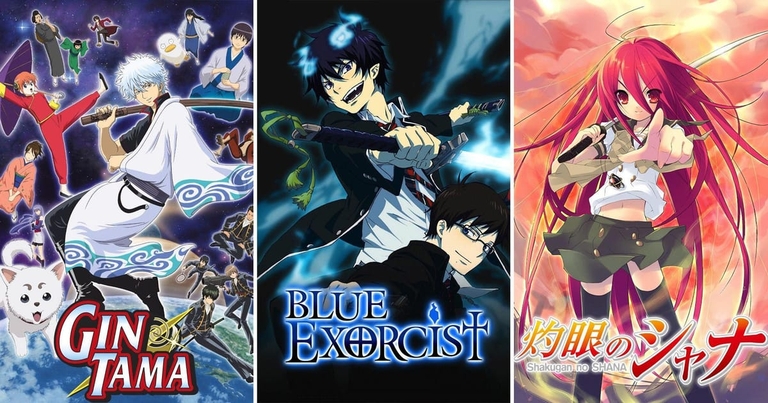
The Benizakura arc is the equivalent of the Soul Society arc in terms of raising the stakes. You see characters you thought were jokes suddenly fighting for their lives with real swords. Kagura has that same destructive power as Kenpachi but with more personality. The Kiheitai are the Visoreds if they stayed angry.
Fire Force Squad Dynamics
Atsushi Ohkubo, who made Soul Eater, also made Fire Force. You can see the Bleach influence bleeding through. The Fire Force companies are structured exactly like the Gotei 13. Each company has a Captain with a weird personality and a lieutenant who actually does the work. Shinra Kusakabe has that same angry protagonist energy as early Ichigo, complete with a dark power hidden inside him that he doesn't fully understand.
The infernals are basically Hollows. Random people turn into monsters that threaten civilians and the special forces have to put them down. The fire powers get as complex and specific as any Zanpakuto ability, with characters using second, third, and fourth generation pyrokinesis in ways that feel tactical rather than just explosive.
The fan service is annoying and the Tamaki catgirl stuff is cringe, but the fights are solid and the worldbuilding has that same secret society feel as Soul Society.
Arthur Boyle using a plasma sword is just a visual twist on a Zanpakuto. The eighth company is like a mix of the twelfth division's science and the eleventh division's combat focus. The Evangelist is Aizen if he actually succeeded in his plan and became a god.
You don't need to watch every shonen ever made to scratch that Bleach itch. Some shows get the specific combination of sword worship, hidden worlds, and moody teenagers right while others just copy the surface level stuff. I keep a list of real recommendations for when people ask. Jujutsu Kaisen and Demon Slayer are the modern hits for a reason. They understand why Bleach worked. Yu Yu Hakusho is the classic that did it cleaner. Black Clover and Soul Eater nail the organizational aspects and weapon bonds.
Avoid recommendations that focus on friendship power without the edge. Bleach was never about that. It was about looking cool while fighting monsters and dealing with internal corruption. Stick to anime like bleach that respect the darkness and the sword fights. You will find plenty to watch while waiting for the next Thousand Year Blood War episode.