
The Garden of Sinners Chapter 1 Thanatos Overlooking View analysis has to start with an admission. This movie is a mess the first time you watch it. Not a bad mess. A deliberate mess. ufotable released this 50-minute film assuming you'd already read Kinoko Nasu's web novel from 1998. They didn't care about newcomers.
You get a girl in a kimono staring at the ceiling. A guy bringing her ice cream. Some talk about floating and falling. Then dead schoolgirls start hitting the pavement outside an abandoned building. If you're waiting for someone to explain what's happening, you'll wait forever. That's not how this works.
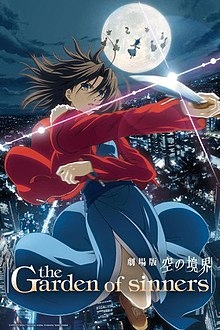
Shiki Ryougi isn't here to hold your hand. She's got a prosthetic arm made by a puppeteer magician. She can see lines on everything that show where it breaks. She's fresh out of a two-year coma and she's already cutting ghosts in half. This chapter drops you into her life without a map. It works because you feel as lost as she does. The confusion is the hook.
Why This Chapter Feels Like Starting with Page 50
Most anime starts at the beginning. Garden of Sinners laughs at that idea. Chapter 1 Thanatos sits chronologically as the fifth story in the timeline. You're watching Shiki after she's already met Mikiya, after she's already had her accident, after she's already lost half her personality. The movie doesn't tell you any of this upfront.
You see her living alone in that empty apartment. White walls. Hardly any furniture. She wears a red leather jacket over a kimono because she's weird like that. Mikiya shows up with strawberry Häagen-Dazs and they talk about nothing. Then he's in a coma. Then she's fighting ghosts in an abandoned building. The pacing is slow until it isn't.
This structure annoys people. I've seen complaints that it's trying too hard to be mysterious. They're missing the point. The story isn't being cryptic to look smart. It's showing you Shiki's headspace. She's disconnected from normal life. She doesn't think in straight lines. So the movie doesn't either. You can read more about why this nonlinear approach works at why starting in the middle makes the horror hit harder.
Shiki Ryougi Isn't Just Another Cold Girl with a Knife
Let's get this straight. Shiki acts emotionless but she's not. She's damaged. The male side of her personality, SHIKI, is gone after her coma. She's trying to figure out how to be a whole person with half the pieces missing. When she cuts off her own arm to stop a ghost from possessing her, that's not badass anime coolness. That's desperation.
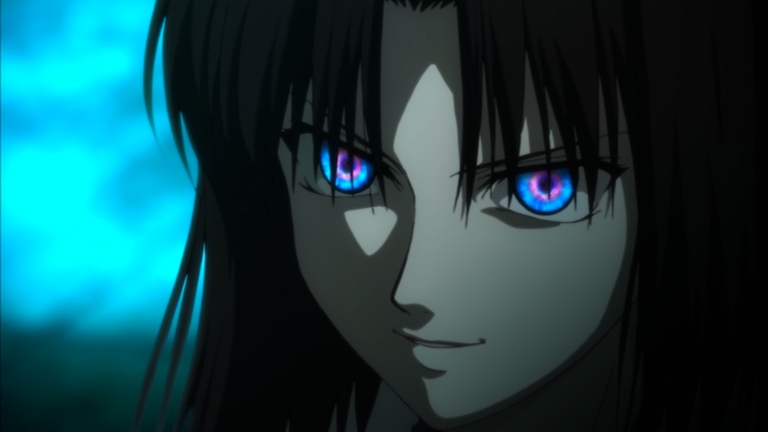
Her Mystic Eyes of Death Perception show up as glowing blue lines. She sees where things end. The movie shows this when she fights the spirits at the Fujou Building. She doesn't wave a sword around randomly. She cuts the lines that make the ghosts exist. It's precise and ugly.
People call her detached. They say she's hard to root for. That's because you're not supposed to root for her like she's a sports anime protagonist. You're supposed to watch her survive. She's fighting her own urge to kill everything while solving murders. That's the tension. She shares her name with Shiki Tohno from Tsukihime, who has similar eyes, but she's harder and colder than him.
Kirie Fujou and the Building That Eats Girls
The villain of this piece is Kirie Fujou. She's blind. She's terminally ill. She's stuck in a hospital bed somewhere else while her astral projection hangs out at the Fujou Building making schoolgirls jump off the roof. It's not personal. She's just lonely and looking for attention from someone, anyone.
Kirie can't move. She can't see. So she sends out her spirit to possess girls who want to die anyway. She makes them climb the abandoned building and fall. She thinks she's helping them float. The movie never shows her face until the end. She's just a voice and a ghostly figure in white floating above the structure.
This is where the Thanatos title comes in. It's the death drive. Freud stuff. Kirie has nothing to live for so she collects other people's deaths. The building itself becomes a character. It's derelict. Scheduled for demolition. Full of holes and rust. Just like Kirie's body. The structure mirrors her decay. Both are empty shells waiting to collapse.
The Difference Between Floating and Flying
Touko Aozaki drops the philosophy halfway through. She explains that flying means having a purpose. Floating means drifting without direction. Falling means you've given up. This isn't subtle symbolism hidden under layers. It's the whole theme written out in plain Japanese during a conversation about a bird with broken wings.
Kirie Fujou could never fly. She was stuck in that hospital bed for years with a terminal illness. She tried floating by sending her spirit out to the building. But she was really just falling the whole time, just slower. When Shiki destroys her astral projection with her knife, Kirie has nothing left to anchor her. She goes to the building herself and jumps. She finally stops floating and embraces the fall.
Shiki is different. She falls too, but she catches herself. She cuts the lines of the ghosts and lands on her feet. She's broken but she's not drifting aimlessly. That's why she survives the story and Kirie doesn't. One has direction even in pain, the other just had emptiness.
Visuals That Haunt You
ufotable went hard on this production. The backgrounds are photo-realistic in some shots. The Fujou Building looks like a real place you could find in any Japanese city that's seen better days. They blend 3D CG with 2D animation during the fight scenes. It's not perfect. The CGI ghosts look a bit rubbery sometimes, like bad video game models. But it works because the lighting is so moody and dark you don't notice the flaws until your third viewing.
The color palette tells the story better than dialogue. When Shiki is in her apartment, everything is muted. Grays and whites. Beige walls. When she's fighting, the blues of her Mystic Eyes light up the screen like neon. The blood is bright red against dark concrete. It's ugly pretty. The contrast hits your eyes.
Then there's the ice cream scene. Shiki eats strawberry Häagen-Dazs slowly while Mikiya watches. It's a weird moment of peace before the violence. The camera lingers on it for a long time. Most anime would cut this for time. Garden of Sinners lets it breathe because that quiet is the whole point. Shiki is trying to taste something normal. She's checking if she can still feel pleasure or if the coma broke that part of her.
The Prosthetic Arm Scene Explains Everything
Midway through, Shiki loses her arm to a ghost. She cuts it off herself without hesitation. Then she goes to Touko's workshop. Touko is a puppeteer. She makes dolls that are almost human. She builds Shiki a new arm that works on magic and Shiki's own soul energy.
This scene is exposition heavy but it doesn't feel like a school lecture. Touko smokes constantly and talks about how the arm connects to Shiki's body through magical nerves. She explains that Shiki isn't quite human anymore. She lives in the gaps between life and death. That's why she can see the lines where things die. Apparently this mechanic is explored in more detail in the original light novel version, which has more internal monologue about the process.
The arm itself is creepy looking. It looks almost real but moves wrong, like a marionette. Shiki has to get used to it before she fights again. It's a physical manifestation of her broken state. She's literally held together by magic and willpower at this point. The arm creaks and clicks when she moves it wrong.
Mikiya Kokutou's Coma and Why He Matters
Mikiya spends most of this movie unconscious in a hospital bed. Kirie possesses him because she likes him. She thinks he's kind. She saw him visiting Shiki and wanted that attention for herself. He is kind. That's his whole deal. He sees Shiki's weirdness, her violence, her detachment, and he doesn't run away. He brings her ice cream and sits with her in silence because he knows she doesn't want to talk.
When he wakes up at the end, he doesn't remember much. Just fragments of being somewhere else, floating. He goes back to Shiki's apartment like nothing happened. They eat ice cream again. Shiki blushes when he compliments her. It's a small moment but it lands hard because of how bleak everything else was.
Mikiya is the normal heart of this weird story. He grounds Shiki. Without him, she'd just be a killing machine wandering around cutting things. With him, she's a person trying not to kill. That's the romance here. Not flowers and dates. Just someone who stays even when you're scary.
What Changed from the Novel
The light novel version of Fukan Fuukei is more internal and psychological. You get Shiki's thoughts directly, her confusion, her anger. The anime has to show you through action and facial expressions. It adds the fight scenes that the book mostly skips or describes briefly. In the novel, Shiki just kind of walks through the building calmly. In the movie, she's doing backflips and cutting ghosts with acrobatic kicks.
The novel also has more backstory about Shiki and Mikiya's high school days and how they met. The movie cuts that because it assumes you already know or you'll figure it out later in Chapter 2. This annoys some purists. They want the internal monologue about her grandfather's training. But the anime trades that for atmosphere and speed. You don't know what she's thinking. You just watch what she does and guess.
Touko gets more screen time in the film too. She's the explainer character. She talks about magecraft and the Root and all the Nasuverse background stuff. In the book, it's more scattered through different conversations. The movie concentrates it into the workshop scene so they can get back to the action faster.
Why This Works as an Entry Point Despite the Confusion
Look, starting here is weird. Chronologically, you should watch Chapter 2 first. That's the high school romance origin story that explains how Shiki and Mikiya met. But starting with Overlooking View throws you into the deep end immediately. You learn to swim fast or you drown in the jargon and mood.
It establishes the tone right away. This isn't Fate/Stay Night with its clear rules about servants and holy grail wars. This is messy urban fantasy where people die because they're sad and ghosts linger because they can't move on physically or emotionally. The magic system isn't explained with a tutorial or a teacher character. You pick it up as you go from context clues.
If you survive this chapter, the rest of the series clicks into place. You learn to read the atmosphere instead of waiting for exposition dumps. You learn that Shiki's silence means more than other characters' long speeches. It's a filter. If you get through this without turning it off, you're ready for the heavy psychological stuff in later movies. Many viewers report that the story only clicks after watching multiple chapters.
The Soundtrack Carries the Mood
Yuki Kajiura did the score. You know it's her because of the chanting choirs and Latin vocals that don't mean anything specific but sound religious. It sounds like a church service for dead people. Then Kalafina's "Oblivious" plays at the end. The lyrics are about not being able to see the future or know what's coming. Perfect for Shiki's character who lives in the moment because she can't plan ahead.
The music doesn't let up even in quiet scenes. Even when they're just talking, there's this low drone going in the background. It keeps you uncomfortable and on edge. When the action starts, the violins go crazy and the drums pound. It's not background noise. It's a character telling you how to feel because Shiki won't tell you herself.
The Suicide Theme and How It Lands
This movie is about girls killing themselves. That's heavy subject matter. Some critics say it handles this badly or insensitively. They say it makes suicide look selfish or weak. I don't think it's that simple or one-sided.
Kirie isn't evil. She's sick and lonely. The girls she takes already want to die. She's not pushing healthy happy people off roofs. She's giving a final nudge to those who were already standing on the edge looking down. That's still wrong. It's still murder. But it's complicated wrong born from mental illness, not malice.
The movie doesn't celebrate this or glorify it. It shows the bodies hitting the ground. It shows the empty shoes left on the roof. It shows Kirie's own death as tragic and small, not triumphant. Shiki doesn't save her or redeem her. She just stops her from taking others. Then Kirie jumps anyway because she has nothing else. That's bleak. That's the point. It's not saying suicide is good. It's saying isolation kills.
Shiki's Dual Nature Hints
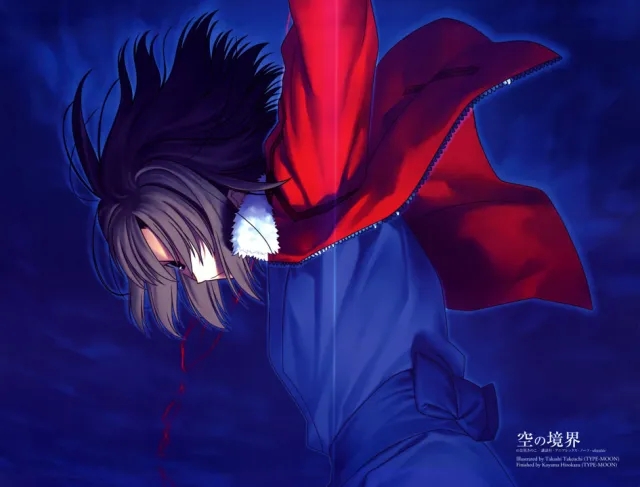
You won't catch this on first watch, but Chapter 1 is full of hints about SHIKI. The male personality that used to share Shiki's body before the accident. When she says "I don't have a wish," that's actually SHIKI's voice speaking through her. When she cuts herself without flinching, that's his influence on her pain tolerance.
The movie never explains this directly. It just shows her talking about herself in third person sometimes. Her weird speech patterns where she switches between "I" and "me" differently. Her attraction to Mikiya despite claiming not to understand love or emotions. It's all setup for Chapter 2 and Chapter 5 where this becomes the main focus. This chapter plants seeds you don't see blooming until hours later in the series.
Garan no Dou and the Setup
Touko's detective agency gets introduced here. Garan no Dou. The Hollow Shrine. It's a weird office full of puppets, cigarette smoke, and magical tools. Mikiya works there as an assistant doing research and paperwork. Shiki does the violent field work when ghosts show up.
This establishes the monster-of-the-week format, though Garden of Sinners isn't really that simple. Each chapter focuses on a different supernatural mystery or curse. This one is the ghost suicides. The agency gives structure to the chaos. Without Touko paying the bills and Mikiya doing the background research, Shiki would just wander around cutting things randomly without purpose. It grounds the fantasy in an office job reality.
The 1998 Setting and Atmosphere
The story takes place specifically in September 1998. Pre-smartphone era. Pre-internet as we know it. The abandoned building feels more isolated and scary because you can't just google what's happening there or call for help easily. The city is Mifune City, fictional but based on real urban decay in Japanese cities during the economic recession of the 90s.
The 90s aesthetic is strong and specific. The cars on the street. The fashion with big jackets. The way people smoke indoors in restaurants. It adds to the grit. This isn't a sanitized modern anime with clean streets. It's dirty and specific to that time period when Japan felt like it was crumbling economically. That mirrors Kirie's physical decay.
Comparisons to Nasu's Other Work
If you came from Fate/Stay Night, this feels totally different. No servants or heroic spirits. No holy grail war. Just messed up people with psychic powers hurting each other. The magic here is smaller and more personal. Kirie's astral projection isn't grand magecraft. It's just what she can do because she's dying and desperate.
Tsukihime fans will recognize the Mystic Eyes of Death Perception. Shiki Tohno has similar powers in that visual novel. But Shiki Ryougi is harder and colder than Tohno ever was. The Garden of Sinners is Nasu's most adult work. Not because of violence or gore, though there's plenty. Because it deals with adult themes like chronic illness, isolation, and the crushing weight of continuing to live when you don't see the point anymore.
Why the Short Runtime Helps
At 50 minutes, this doesn't overstay its welcome or drag. It hits hard and ends before you get tired of the mood. You don't get filler scenes or padding. Every scene matters to the character or the theme. The ice cream. The arm repair. The fight. The final jump. It's tight and lean.
Longer movies sometimes stretch the mystery out too long and lose tension. This one knows when to quit. It leaves you with questions but not frustration. You want to know more about Shiki's past. More about Mikiya's family. More about why Touko makes those creepy dolls. So you click on Chapter 2 immediately. That's smart storytelling.
The Garden of Sinners Chapter 1 Thanatos Overlooking View analysis comes down to this. It's a filter. It separates viewers who want easy answers and hand-holding from those who can sit with discomfort and ambiguity. Shiki doesn't explain herself. The plot doesn't stop to teach you the rules. You either vibe with the melancholy and the slow pace or you bounce off and watch something else.
If you stick around, you get one of the best anime series ever made. But you have to earn it. You have to watch the ice cream melt slowly. You have to see the girls fall from the building. You have to understand that sometimes floating is worse than falling because at least falling has an end point while floating is just endless drifting.
This chapter sets the rules for everything that follows. Magic is pain. Seeing too much breaks your mind. And the girl with the knife is just trying to hold herself together with thread and willpower. Watch it twice. The first time confuses you. The second time breaks your heart because you know what's coming for everyone involved.