
Everyone doing a Naruto Shippuden Akatsuki arc analysis talks about Pain blowing up the Leaf Village like it’s the only thing that matters in Shippuden. They go on about the big explosions and the red cloud symbols and the Rinnegan eyes like that’s where the story peaked. But if you’re looking at what actually works in this series, you can’t skip the stuff that hits harder than any planetary devastation ever could. I’m talking about Asuma’s cigarette burning out on the battlefield while Shikamaru watches his teacher bleed out. That moment hits different. It hits harder than Pain’s Almighty Push because it’s personal and it’s messy and it’s about people actually dying when they get stabbed instead of getting magic revival powers later.
You probably forgot how good the Akatsuki Suppression Mission was because the War Arc dragged on for eighty years with zombie ninjas and alien goddesses. But back when Hidan and Kakuzu were walking around, the series still remembered that ninjas are supposed to be clever and die when you cut their heads off. The stakes were real. Asuma stayed dead. Jiraiya stayed dead. The Pain Arc worked because it built on that foundation of real loss instead of pretending Genjutsu fixes everything. Some fans think the stretch from Suppression to Five Kage represents the only good parts of Shippuden, and honestly they’re not wrong.
Naruto Shippuden Akatsuki Arc Analysis Starts With Team 10
The Akatsuki Suppression Mission spans episodes 72 to 88 and it’s weird because Naruto isn’t even the main character for most of it. That’s what makes it good. The arc breakdown shows that when you give the screen to Shikamaru Nara and let him process grief like a real human instead of just screaming about friendship, you get the best writing in the entire series.
Asuma Sarutobi was that teacher who saw something in Shikamaru beyond the lazy genius act. He played shogi with him and smoked those awful cigarettes and treated him like a son rather than just another genin. When Hidan kills him, it’s not heroic. It’s ugly. Asuma gets caught in that Jashin ritual and suddenly he’s bleeding from wounds he didn’t earn while his students watch helplessly.
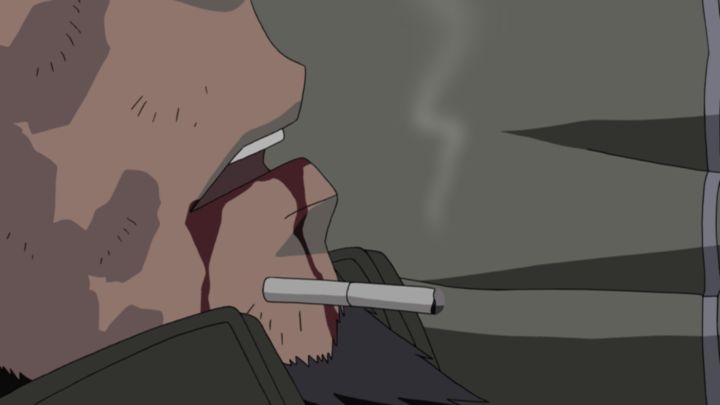
You see that cigarette burning on the ground in the shot after he dies and it’s more powerful than any tailed beast bomb. That’s visual storytelling that doesn’t need a voiceover explaining the symbolism. Shikamaru picks up that smoking habit later and it’s not cool, it’s sad. He’s carrying the weight of his teacher’s death in his lungs.
Hidan and Kakuzu work as villains because they’re not trying to collect all the tailed beasts to become god or whatever. They’re just two weird guys with weird abilities who happen to be immortal. Hidan’s whole religion thing is annoying in the best way. He’s loud and obnoxious and you want him to lose because he killed your favorite teacher, not because he’s threatening the world. Kakuzu having multiple hearts and that grumpy old man energy makes him feel different from every other Akatsuki member who just stands around looking mysterious. They feel like actual threats because they kill Asuma and nearly kill the rest of Team 10 before backup arrives.
Why Shikamaru's Revenge Plot Hits Harder Than Sasuke's
Shikamaru doesn’t scream about avenging Asuma. He sits in the dark and plays shogi with his dad and cries quietly. That scene where Shikaku asks him what’s wrong and Shikamaru breaks down is one of the best acted moments in the series. He’s not trying to destroy the village or join the bad guys. He just wants to kill the guy who killed his teacher and he’s smart enough to know he needs a plan.
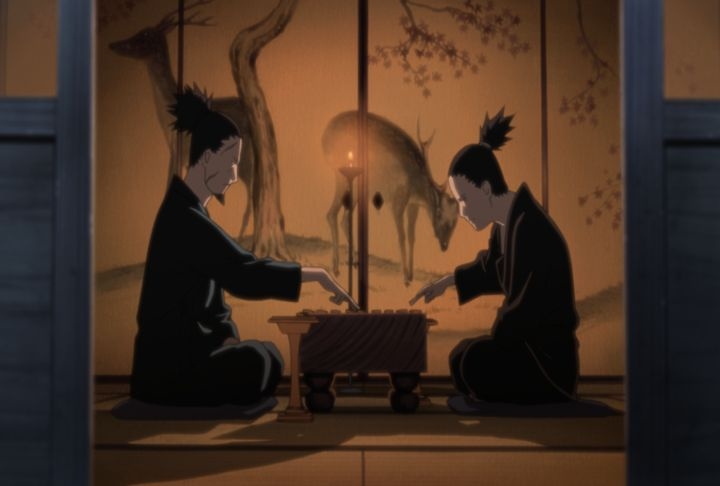
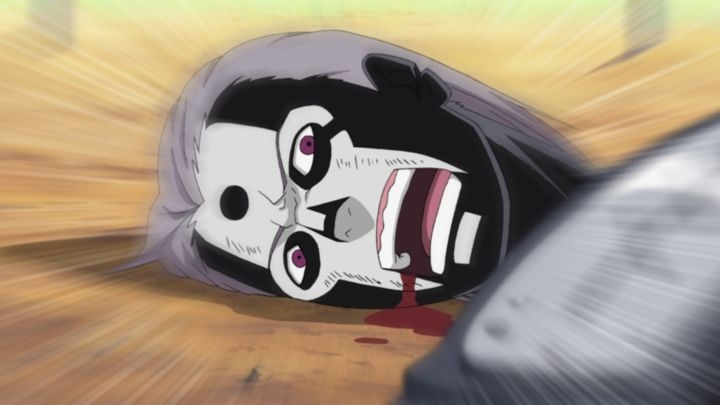
He spends the episodes between Asuma’s death and the rematch preparing traps. Not training some new eye technique or getting a powerup from a dead ancestor. Just setting up explosives in a forest and calculating angles. When he finally lures Hidan away from Kakuzu and buries him alive, it’s satisfying because he outsmarted an immortal. He didn’t overpower him. He didn’t talk no jutsu him into being good. He just buried the bastard so deep underground that even if Hidan lives forever, he’s stuck there starving and screaming. That’s brutal. That’s good writing.
Meanwhile Ino and Choji actually get to do stuff too. Choji isn’t just the fat comic relief. He’s holding Asuma while he dies and later he’s fighting for real against Kakuzu. Ino’s mind transfer jutsu actually matters in the strategy. It’s team fighting that requires coordination instead of just who has the bigger chakra avatar.
Naruto's Training and the Rasenshuriken Debut
While Team 10 is dealing with death, Naruto is off training with Kakashi and Yamato. This is the part where he develops the Wind Release Rasenshuriken. People sleep on this training arc but it’s important because it shows Naruto working for his power instead of having it handed to him by a reincarnated god later.
He’s cutting leaves and waterfalls and failing over and over. Kakashi explains chakra natures in a way that actually makes sense for once. Yamato’s wood style keeps Naruto from going nine-tails while he practices. It’s solid character building that pays off when Naruto shows up late to the party and one-shots Kakuzu with that new jutsu.
The Rasenshuriken looks cool because it’s not just a blue ball anymore. It’s a shuriken made of wind chakra that attacks on the cellular level. When it hits Kakuzu, it destroys his hearts and leaves him unable to regenerate. That’s the first time Naruto kills an Akatsuki member and it feels earned because we watched him train for it instead of pulling it out of nowhere.
The Pain Arc Understands Scale Without Losing Soul
Then you get to the Pain Arc and everything gets bigger. Pain destroys the entire village with one push. Jiraiya dies fighting the Six Paths. It’s massive. But it still works because the emotions stay small and personal. Pain isn’t just a villain. He’s Nagato, a kid who lost everything and thinks he’s saving the world by making everyone feel pain. That’s a philosophy you can argue with. It’s not just "I want infinite power" like Madara later.
Jiraiya’s death hits hard because he actually stays dead. No Edo Tensei bringing him back to fight for the bad guys later. Well, technically he comes back in the War Arc but that’s stupid and we’re ignoring that. In the Pain Arc, when he sinks to the bottom of the ocean, he’s gone. Naruto finds out while he’s eating ice cream on a bench and just walks off into the woods to process it. That quiet moment hits harder than any scream.
The invasion itself is chaos. Kakashi dies protecting Choji. Shizune gets her soul ripped out. Konohamaru kills one of the Pains with a Rasengan and it’s awesome because he’s this little kid stepping up. Then Naruto arrives in Sage Mode on the toads and it’s the coolest entrance in the series. He’s actually strong now. He earned that strength through training with the frogs. He’s not just the nine-tails kid anymore. He’s a sage.
The Hinata Confession and What Should Have Happened
When Hinata jumps in to fight Pain and gets stabbed, and she confesses her love while bleeding out, that should have changed everything. The anime makes it look like Naruto goes six-tails because he’s sad about his friend dying, but come on. He heard her. The way he releases control of the nine-tails there is terrifying. He goes up to eight tails and almost releases the full beast.
Then Minato shows up in his psyche and fixes everything. That’s the one cheap part of the arc. But everything else lands. When Naruto confronts Nagato in the rain and talks to him instead of killing him, it’s the culmination of Jiraiya’s teachings. He breaks the cycle of hatred for real, not just with words but by understanding Pain’s trauma.
Nagato uses Rinne Rebirth and brings everyone back. Okay, yeah, that’s a cheap revival button. But at least Jiraiya stays dead. The village gets rebuilt. Naruto becomes the hero of the Leaf. It feels like an ending. Some fans think it should have ended there and honestly they’re not wrong. Sasuke’s story could have wrapped up in a smaller arc. We didn’t need the Fourth War.
What the War Arc Forgot That These Arcs Remembered
Then the War Arc happens and it’s a mess. Suddenly everyone is fighting zombie versions of dead characters. The stakes get so big they become meaningless. Madara shows up and he’s cool but he’s just too powerful. Then Kaguya appears and she’s an alien goddess and nothing matters anymore.
The Akatsuki Suppression Mission and Pain Arc worked because they were about specific people with specific grudges. Asuma died because Hidan had a weird religious ritual. Jiraiya died because he underestimated his former students. These were preventable deaths that happened because of character choices, not because some god decided to cast Infinite Tsukuyomi.
CBR made a solid point that the Suppression Mission might be the best arc because it’s tight. It’s only about 17 episodes and every single one matters. There’s no filler. It’s just plot and character. The Pain Arc is longer but it’s equally focused. It knows where it’s going. The War Arc gets criticized for dragging on forever and making everyone irrelevant except Naruto and Sasuke. In the Akatsuki arcs, Shikamaru can defeat an immortal with prep time. Ino and Choji matter. Kakashi matters. When the power scale jumps to planet busters, regular ninjas can’t do anything. That’s boring.
The strategic battles disappear. Remember when Shikamaru spent episodes setting up traps? In the War Arc it’s just who has the bigger Susanoo or who can throw the most Bijudamas. The Akatsuki members were scary because they were different. They had weird abilities that required you to think around them. The Edo Tensei zombies just regenerate forever and spam their strongest moves. It’s not the same.
The Difference Between Immortality and Invincibility
Hidan and Kakuzu were immortal but beatable. You could cut Hidan’s head off and he’d complain about it. You could destroy Kakuzu’s hearts one by one. It took strategy. Pain’s Six Paths each had specific abilities you had to figure out. The Animal Path summons stuff. The Deva Path pushes and pulls. The Preta Path absorbs chakra. You had to learn these rules and work around them.
Later villains just have infinite chakra and regeneration. There’s no tension. You know Naruto and Sasuke will win because they’re the reincarnations of gods. In the Akatsuki arcs, Naruto could still lose. He almost did against Pain if Hinata hadn’t jumped in. He needed backup against Kakuzu. The fights felt dangerous.
Character Development Versus Power Development
Shippuden started with Naruto needing to get stronger to save Sasuke. That was the whole point. The Akatsuki arcs deliver on that. He trains for the Rasenshuriken specifically because he saw how weak he was compared to Sasuke. He learns Sage Mode because he needs to beat Pain. These are earned improvements.
After Pain, he just gets handed power-ups. Kurama becomes his friend out of nowhere. He gets Six Paths chakra from the Sage of Six Paths himself. Sasuke gets the Rinnegan because reasons. It stops being about the characters growing and starts being about who has the bigger number in their power level.
Shikamaru’s growth in the Suppression Mission is about him becoming a leader and dealing with loss. That’s interesting. Naruto becoming Jesus is not.
The Economics of Akatsuki and World Building
One weird detail that makes the Suppression Mission good is that it shows the bounty system. Kakuzu is obsessed with money. He’s at the bounty station counting cash while Hidan kills people. It’s a reminder that the ninja world has an economy. The Akatsuki are funding their war by taking bounties on ninja heads. That’s smart world building.
Later arcs forget that ninjas need to eat and get paid. Everything becomes about chakra and destiny. But in these episodes, the Akatsuki are still organized criminals with a business model. They’re selling their services to villages. It grounds the fantasy in something real.
The Will of Fire Versus Revenge
Shikamaru’s arc is about learning what the Will of Fire actually means. Asuma tells him the "king" is the future generation. When Shikamaru goes to kill Hidan, he’s not doing it for blind revenge. He’s removing a threat to the village and honoring his teacher’s sacrifice. He tells Hidan that he’s not just killing him for fun. It’s duty.
That’s mature. That’s a character understanding what it means to be a ninja in Konoha. It’s not about being the strongest. It’s about protecting the next generation. Shikamaru gets that and it makes him the most grown-up character in the series by the end of this arc.
The Problem with Edo Tensei
The War Arc ruins the Akatsuki’s legacy by bringing them back as zombies. Hidan doesn’t come back which is good because he’s buried, but Deidara, Sasori, Itachi, and Nagato all get revived. It cheapens their deaths. Asuma comes back too and has to fight his own students. It’s drama manufactured from nostalgia instead of moving forward.
The original Akatsuki arcs work because death is final. When Asuma stays dead, it matters. When the Edo Tensei lets everyone return for a rematch, the original battles lose their impact. You start thinking "well they’ll just come back later anyway."
The Rain Village Aesthetic
The hidden rain village looks amazing in these arcs. It’s always raining. It’s industrial and sad. Pain’s tower dominates the skyline. It feels like a real place that suffered. When Jiraiya walks through it in disguise, you feel the oppression. The grey color palette matches the themes.
Konoha during the invasion is destroyed so thoroughly that you feel the loss. The crater where the village used to be is haunting. Studio Pierrot really tried during the invasion. The animation is solid. Buildings actually fall apart. You see civilians running. It’s not just off-screen destruction.
Why These Arcs Stand the Test of Time
You can go back and watch episodes 72 through 175 of Shippuden and they hold up. The fights are choreographed well. The emotional beats land because they’re built on relationships we saw develop in Part 1. Asuma taught Team 10 in the original series. Jiraiya trained Naruto for years. When they die, it hurts.
The Pain Arc specifically has some of the best directed episodes in the series. The music is perfect. The voice acting when Shikamaru cries or when Naruto finds out about Jiraiya is top tier. The strategic battles require you to pay attention. When Shikamaru figures out the secret to Hidan’s ritual, he explains it once and moves on. He doesn’t explain it three times while Hidan stands there waiting. The writing respects your intelligence.
The Akatsuki arcs represent Naruto Shippuden before it jumped the shark. They’re about ninjas being ninjas. They’re about strategy and loss and bonds that actually matter. Shikamaru burying Hidan alive while smoking Asuma’s cigarette is more memorable than any tailed beast bomb. Naruto arriving in Sage Mode to face Pain is cooler than any Six Paths powerup.
If you’re going to rewatch Shippuden, stop after the Pain Arc. Pretend the War Arc is bad fanfiction. The story of Naruto becoming a hero who saves the village and earns respect ends there. Everything after is just noise. The Akatsuki were the perfect villains because they were human-scale threats with human-scale emotions. Hidan was a religious nut. Kakuzu was a greedy mercenary. Pain was a traumatized orphan. Madara was just power-hungry. Kaguya was an alien. See the difference?
Naruto Shippuden Akatsuki arc analysis isn’t just about ranking fights. It’s about recognizing when the series cared about its characters more than its power scaling. That’s why these episodes are untouchable. That’s why Team 10’s revenge hits harder than the Fourth War ever could.