
People keep calling Mafuyu Sato shy and thats completely missing the point. Mafuyu Satos backstory and emotional path isnt about a quiet boy learning to speak up. Its about a kid who got beaten by his own father for talking too much, watched his boyfriend kill himself after a fight they had, and spent a full year unable to sleep through the night without nightmares. The silence isnt personality. Its armor. Its a medical condition caused by childhood abuse and it doesnt go away just because someone is nice to you.
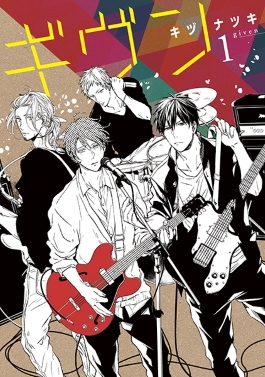
When you first see him sitting on that staircase with the broken guitar, he looks like your typical anime introvert. Big eyes, soft voice, doesnt say much. But theres a difference between being quiet and being trapped inside your own head because words got you hit as a child. Mafuyu isnt shy. Hes traumatized. And Given doesnt treat that like a quirk to fix in twelve episodes. It treats it like the messy, years-long process it actually is. The show refuses to give you a clean recovery arc because those dont exist in real life.
The show puts you through his grief in real time. You dont get a flashback episode that explains everything and then hes fine. You get fragments. You get the way he stops mid-sentence when hes unsure. You get the way he stares at snow like its personally wronged him. You get the screaming. Fans want to baby him and treat him like a cute mascot but that does a disservice to the writing. Mafuyu is tough in ways that arent obvious. He survived things that would break most people and he kept walking. He kept going to school. He kept breathing. That is heroism even if it doesnt look like anime heroism.
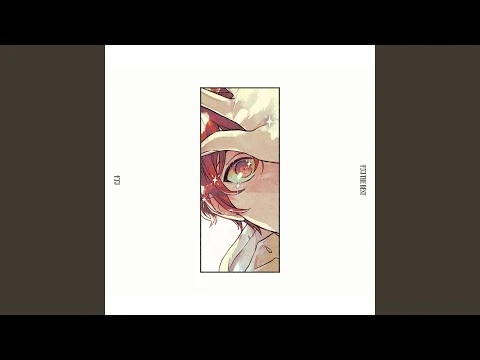
The Beatings That Created The Armor
Mafuyu didnt stop talking because he was born introverted. He stopped because his father hit him when he spoke. This isnt fan theory. Its in the manga. His dad was abusive and specifically targeted Mafuyus voice. So Mafuyu learned that words equal pain. He went selective mute not as a cute character trait but as survival. When you are six years old and you get a black eye for asking for water, you learn to ask with your eyes instead. You learn that silence keeps your ribs unbroken. You learn that making noise invites violence.
You see this in how he communicates early in the series. He texts constantly because its safe. The screen cant hit you. He hums because music doesnt get you punished. When he does speak, its blunt and direct, almost aggressive in its simplicity. He says exactly what he means because he never learned the social buffering that other kids pick up. He didnt have normal childhood conversations. He had silence and fear and the occasional scream from the other room. He didnt learn about sarcasm or white lies or small talk. He learned that speech is dangerous and should be rationed like food in a famine.
Yuki Yoshida was the first person who made him feel like talking was okay. Yuki was loud and bright and demanded space in a way that didnt hurt Mafuyu. He pulled words out of Mafuyu like a magician pulling scarves from a sleeve. But that created a dependency. Mafuyu didnt learn to talk for himself. He learned to talk for Yuki. So when Yuki died, the silence came back stronger than before because now it had grief layered on top of the trauma. Now words didnt just get you hit. They killed people. They killed the one person who made the world make sense.
The anime shows this in small details that you miss if you blink. Mafuyu touches his throat when hes anxious. He looks at his hands like they belong to someone else. He sits in the back of rooms near exits because he needs to know he can run. He orders the same food every time because new choices require new words and new words are scary. These arent artistic flourishes. These are the physical markers of a kid who grew up in a war zone where the enemy was his own dad and the weapon was his own voice.
Yuki Was A Person Not Plot Fodder
Most anime would treat Yuki as backstory fodder. The dead boyfriend mentioned in episode three to explain why the protagonist is sad. But Given makes you understand that Yuki was a real, flawed, living person who took up space. He was charismatic and annoying and talented and he loved Mafuyu with an intensity that was maybe too heavy for two teenagers to carry. He smoked too much. He left his clothes on the floor. He wrote bad poetry and thought it was deep. He was alive.
They grew up together in the same neighborhood running through alleys and stealing kisses behind convenience stores. Yuki was Mafuyus safe person, his voice, his translator to the world. When Mafuyu couldnt order food at the diner, Yuki ordered for him. When Mafuyu couldnt say he was hurting, Yuki knew anyway because he had memorized the specific silence that meant pain versus the silence that meant sleep. But Yuki was also struggling with his own stuff. The manga and side materials show he had his own darkness, his own family issues, his own inability to communicate without drama. He was jealous and possessive and he drank too much on weekends.
And they fought. Right before Yuki killed himself, they had a fight about something stupid, something normal that any couple says when they are tired and seventeen and dont know how to say I am scared of losing you. Mafuyu said something angry and Yuki went home and hung himself in his closet with the guitar strap. The guitar that Mafuyu now carries everywhere.
Mafuyu carried that like it was a physical weight pressing down on his chest until he couldnt breathe without pain. He believed his words killed Yuki. The thing his father punished him for, speaking, had now apparently murdered the person he loved most. So he stopped talking entirely. Not just quiet. Stopped. He spent a year having nightmares where Yuki blamed him, where Yuki pointed at him with accusatory fingers made of bone and said you did this. He couldnt sleep. He carried the guitar Yuki gave him but couldnt play it because playing meant feeling and feeling meant breaking into pieces that would never fit back together. He would sit in his room and stare at the instrument for hours without moving, his fingers hovering over the strings but never pressing down, paralyzed by the weight of what the sound would release.
Hiiragi and Shizusumi knew Yuki too. They were the bandmates, the friends, the ones who found the body. They carry their own guilt about not seeing the signs. When they interact with Mafuyu, theres this terrible tension because they all loved the same dead boy and they all failed him in different ways. Mafuyu blames himself for the fight. Hiiragi blames himself for not checking on Yuki that night. Shizusumi blames himself for being too cowardly to intervene in their fights. Its a triangle of grief that keeps pulling Mafuyu back into the winter of that death, trapping him in December while the rest of the world moves to spring.
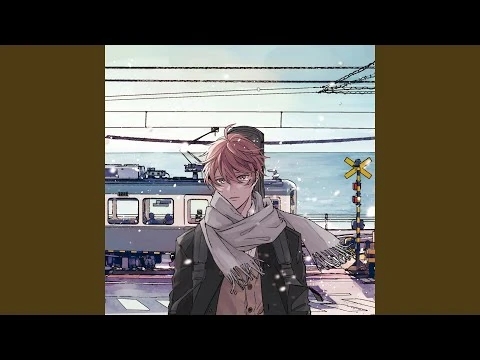
The Guitar String That Wouldnt Stay Broken
The guitar is the central object of the entire series and its messed up how people miss what it represents. Its not just an instrument. Its a trauma object. Yuki gave it to him. Yuki was going to teach him to play. They were going to start a band together. Then Yuki died and the guitar sat there like a coffin with strings, a constant reminder of the future that got cancelled. It was a Gibson, expensive and heavy, and Mafuyu carried it to school every day even though he couldnt play a single chord because putting it down felt like abandoning Yuki again.
When Mafuyu meets Ritsuka Uenoyama on those stairs, Ritsuka fixes the guitar. Thats the whole show in one sentence. Ritsuka doesnt just repair the strings. He teaches Mafuyu that music can be loud and angry and messy, not just the soft acoustic stuff Yuki liked. He gives Mafuyu permission to scream. But its not instant. Nothing about recovery is instant. Ritsuka changes the strings and tunes it and hands it back and Mafuyu still cant make it work because his hands shake too hard.
Mafuyu joins the band and cant sing for the longest time. He opens his mouth and nothing comes out. People think this is dramatic license but its realistic. Trauma survivors often experience selective mutism in high stress situations. Your throat closes. Your chest locks up. You want to speak but your body remembers what happened last time you made a sound, last time you said something angry, last time you let someone hear your voice. Your nervous system decides for you that its safer to be silent and you cant override it with willpower or good intentions. You can know logically that you are safe in the practice room with Haruki and Akihiko but your amygdala says you are six years old again and dad is coming home drunk.
Ritsuka gets frustrated sometimes because he doesnt understand. He thinks Mafuyu is holding back on purpose. He thinks its about talent or confidence. He doesnt know about the father or the suicide or the specific way Mafuyus brain has rewired itself to associate sound with danger. This misunderstanding creates friction that feels more real than standard romance anime conflicts. Its not a misunderstanding about feelings. Its a misunderstanding about the nature of trauma itself. Ritsuka thinks if he just loves Mafuyu enough the singing will happen. But love doesnt cure PTSD. Time and work and therapy do.
The guitar gets restrung. Mafuyu starts with chords that hurt his fingers. He plays until his fingertips bleed because physical pain is easier to process than emotional pain. He plays until the calluses form, literal hardening of his skin to match the hardening hes doing inside. Every time he plays a note, he is arguing with his own brain, insisting that he gets to make noise, insisting that he gets to live, insisting that he wont be punished for taking up space in the world. Each chord is a tiny revolution against his childhood.
Fuyu No Hanashi Is Grief Made Audible
The song Fuyu no Hanashi, or Winters Story, started as a melody Mafuyu hummed to Yuki while they were lying on the floor of Yuki's room surrounded by cigarette butts and music magazines. Apparently Yuki was going to write lyrics for it but never got the chance. He died with the song unfinished. So Mafuyu carried this incomplete melody for a year like a ghost limb, something that itched and ached but had no function. He would hum it while walking to school and not realize he was doing it. It was the only sound he could make without fear because it had no words yet.
When he finally performs it at the concert, its not a pretty moment. Its ugly. His voice cracks. He screams. He goes off key. The anime uses this specific vocal performance by Shougo Yano that starts as a whisper and ends as something between a cry and a shout. According to the Given Wiki), the song uses winter imagery about unmelted snow and frozen time because Mafuyu is stuck. He is literally frozen in the moment of Yuki's death, unable to move forward because the ice wont break and the cold wont end and he is still standing in that closet finding the body.
The lyrics he writes are brutal. They talk about not being able to forgive Yuki for leaving, about wanting to die too, about the specific color of the sky on the day he found the body. This isnt metaphorical poetry. Its a suicide note set to music except he survives the singing of it. That performance is the first time he sleeps through the night in a year. Its not because hes cured. Its because he finally said the truth out loud. He said he was angry. He said he missed him. He said he didnt know how to keep living but he was going to try anyway. The words that killed Yuki were now keeping Mafuyu alive and that reversal is everything.
The musical composition itself tells the story. The song starts in E minor with sparse, hesitant guitar work that mirrors Mafuyus shaking hands. Then it builds to this wall of distorted sound where the guitars get heavy and the drums kick in and Mafuyus voice breaks into that scream. Its not singing. Its expulsion. He is vomiting up a year of grief in three minutes and the audience watches it happen. Thats why the concert scene hits different from other music anime moments. Its not about being good or technically perfect. Its about being real. Its about bleeding on stage and calling it art.
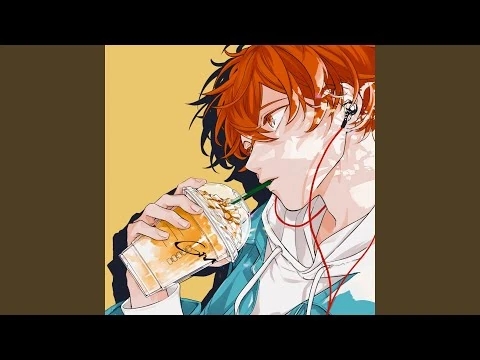
He Doesnt Get Fixed
Here is where Given separates itself from every other grief story in anime. Mafuyu doesnt get cured by love. He doesnt date Ritsuka and suddenly forget Yuki. The manga goes on for chapters after the concert showing him still struggling. Still having nightmares. Still stopping mid-sentence when he gets overwhelmed. Still carrying the guitar everywhere like a security blanket. Still unable to say I love you without looking like hes drowning.
Some fans get frustrated with this. They want him to be happy already. They want the romance to solve everything. They want the cute moments without the trauma aftermath. But thats not how it works. I saw some data that said Mafuyus attachment style is marked by unresolved emotions and fear of past traumas. He moves through grief in cycles. Anger one week, bargaining the next, right back to denial when something triggers him like a specific chord progression or the smell of the cologne Yuki used to wear or the sound of a train whistle.
Hiiragi and Shizusumi show up later in the story and force him to confront the past again. They want him to finish another song Yuki started, a song called Yorugaakeru. Mafuyu has a breakdown. He admits hes still lonely. He admits he doesnt know how to love Ritsuka without feeling like hes betraying Yuki. Reddit users have pointed out that Mafuyus expression during these scenes shows hes having a recurring pattern of feeling left out, like hes watching his own life from behind glass while everyone else moves at normal speed. He is present but not participating, alive but not living.
The manga eventually ends with Mafuyu in a better place but not a fixed place. He is learning to carry Yuki with him without being frozen. He is learning that loving Ritsuka doesnt mean erasing the past. But he still flinches when people raise their voices. He still has nights where he cant sleep. He still writes songs in minor keys because major chords feel too bright and dangerous, like they might burn him. The Wikipedia summary of the manga) notes that the final arcs focus on his personal path forward with Ritsuka completing songs from Mafuyus past, showing that healing is collaborative but not instantaneous.
The Difference Between Quiet And Trapped
People mix up Mafuyus trauma responses with shyness constantly. They think hes cute and soft and needs protection. They draw fanart of him as this helpless creature who needs big strong Ritsuka to save him. But Mafuyu is one of the most blunt, aggressive characters in the show. He tells Akihiko his lifestyle is messed up and he needs to get his act together. He tells Haruki to stop pining and make a move already. He tells Ritsuka he loves him without stuttering, without caveats, without any of the hedging that other characters use. He says the things everyone else is afraid to say because he already survived the worst thing. What more can words do to him now?
He isnt weak. He is wounded. There is a difference. He has survived abuse and suicide loss and he still gets up every day and tries to sing. That requires a strength that loud people dont always understand because it isnt performative. It isnt about shouting over everyone. Its about continuing to exist when every instinct in your body says to disappear, to be silent, to be small enough that no one hits you, dead enough that no one leaves you.
His perceptiveness is another sign hes not just shy. He reads the room instantly. He knows Haruki likes Akihiko before Haruki admits it to himself. He sees that Ugetsu is hurting when everyone else is intimidated by him. He catches Ritsuka in lies immediately. He is hyper aware because he had to be. Abused kids learn to read facial expressions to survive. They watch for the signs that dad is about to get angry, the tightening of the jaw, the flexing of the hand, the shift in breathing. Mafuyu never lost that skill. He uses it to take care of his friends now, to check in on them when they are struggling, to be the listener he needed when he was young. He plays cupid for Haruki and Akihiko because he recognizes their pain patterns. He sees Ugetsu and recognizes the same drowning look he sees in the mirror.
The Snow And The Thaw
The winter imagery isnt random. Yuki died in winter. The song is called Winters Story. Mafuyu wears scarves and looks at train tracks. Snow covers everything and makes it quiet and white and dead looking. But snow also melts. It takes time and heat and sunlight but it melts. It turns into water that feeds new growth. It turns into spring eventually.
Mafuyu is learning that he can carry Yuki with him without being frozen. He can date Ritsuka and still love Yuki. He can sing new songs that arent about death. The Facebook groups discussing Given mention that his progression from grief and silence towards healing and vocal expression is the real core of the show. Not the romance. The recovery. The slow, uneven, painful process of deciding to stay alive when staying alive hurts. The decision to make noise when silence is safer.
He still has bad days. The manga shows him struggling with sleep paralysis even in the final chapters. He still texts Ritsuka are you home ten times a day because abandonment issues dont vanish just because you have a boyfriend. He still keeps Yuki's guitar pick in his pocket like a talisman. But he is singing. He is talking. He is living. And thats enough. That has to be enough because there is no finish line where he is suddenly normal. There is just today and tomorrow and the next song.
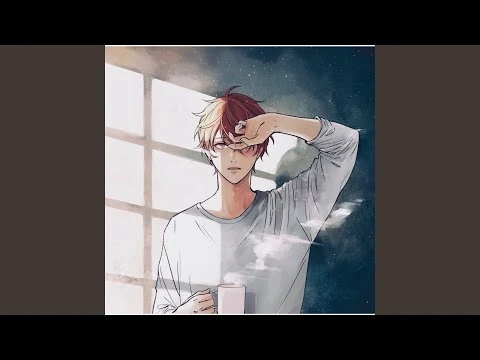
Mafuyu Satos backstory and emotional path matter because they treat trauma like math not magic. It adds up. The beatings plus the suicide plus the guilt equal a kid who cant talk. The music minus the isolation plus the band equals a kid who can scream. There is no fairy godmother moment where it all goes away. There is just the next day and the next song and the decision to keep breathing even when it hurts.
If you watch Given and think Mafuyu is just a sad uwu boy who needs a hug, you missed the point entirely. He is a survivor of domestic violence and suicide loss who is rebuilding his voice one broken note at a time. The guitar isnt a prop. The songs arent just soundtrack inserts. They are medical records of a recovery that is still ongoing, documented in the network analysis of his character.
He isnt fixed. He isnt cured. He is here. He is singing. That has to be enough for now. And for someone who spent a year unable to speak, being here is already a miracle.