
Love chunibyo & other delusions anime genre explained starts with understanding that this thing refuses to sit in one box. You can't just call it a romantic comedy even though that's what the marketing says. You can't just file it under slice of life and be done with it. The show takes this weird Japanese concept called chuunibyou (basically middle schoolers who think they have magic powers or secret destinies) and uses it to talk about real trauma while also having characters hit each other with umbrella swords and pretend to cast spells. That's the whole appeal right there. It's messy and it doesn't clean itself up for you.
Rikka Takanashi shows up with that medical eyepatch and the gothic lolita dress and immediately latches onto Yuuta Togashi because she found out he used to call himself the Dark Flame Master. Most shows would use this setup for pure cringe comedy or pure romance but this one does both while also being about a girl processing her father's death through fantasy roleplay. The genre shifts depending on which scene you're watching. One minute they're having a beach episode with the usual anime tropes and the next minute Rikka is having a breakdown because reality caught up with her delusions. That's not normal romcom behavior.
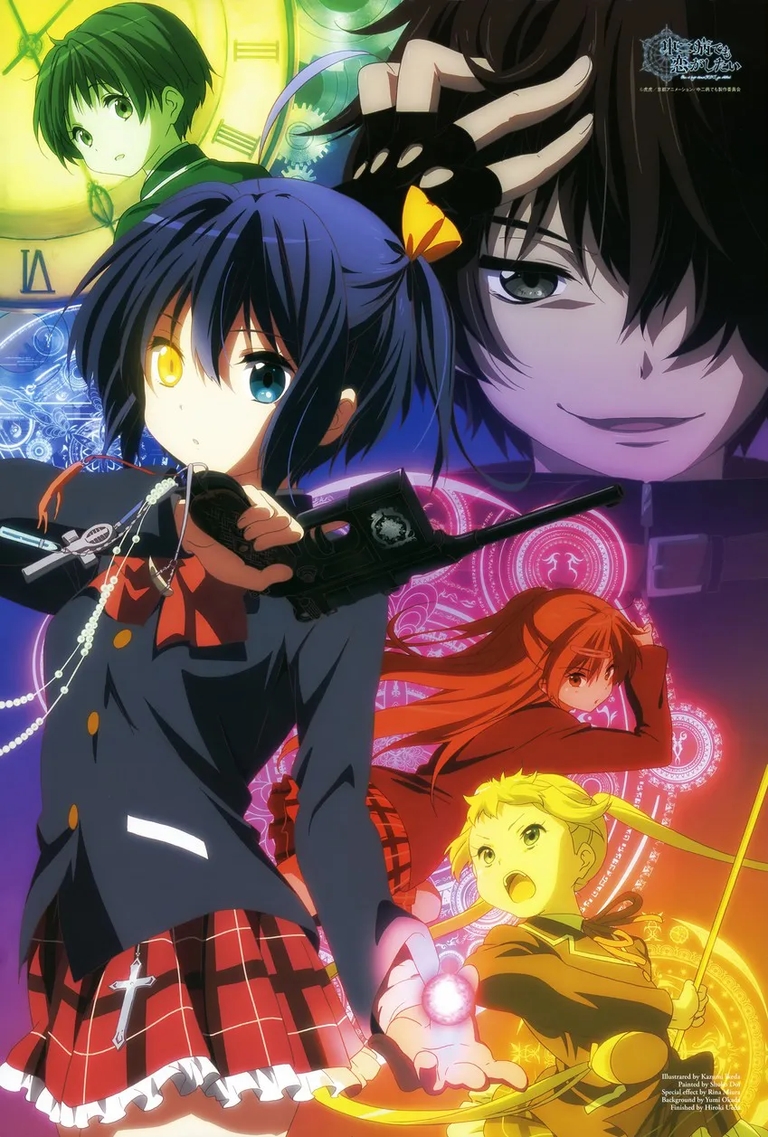
The show is technically adapted from light novels by Torako but Kyoto Animation took the source material and injected their specific brand of visual storytelling into it. The books are apparently more focused on the comedy and the love triangle aspects according to people who've read them on reddit but the anime goes hard on the emotional stuff. Yuuta's internal monologue in the novels is apparently funnier and more sarcastic but the show balances that with these gorgeous fantasy sequences where Rikka imagines herself as this powerful sorceress battling evil. Those sequences aren't just filler. They're the whole point.
What Chuunibyou Actually Means Here
People throw around the term chuunibyou like it just means being cringey but in this show it's more specific than that. It's eighth grader syndrome. It's that phase where you think you're special and different and maybe you write edgy poetry or pretend you have a demon sealed in your right arm. The series takes this real phenomenon that happens to actual kids and turns it into a coping mechanism for grief. Rikka isn't just pretending to have the Tyrant's Eye because she's weird. She's doing it because accepting that her dad is dead is too painful and the fantasy world gives her distance from that pain.
This changes the genre from simple comedy into something else entirely. You've got these characters running around with prop weapons and making up Latin-sounding spell names but the stakes are real. When Rikka's sister Touka tries to force her to grow up and drop the act, it's not just sibling nagging. It's a confrontation about whether it's okay to hide from pain using fantasy. The show asks whether being normal is actually better than being happy in your own weird way. That's heavy stuff for a show that also has episodes about napping contests.
Yuuta used to be deep in the chuuni lifestyle himself. He wore all black and called himself the Dark Flame Master and honestly he seems more embarrassed about it than he should be. His character arc is about learning that his past wasn't just cringe to be buried but part of who he is. The show treats the phase with respect even while making fun of it. That's a hard balance to strike and most anime fail at it by being either too mean or too sappy. This one hits the middle by showing that the delusions are both ridiculous and necessary.
The Fantasy Sequences Arent Just Decoration
Every time Rikka gets into a confrontation with another character, the show cuts to these elaborate animated sequences where they're flying around shooting energy blasts and wielding giant weapons. If you just looked at those clips you'd think this was an action anime or an isekai or something. But it's not. It's just what the characters are imagining while they're probably just standing in a classroom pointing umbrellas at each other.
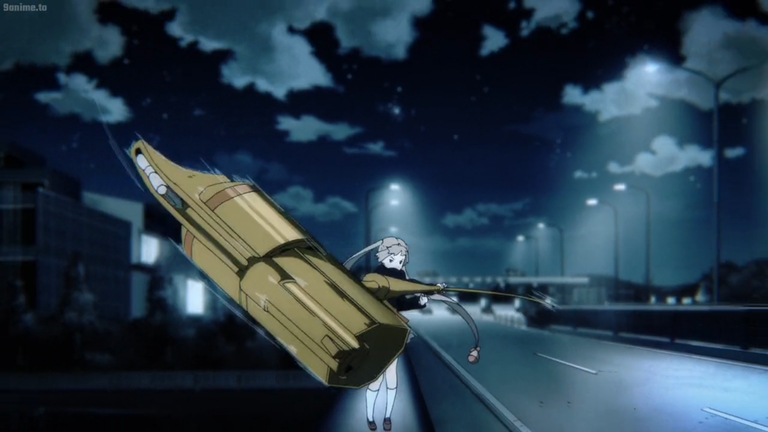
These sequences matter because they show you what the characters are actually feeling. When Rikka feels threatened or excited or heartbroken, you see it visualized as this epic magical battle. The animation budget goes crazy for these moments and Kyoto Animation uses their signature style with the bright colors and fluid movement to make the fake battles look better than most real action anime. It's a visual representation of teenage emotions being larger than life.
The genre bending happens here because the show doesn't signal when it's switching between reality and fantasy clearly. You're watching what looks like a serious fight scene and then it cuts back and they're just standing in a hallway holding sticks. That disorientation is intentional. It puts you in the mindset of someone who half believes their own delusions. The show isn't mocking these kids for imagining things. It's saying that imagination is valid and powerful even when it's silly.
Romantic Comedy Elements That Actually Land
Okay so yes there is a romance here and yes it's funny sometimes. Yuuta and Rikka's relationship develops slowly and awkwardly in a way that feels more real than most anime couples who just blush and hold hands once per season. Yuuta tries to be the responsible straight man to Rikka's chaos but he keeps getting pulled back into her nonsense because he actually enjoys it. That's the dynamic that drives the plot forward.
But calling it just a romantic comedy ignores the fact that the romance is built on mutual weirdness rather than normal attraction. Yuuta doesn't fall for Rikka despite her chuunibyou. He falls for her because of it and because he recognizes something in her that he used to have. That's different from your standard tsundere or childhood friend setups. The comedy comes from the clash between their fantasy world and the real world expectations of high school.
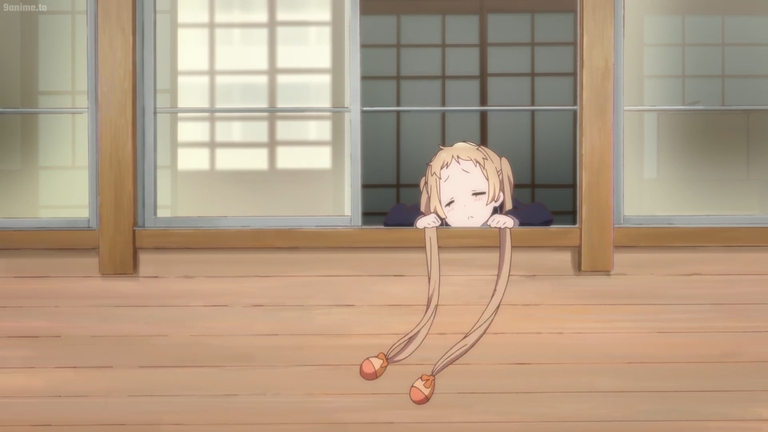
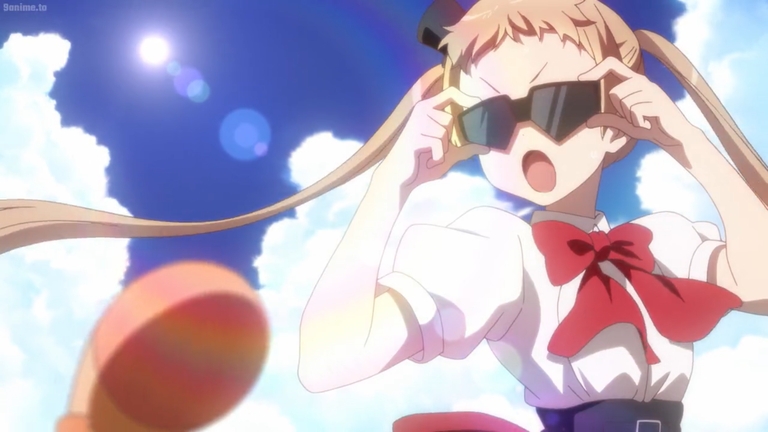
The side characters support this without taking over. Shinka Nibutani is a former chuuni who tries to hide her past as the magical girl Morisummer and her embarrassment about it creates this great tension with Sanae Dekomori who still believes in the fantasy completely. Dekomori is Rikka's servant or whatever and she takes the roleplay so seriously that she actually gets violent about it. She's annoying in the best way possible. Kumin Tsuyuri just wants to nap and honestly she's the most relatable character in the whole show.
Slice of Life With Actual Consequences
A lot of slice of life anime just show characters hanging out and nothing changes from episode to episode. This show looks like that on the surface. They go to the beach. They have a cultural festival. They form a club that doesn't do anything productive. Standard stuff. But underneath that structure there is a plot that matters and character growth that sticks.
Rikka's arc through the first season is about processing her father's death. She moved with her family after he died and she never really dealt with it. The chuunibyou stuff started as a way to avoid reality and by the end of the season she has to decide whether to keep hiding or face the truth. That's not slice of life territory anymore. That's drama. The show earns its emotional moments by making you care about these ridiculous characters through all the comedy that came before.
The second season called Heart Throb or Ren depending on who you ask changes things up by introducing Satone Shichimiya who was Yuuta's middle school friend and the one who got him into the Dark Flame Master persona in the first place. She shows up still deep in the chuuni lifestyle and creates this love triangle that actually feels threatening because she understands Yuuta's past in a way Rikka doesn't yet. The genre shifts more toward pure romance here but keeps the fantasy elements.
Why the Movies Matter for Understanding the Genre
There's a recap movie called Takanashi Rikka Kai that retells the first season from Rikka's perspective and it adds scenes that change how you view her character. Then there's Take On Me which is an original story set after the second season where Yuuta and Rikka go on a trip together. This movie leans hard into the romance side but also resolves the central tension of the whole series which is whether Rikka will ever grow out of her delusions completely.
The answer the movie gives is complicated and satisfying. It says that growing up doesn't mean giving up what makes you weird. It means finding someone who accepts your weirdness. That's the ultimate statement of what this show is trying to do with its genre mixing. It's using the trappings of fantasy anime and romantic comedy to tell a story about acceptance and coping mechanisms.
The Soundtrack and Visual Language
ZAQ did the music for this show including the opening Sparkling Daydream which perfectly captures that energy of being overly dramatic about teenage feelings. The soundtrack switches between upbeat pop stuff and these sweeping orchestral pieces during the fantasy battles. The music tells you what genre the scene thinks it is even when the visuals are ambiguous.
Kyoto Animation's art style is crucial here too. They use those big eyes and soft colors that make everything look cute but then they animate the fight scenes with the same care they'd give to a serious action show. The contrast makes the comedy land harder and the drama hurt more. When Rikka cries it looks real because the animation quality is consistent across both the real and imagined scenes.
Why People Still Get the Genre Wrong
Most databases and streaming sites list this as Romance, Comedy, and Slice of Life. They miss the Supernatural tag even though half the runtime is spent on magic battles. They miss the Drama tag even though the central plot is about grief. The show defies easy categorization because it's doing several things at once and doing them well.
Some viewers go in expecting a pure comedy and get uncomfortable when the sad stuff happens. Others go in expecting drama and get annoyed by the constant goofing around. The show doesn't care about your expectations. It shifts tones abruptly because that's how teenagers actually experience emotions. One minute you're laughing with your friends and the next you're dealing with family trauma. The genre is whatever it needs to be in the moment.
The Underrated Classic Status
This show came out in 2012 and it's still talked about in anime circles as one of Kyoto Animation's best works that new fans skip over. It doesn't have the hype of Clannad or the action of Violet Evergarden but it has this specific emotional honesty that hits different. The way it handles chuunibyou as a real psychological phenomenon rather than just a joke sets it apart from other shows that use similar concepts.
According to this article this thing is criminally overlooked when people list their favorite romcoms or slice of life series. It tackles themes of neurodiversity and acceptance without being preachy about it. Rikka isn't broken and doesn't need to be fixed. She just needs to find a way to live that works for her. That's a message that resonates more now than it did when the show first aired.
Love chunibyo & other delusions anime genre explained comes down to this. It's a show about teenagers using fantasy to survive reality. It uses the visual language of action anime and the structure of romantic comedy and the pacing of slice of life to tell a story about grief and acceptance. The genre is deliberately mixed because people are mixed. We contain multitudes. We laugh at stupid jokes and cry about dead parents and pretend to be wizards sometimes. That's what being human is and that's what this anime gets right.
If you go into this expecting a straightforward romance you'll be confused by the magic battles. If you go in expecting fantasy you'll be bored by the school festival episodes. But if you let it be its own weird thing, if you accept that it's going to shift gears without warning, then you get one of the most honest portrayals of adolescent coping mechanisms in anime. The chuunibyou isn't the punchline. It's the language the characters use to say what they can't say normally. That's the genre. It's a translation of teenage emotions into over-the-top fantasy and back again.