
Jujutsu Kaisen target audience demographics aren't what you'd expect from a traditional shonen hit. Most people assume these Jump series target twelve-year-old boys buying keychains at convenience stores. That's dead wrong for this franchise. The data shows something weird happening here that separates it completely from the One Piece and Naruto generations.
I saw some data that said 71.3% of the viewership falls into the 13-22 age bracket. That's Gen Z. That's a massive chunk of the pie compared to basically every other major shonen running right now. Attack on Titan only hits 64.4% in that range. One Piece drops to 56.7%. So you're looking at a show that captured the youngest demographic of any major anime franchise while simultaneously being the most popular thing on the planet according to Guinness World Records.
But here's where it gets messy. In Japan, the average fan age is apparently between 28 and 29 years old. You've got this weird split where Western audiences skew super young but Japanese audiences are millennials and older Gen Z. This isn't just a fluke. It points to how the series hits different depending on where you grew up and what kind of media you consumed as a kid. The series is speaking two languages at once, and both age groups are listening for different reasons.
The Youngest Fanbase in Shonen
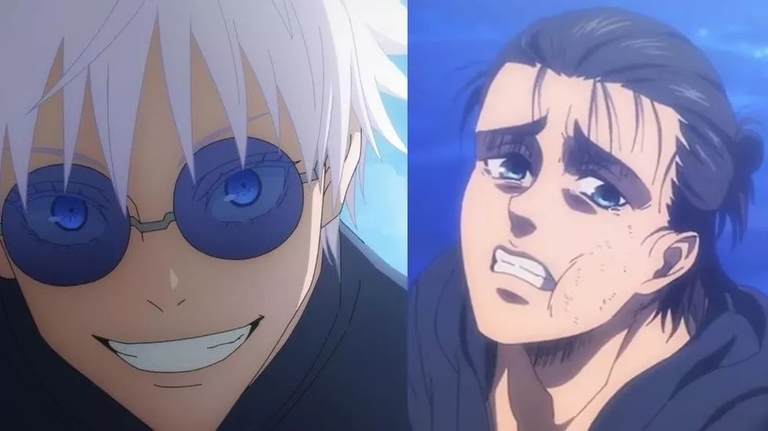
Look at that gap again. Jujutsu Kaisen sits at 71.3% for the 13-22 crowd. One Piece, which everyone assumes is the king of shonen, only manages 56.7% in the same bracket. That's a huge difference. We're talking about a show that completely ignores the nostalgia crowd and the thirty-somethings who grew up on 900-episode long runners. It doesn't need them. It found a new well of viewers who weren't being served by the old guard.
This isn't an accident. The series was built differently from the ground up. It belongs to what people call the Dark Trio alongside Hell's Paradise and Chainsaw Man. These aren't your older brother's shonen shows where friendship speeches solve everything and the power of love beats the villain. These stories are brutal, cynical, and filled with actual consequences. Characters die messy deaths. Heroes lose. The system is corrupt and stays corrupt. No one is coming to save the day with a motivational speech about believing in yourself.
Gen Z eats this up. They've grown up watching the world burn on their phones since middle school. Climate anxiety, economic collapse, political chaos, social media comparison destroying their self-worth. So when Yuji Itadori talks about wanting a good death because he doesn't see a future worth living for, that hits different than Luffy talking about becoming Pirate King because he loves freedom and meat. One is an escape fantasy. The other is a mirror held up to a generation that feels like they're inheriting a broken planet. The cynicism resonates with young adults who don't expect invincible heroes or happy endings.
Why One Piece Fans Are Older
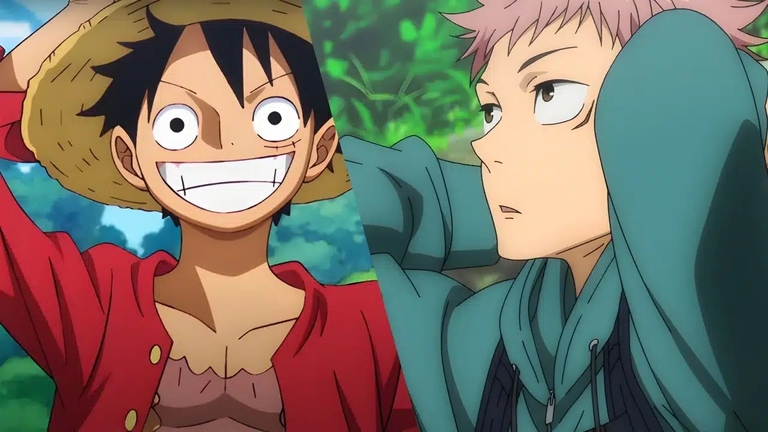
You can see the split clear as day when you compare the protagonists. Luffy is optimism incarnate. Yuji is trauma with a smile that doesn't quite reach his eyes. The average One Piece fan is pushing 38 or 39 years old. Same with Demon Slayer. Those shows offer comfort. They offer a world where good beats evil if you try hard enough and where nakama bonds transcend death itself.
Jujutsu Kaisen doesn't offer that comfort. The Shibuya Incident arc alone has more civilian casualties and body horror than entire decades of One Piece content combined. Mahito literally warps people's bodies while they're still alive and conscious, turning them into monsters that beg for death. Gojo gets sealed in a prison realm. Nobara takes a direct hit that destroys half her face and might be dead (the manga keeps it vague for years). Itadori blames himself for deaths he couldn't prevent and carries that weight without anyone telling him it's not his fault.
This appeals to younger viewers who don't buy into the bootstrap mythos or the idea that hard work always pays off. They see a rigged game and want stories that acknowledge the game is rigged from the start. The Shibuya arc showcases real losses and traumas that can't be resolved with a training montage. No Dragon Balls to wish everyone back. No nakama powerup to fix a crushed skull or a broken spirit. The wounds stay open. The characters have to learn to live with them or die trying.
The Japan vs West Age Gap Explained
Here's the weird part that doesn't make sense at first glance. In Japan, the Oshikatsu MAP 2025 Autumn survey showed the average JJK fan is 28-29. That's older than the Western data suggests by a solid decade. Why the massive discrepancy?
Part of it is access and distribution history. In Japan, Weekly Shonen Jump is everywhere. Salarymen read it on trains during their commutes. College students binge it between classes at the university library. The manga has been running since 2018, so older readers have aged with it and followed the weekly serialization. But in the West, the anime exploded through streaming during the pandemic years when everyone was stuck inside. TikTok clips went viral overnight. YouTube reactors lost their minds over Gojo vs Toji. The barrier to entry dropped to zero for teenagers stuck at home with Crunchyroll subscriptions and nothing but time.
Plus, the themes hit different if you're a Japanese office worker versus an American high schooler. The jujutsu world is filled with systemic corruption. The higher-ups are useless or actively evil. The bureaucrats care more about politics and covering their own backs than saving lives. If you're 29 and working a dead-end job in Tokyo where your boss is an idiot and the company doesn't care if you live or die, you see yourself in Nanami Kento. You see yourself in the characters who are trapped in predetermined destinies fighting against hopelessness while earning a paycheck that doesn't cover rent.
The 28-29 year old demographic in Japan represents late millennials and early Gen Z who grew up during economic stagnation. They don't remember the bubble economy. They only know precarious work, contract jobs, and a society that feels stuck. JJK speaks to that specific fatigue. It tells them it's okay to be angry at the system. It's okay to break the rules if the rules are stupid and harmful.
Gender Splits and Character Appeal
The demographic isn't just about age. In Japan, the split is roughly 60% male and 40% female. That's a solid balance for a battle shonen. Usually, these shows skew 80-90% male and the female characters are afterthoughts. So what's drawing women to this series in such high numbers?
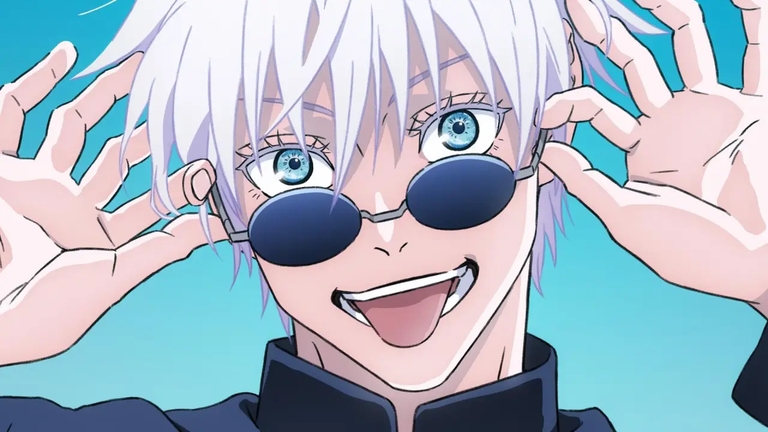
It's not just the pretty boys, though MAPPA's character designs with their sharp jawlines and detailed eyes definitely don't hurt. It's the emotional complexity and psychological depth. Gojo's appeal isn't just his strength or his six eyes. It's his failures. His past with Geto. The way he carries the weight of being the strongest but still couldn't save his best friend from walking a dark path. That mix of arrogance, pain, and vulnerability hits different than typical shonen protagonists who just scream louder to win fights.
The female characters also carry real weight instead of being accessories. Nobara isn't a love interest for the main character. She's a force of nature with her own motivations and agency who cares about her own life outside of the boys' missions. Maki's entire arc is about breaking free from a sexist clan system that tried to crush her. Mai's sacrifice hits hard because she had her own bitterness and complexity. These aren't token girls put in to sell merchandise. They're messy, violent, and complex human beings who bleed and fail and win on their own terms.
Social Media and The Algorithm Machine
You can't talk about JJK demographics without mentioning how people actually watch it. This show was built for the TikTok generation by accident or design. The sakuga moments from MAPPA are pure clip bait. Gojo unmasking his eyes for the first time. Sukuna's Malevolent Shrine domain expansion. Itadori's black flashes connecting with visceral impact. These are six-second loops that get millions of views and drive people to binge the full episode.
Social media platforms drive discovery. Gen Z doesn't discover anime by walking into a video store or catching the 4 AM Toonami slot. They find it through algorithmic recommendations on Instagram Reels, Twitter trends, and YouTube Shorts. The Parrot Analytics data that put JJK at 71.2 times the demand of the average show measures social media engagement, piracy searches, and streaming data all together. It's a holistic view of attention, and Gen Z attention moves fast but deep when something grabs them.
The demand spiked to 128 times the average show after the Season 2 finale dropped. That's not casual viewing. That's obsession. That's staying up until 3 AM to watch the simulcast and then posting theories immediately after. The engagement metrics prove that the 13-22 demographic isn't just watching passively. They're creating content, arguing in comment sections, and driving the conversation.
The Dark Trio Phenomenon and Shonen Evolution
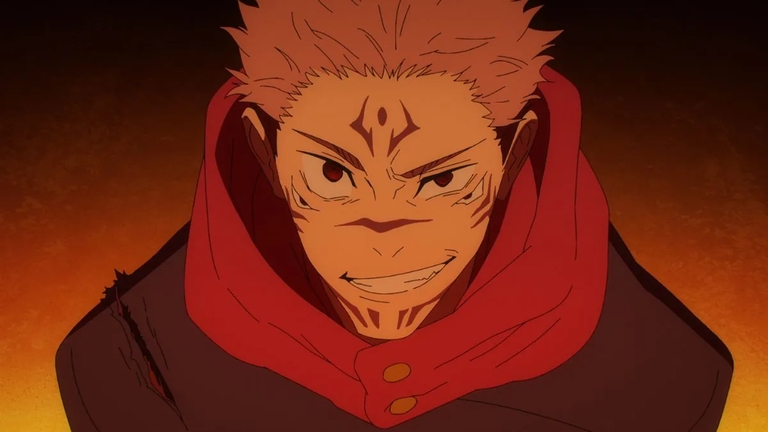
JJK isn't alone in this demographic shift. It's part of the Dark Trio that represents an evolution in shonen manga. Chainsaw Man, Hell's Paradise, and JJK all use gore, violence, and nihilism that would have been relegated to seinen magazines like Young Jump ten years ago. But they run in Weekly Shonen Jump, the magazine for twelve-year-old boys.
This matters because the magazine's physical readership is getting older. Kids aren't buying weekly magazines at the convenience store like they did in the 90s. So Jump adapted by publishing darker, more complex stories that appeal to teenagers and young adults who want substance over toyetic simplicity. The global anime market is projected to hit $36 billion, and the average US consumer has a household income of $59,000. These aren't kids spending allowance money on trading cards. These are young adults with disposable income buying premium subscriptions, art books, and limited edition figures.
The Dark Trio proves that you can make a shonen hit without following the old formulas. You don't need a tournament arc every season. You don't need a hot springs episode. You don't need the protagonist to win every fight. In fact, you can have your protagonist lose horribly, suffer psychological damage, and question whether life is worth living, and the audience will love you for it because it feels honest.
Why Demon Slayer Hits Different Demographics
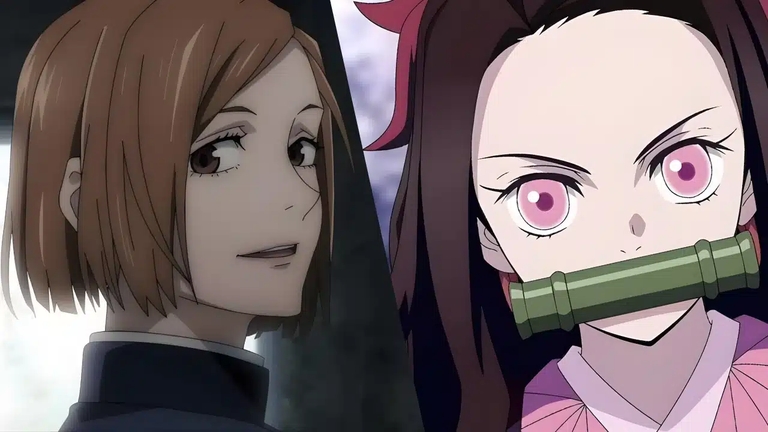
Compare JJK to Demon Slayer for a second to see how different approaches hit different ages. Demon Slayer's average fan is 39. It's a family show that parents watch with their kids. It offers comfort, clear moral lines, and a vision of good versus evil where love conquers all and Tanjiro's empathy eventually reaches everyone including the demons. The aesthetic is beautiful but safe. The violence is there but sanitized. The emotions are pure and straightforward.
JJK is none of those things. Mahito is pure evil who enjoys suffering and doesn't get redeemed. The good guys are traumatized and make morally questionable choices. The system is broken and stays broken. It doesn't offer comfort or easy answers. It offers catharsis through shared misery and the acknowledgment that sometimes the bad guys win and the good guys die for no reason. That's why it resonates with a generation that doesn't expect happy endings or fair treatment from the world.
Demon Slayer is comfort food. JJK is spicy food that burns your mouth but you keep eating because the pain feels real. The 39-year-olds want the comfort after a long day of work. The 19-year-olds want the pain because it validates what they're already feeling.
The Future of Shonen Demographics
So what does this mean for the anime industry going forward? You're going to see more shows targeting that 13-22 bracket with darker themes and moral ambiguity. The old formula of boy wants to be the best, trains hard, beats villain with friendship power is losing ground to boy is thrown into broken system, tries to survive, loses friends, questions meaning of life, keeps fighting anyway because there's nothing else to do.
The data is clear. JJK overtook Attack on Titan which held the popularity crown since 2020. It did this not by appealing to everyone, but by appealing specifically to young people who feel alienated by traditional hero stories and optimistic narratives. The 71.3% Gen Z viewership isn't a bug or an accident. It's the feature. It's the core design.
Studios are taking notes. MAPPA's production style, the cinematic quality of the fights, the way they use movie-level animation for TV episodes, it's all designed for binge-watching and clip sharing. The camera work is shaky and intimate. The colors are desaturated and moody. It doesn't look like anime from ten years ago. It looks like the inside of a depressed teenager's head during a panic attack, which is exactly what it needs to look like to capture that demographic.
Jujutsu Kaisen target audience demographics tell us something important about where anime is heading in the next decade. The youth vote matters more than the nostalgia dollar now. This series proved you can be the biggest show on earth while being bleak, violent, philosophically heavy, and emotionally devastating. You don't need to sanitize it for eight-year-olds or add comic relief sidekicks who explain the plot.
The 13-22 age bracket has spoken with their views and their wallets. They want the Dark Trio. They want stories that acknowledge the world is messed up and that heroes don't always win. They want Gojo's perfect technique and Itadori's guilt and Nobara's hammer and Megumi's depression. They want anime that treats them like adults even if they're still in high school, because they're already dealing with adult problems and adult fears.
If you're a studio executive looking at these numbers, the message is simple. The kids are alright, but they're not looking for comfort food or escape fantasies. They're looking for something that hurts in the right way, something that tells them their anger and fear are valid. JJK gave them that, and that's why it owns the demographic completely.