
Josee the Tiger and the Fish anime themes get reduced to "disability representation" by critics who watched the trailer and called it a day. That's missing the point entirely. The movie isn't about a girl in a wheelchair learning to walk or some inspirational garbage where a guy saves her. It's about two people who are both stuck, just in different ways, and how their collision messes them up before it fixes anything.
Tsuneo isn't just a nice guy helping a disabled girl. He's a college kid obsessed with marine biology who dreams of studying in Mexico. Josee isn't just a bitter shut-in. She's a 24-year-old artist who's been told her whole life that the world outside her door will eat her alive. The wheelchair is the least of her problems. Her real disability is the fear her grandmother planted in her head, the idea that she's a tiger in a cage who can't survive the wild.
People compare this to A Silent Voice because both have characters with physical differences, but that's lazy. A Silent Voice deals with guilt and redemption for past bullying. Josee deals with the terror of growing up when everyone around you insists you can't. The movie asks a harder question: what happens when the person protecting you is also the prison guard?
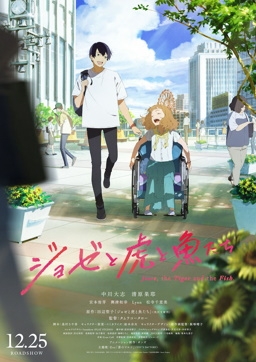
The Wheelchair Is Not the Villain
Most movies about disabled characters make the disability the enemy to beat. Here, Josee's paraplegia is just a fact, like her hair color. The real enemy is her terror of social spaces. There's this solid scene at a train station where some jerk bumps into her wheelchair. At first she thinks it's because she's in the chair. Then she sees the same guy being rude to everyone. It's a small moment but it cracks her worldview open. The world isn't hostile to her specifically. It's just messy and indifferent.
Her grandmother Chizu spent years telling Josee that people outside are tigers who will hurt her. So Josee stays inside reading picture books and drawing. She calls herself Josee instead of her real name Kumiko because she's hiding inside a fictional identity. The movie gets this right about long-term isolation. You don't just get lonely. You get weird. You get angry. You develop a prickly outer shell that pushes away anyone who tries to help because help feels like pity, and pity feels like confirmation that you're broken.
Tsuneo puts up with her verbal abuse and thrown books because he sees through it. He recognizes the fear. That's why their relationship works as more than a caregiver dynamic. He isn't saving her. He's modeling something she hasn't seen before: someone going after a dream despite obstacles. The train station scene shows how her perspective shifts when she realizes the rudeness wasn't personal, and the world opens up when she accepts help from the station guard with the ramp.
Tsuneo's Dream Isn't Just Backstory
A lot of romance anime give the male lead a vague ambition so he has something to talk about at cafes. Tsuneo's obsession with studying abroad in Mexico and his passion for fish are concrete and specific. The movie uses scuba gear and ocean imagery as visual metaphors for freedom and escape, which is pretty obvious, but it also uses them to show his vulnerability. He's working multiple jobs, exhausted, and still chasing this thing.
When Tsuneo gets hit by a car and fractures his leg, the movie flips the script. Suddenly he's the one who can't walk. He's the one whose dream gets put on hold. The rehabilitation scenes aren't just plot devices. They force him to understand Josee's world from the inside. He has to relearn to walk while she watches, and it's humbling for both of them.
There's this weird criticism that the movie is predictable because you know they'll end up together. Of course they do. That's not the point. The point is whether Tsuneo will give up Mexico for her, or whether Josee will let him go so he can grow. The movie's climax isn't a kiss. It's Josee reading her self-published picture book "The Mermaid and the Radiant Wings" to him while he's in the hospital. The story within the story is an allegory for their relationship, and it's genuinely moving without being cheesy. You can read more about the plot details) to see how the car accident changes the dynamic from the original short story.
The Tiger Metaphor Is More Complicated Than It Looks
The title references a story Josee's grandmother told her about a tiger who couldn't survive outside its cage. The zoo scenes in the movie aren't just pretty backgrounds. They represent Josee's fear that she's a zoo animal, not a wild creature. But here's the thing the movie doesn't spell out: the tiger in the original story might be happier in the cage. That's the scary part.
Josee isn't sure she wants freedom. Freedom means risk. Freedom means strangers staring at her chair. Freedom means failing publicly. Her grandmother provided a safe cage with home-cooked meals and protection from the scary world. When Chizu dies, Josee isn't just grieving. She's been kicked out of the cage and doesn't know how to hunt.
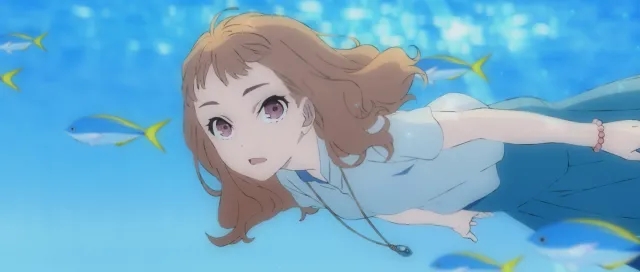
The movie handles this transition messily, which is good. Josee takes a boring office job instead of pursuing art. She pushes Tsuneo away. She regresses. Real growth isn't a straight line, and the anime respects that. Studio Bones animated these sequences with a watercolor aesthetic that feels dreamlike but not false. The falling leaves scene at the zoo is gorgeous without being distracting.
Codependency and the Carer Relationship
This is where the movie gets risky. Tsuneo starts as Josee's paid carer. He bathes her, dresses her, pushes her chair. That's an intimate power dynamic that could go wrong in a hundred ways. The movie addresses this through Mai, Josee's coworker, who points out that Josee might be trapping Tsuneo the same way her grandmother trapped her.
Mai tells Josee she needs to "set him free." This isn't about disability. It's about the savior complex and the rescued complex feeding each other in toxic ways. Josee has to learn that loving someone doesn't mean needing them to function. Tsuneo has to learn that saving someone isn't the same as partnering with them.
The scene where Josee's wheelchair gets stuck in the sand at the beach and they fight is crucial. She's helpless and humiliated. He's frustrated and feeling trapped. They both say cruel things. It feels real because caregiving relationships are hard. They're exhausting. The movie doesn't sanitize this to make it more romantic. One review notes how the film follows a typical love comedy formula but adds these uncomfortable layers that make it stick with you.
The Music Tells a Different Story Than the Words
Evan Call's score does heavy lifting here. He composed music for Violet Evergarden, so he knows how to manipulate emotions without hitting you over the head. The director specifically asked for a sound that felt like live-action drama rather than typical anime music.
The track "Take Me Far Away" has this Irish folk influence that feels like open roads and possibilities. When Josee is underwater in dream sequences, the sound gets dampened and muffled, like you're hearing through water. It's subtle but effective. The ukulele in "First Date" gives a tropical vibe that connects to Tsuneo's Mexico dream without being on the nose.
Call's favorite track is "The Mermaid and the Shiny Wing," which runs over five minutes during the picture book reading. He wrote it in one day because he was excited about the story's mix of fantasy and emotional truth. The music doesn't just accompany the scene. It completes the storytelling. You can find more details about the soundtrack composition and how Call approached the underwater scenes.
Side Characters Who Actually Matter
Kana Kishimoto gets Josee the job at the library, and she's not just a plot device. She represents what Josee could be: a disabled woman living independently, working, having a social life. She proves that the grandmother's fears were overblown without being preachy about it.
Hayato Matsura, Tsuneo's friend, serves as the voice of reason when Tsuneo is being dense. He points out when Tsuneo is being self-sacrificing in a way that helps no one. Mai Ninomiya, the coworker who advises Josee about codependency, could have been a rival love interest in a worse movie, but instead she's a mirror showing Josee her own toxic patterns.
These characters prevent the movie from becoming a two-person echo chamber. They show different ways of relating to disability and ambition. They also provide the exposition that keeps the story moving without feeling forced.
What the Ending Really Means
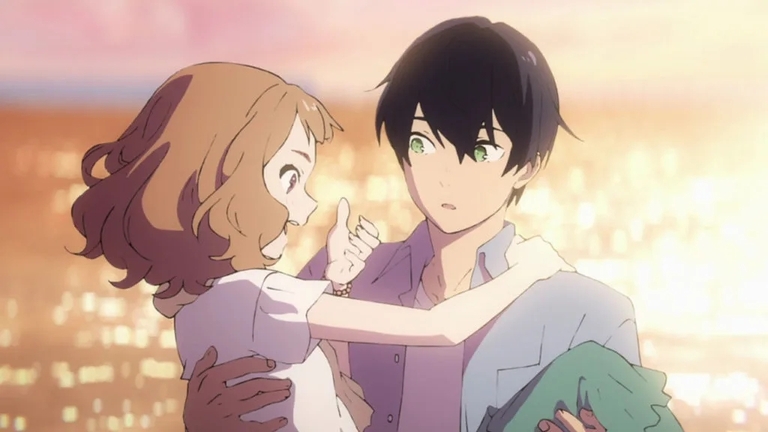
People get mad about the ending because Tsuneo goes to Mexico after all, but then comes back, and there's a post-credits scene where they're together a year later. Some viewers wanted a tragic separation or a sacrificial stay. Others wanted them to fly off together immediately.
The ending works because it shows both characters kept their identities. Josee didn't become "the girlfriend." She became an illustrator who leaves the house on her own. Tsuneo didn't give up his dream. He pursued it and came back. The movie suggests that healthy love isn't about merging into one person. It's about being two complete people who choose to overlap.
The final scene mirrors their first meeting. Tsuneo saves her from rolling into traffic again, but this time she's not a helpless victim. She's an artist on her way to a meeting. He's a biologist back from abroad. They're equals.
Why the Disability Representation Works
Unlike some anime that use disability as a plot device for tragedy, this one shows the practical annoyances. Josee deals with broken wheelchair ramps. She gets stared at. She has to plan routes around accessible bathrooms. But she also has a sex drive. She flirts. She gets jealous. She's a full person.
The movie doesn't pretend her life is exactly the same as an able-bodied person's. That would be dishonest. But it doesn't treat her like a saint or a burden either. She's annoying sometimes. She's talented. She's scared. The animation by Studio Bones pays attention to how she moves, how she transfers from chair to bed, how she navigates tight spaces. It's detailed without being clinical.
The Raising Children Network review emphasizes how the film shows bravery and empathy without being patronizing, focusing on Josee's journey toward independence rather than her limitations.
Comparisons to the 2003 Live Action Film
The 2003 Japanese live-action adaptation of Seiko Tanabe's short story exists, and some purists prefer it. The anime makes significant changes. In the original, Tsuneo doesn't get injured. The ending is more ambiguous. The anime adds the car accident, the rehabilitation, and the explicit romance.
These changes annoy people who think the original is more "realistic" or "subtle." But the anime isn't trying to be the original. It's using animation to visualize Josee's internal world, her picture books, her underwater dreams. You couldn't film the mermaid story sequence in live-action the same way. The medium justifies the changes.
Some Reddit users note that while the movie isn't perfect, the heartwarming moments and life lessons make it worthwhile, especially the post-credits scene that gives closure the live-action version lacks.
The Animation Style Serves the Story
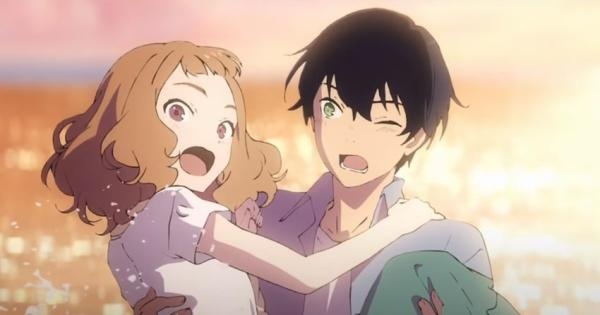
Studio Bones is known for action series like My Hero Academia, but here they use a softer touch. Character designs by loundraw give everyone a slightly ethereal, delicate look that fits the storybook aesthetic. The watercolor scenes during the tiger sequences and the mermaid story look like moving paintings.
The color palette shifts with Josee's emotional state. When she's trapped in the house, everything is beige and brown. When she starts going outside, the blues and greens of the ocean and the city bleed in. It's visual storytelling that doesn't need dialogue.
Josee the Tiger and the Fish anime themes center on the idea that everyone has a cage, but not everyone knows they're inside one. Josee's cage was built by her grandmother's love and her own fear. Tsuneo's cage was his obsession with a future plan that didn't include room for detours. They had to break their own bars before they could meet in the middle.
The movie isn't perfect. Some plot points come out of nowhere. Tsuneo's emotional reactions sometimes need more setup. But it gets the important stuff right. It shows that courage isn't the absence of fear. It's going to the train station anyway. It's publishing the picture book. It's letting someone leave for Mexico because you trust they'll come back.
If you go in expecting a standard romance where a guy fixes a disabled girl, you'll be confused and probably annoyed. But if you watch it as a story about two scared people learning that the world is bigger than their bedrooms, it hits hard. The wheelchair is just the vehicle. The real story is about the passengers.