
Inuyashiki: Last Hero themes and analysis discussions usually get stuck on the CGI or the gore, but that misses what Hiroya Oku was actually trying to say. This isn't just about an old guy getting superpowers to fight a teenager. It's about what happens when society throws you away and you get a second chance to matter.
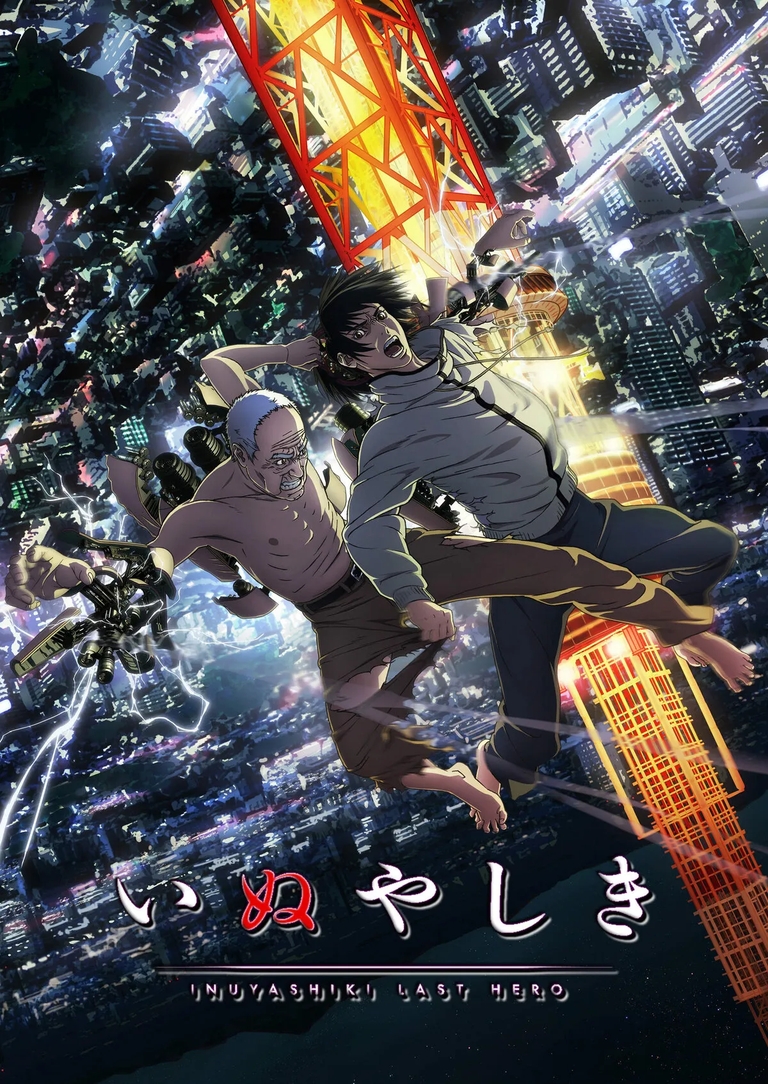
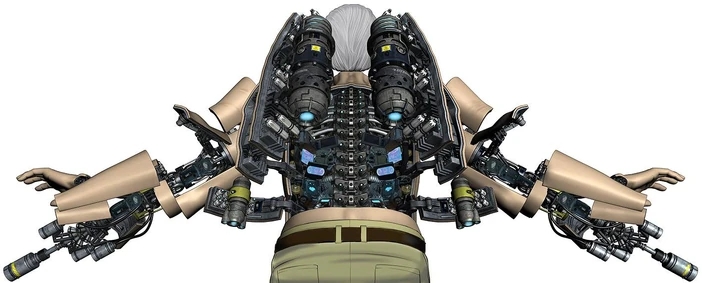
The show hits you with two guys who get rebuilt by aliens into weaponized androids. One's a 58-year-old salaryman with terminal cancer and a family that ignores him. The other's a high school kid with zero empathy and a god complex. The series doesn't ask who will win. It asks what makes someone choose to heal versus choose to kill when both have the same power.
Most people sleep on this anime because the CG looks weird or they think it's just Gantz with an old man. But the themes run deeper than most seasonal trash that comes out. It's looking at mortality, purpose, and whether humanity is something you feel or something you do.
Two Broken Machines Built Different
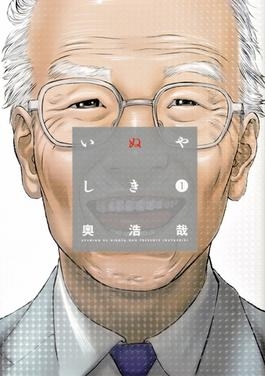
Ichiro Inuyashiki isn't your typical protagonist. He's not a teenager who trips into power. He's a guy who's already checked out of life before the aliens show up. His wife treats him like furniture, his kids don't respect him, and his doctor just told him he's got three months to live. He's sitting in that park crying not because he's sad, but because he realizes nobody will miss him when he's gone.
Then you get Hiro Shishigami. This kid isn't evil because of trauma or some backstory about abuse. He's just wired wrong. The show makes it clear early that he doesn't feel things the way normal people do. When he gets the same robot body as Inuyashiki, he doesn't have an identity crisis about whether he's still human. He immediately starts testing what he can break.
The contrast here is brutal. Inuyashiki gets his powers and he's terrified he's lost his humanity. Hiro gets his powers and he's annoyed he still has to pretend to be human. This sets up the central conflict that drives the whole series. It's not good versus evil in some abstract sense. It's a guy trying to prove he matters against a guy who thinks nothing matters.
The Aliens Don't Matter And That's The Point
People get hung up on the UFO. They want to know why the aliens picked these two, what the technology is, why they rebuilt them as weapons. The show doesn't care about that and neither should you. The aliens are a plot device to get two humans turned into basically the same machine.
What's interesting is how differently they use the hardware. Both guys get flight, lasers, missiles, and the ability to interface with electronics. Inuyashiki figures out he can cure cancer with his hands and starts sneaking into hospitals at night. Hiro figures out he can explode heads through phone screens and starts livestreaming murders for fun.
The aliens never come back. There's no sequel hook about an invasion. They just dropped these two weapons on Earth and left, which is a pretty solid metaphor for how life hands you raw deals without explanation. You don't get to choose what happens to you. You only get to choose what you do with it.
Family As The Real Enemy
Before the transformation, Inuyashiki's biggest problem isn't his cancer. It's that his family treats him like he's already dead. His daughter Mari is embarrassed by him. His son doesn't talk to him. His wife makes faces when he eats dinner. The show spends the first episode making you feel how invisible this guy is.
That's why the middle part of the series hits so hard. When Inuyashiki starts saving people, he can't tell his family. They still think he's a loser. There's this painful scene where he saves a homeless guy and cries because it's the first time someone has thanked him in years. Meanwhile his family is at home complaining about him being late.
Hiro's family situation is different but equally messed up. His mom loves him unconditionally, which creates this weird tension. He kills people for fun but he won't let anyone hurt his mom. Shion Watanabe, the girl who hides him, represents the only other connection he has to normal human feelings. When those connections break, he breaks completely.
The Healing Hands Hit Harder Than Fists
In most anime, the hero shoots the biggest laser to win. In Inuyashiki, the most powerful moments come from healing. When Inuyashiki walks through that hospital curing terminal patients one by one, it's more intense than any fight scene. He's using alien military hardware to do something the aliens never intended.
This is where the show gets philosophical without being preachy. Inuyashiki isn't religious. He's not trying to earn points to get into heaven. He's just a guy who knows what it feels like to be told you're dying and he can't stand seeing other people feel that绝望. That's a choice. The robot body gives him the power, but he chooses to use it to fix broken bodies instead of breaking them further.
Hiro uses the exact same hardware to perform public executions. He blows up a guy on a livestream and the chat goes wild. The show isn't subtle about criticizing how we consume violence online. People cheer for Hiro until he turns on them, then they beg for the old man to save them.
That Ending Divided People For Good Reason
The final arc comes out of nowhere. A giant meteor is going to hit Earth and wipe out humanity. It's a classic anime escalation that feels weird after the grounded crime drama stuff, but it works thematically. Both Inuyashiki and Hiro have to decide if humanity is worth saving.
Hiro dies first. He sacrifices himself to break the meteor into pieces, which is his redemption arc completing. He finally feels something, probably, or maybe he just got bored of killing and wanted to go out with a bang. Either way, he doesn't save everyone. There's still a chunk falling.
Then Inuyashiki does the math. He realizes he has to self-destruct to destroy the remaining piece. He calls his friend Ando to say goodbye, then calls his family. The scene where he proves he's still himself by talking about their honeymoon hits hard because it ties back to the beginning. He was always the same guy. He just needed the chance to show it.
The live-action movie changed this ending. In that version, Inuyashiki survives and keeps being a secret hero. The anime and manga go with the sacrifice because it completes the theme. He spent the whole series feeling worthless to his family, and he dies proving he was worth everything to the world.
The CGI Looks Weird But Fits
Yeah, the animation is janky. MAPPA used a lot of CGI for the robot parts and it doesn't always blend. Some scenes look like a PlayStation 2 cutscene. But honestly? It works for the story. These guys are supposed to be uncanny. They're not supposed to move like humans anymore.
The 2D animation for the emotional scenes is solid. When Inuyashiki cries, you can see every wrinkle. When Hiro smiles that dead smile, it looks wrong in the right way. The contrast between the slick robot action and the messy human drama is intentional. You can't have one without the other.
The opening song "My Hero" by Man with a Mission is perfect. It sounds like something you'd hear at a sports rally, which contrasts with this frail old man flying through the sky. But that's the point. He becomes the hero the song is talking about, even if he looks like he should be playing golf instead of stopping missiles.
Why This Isn't Just Gantz With An Old Man
Hiroya Oku made Gantz first, and that series is all about cynical violence and sexual content. Inuyashiki has violence too, but the tone is completely different. Gantz asks if humans deserve to live. Inuyashiki assumes we do and asks what we're going to do about it.
The body horror is similar. Both series have characters getting taken apart and rebuilt. But in Gantz that's punishment or reward for death. In Inuyashiki it's a random accident that gives two people a second chance. One uses it to become a monster, the other uses it to become what he always wanted to be.
People compare Inuyashiki to Astro Boy because of the whole "robot who looks like a human" thing, but that's surface level. Astro Boy was built to replace a dead kid. Inuyashiki was rebuilt to replace himself. The question isn't whether he's a copy. The question is whether the original was ever given a fair shot.
The Crime Stuff Matters More Than You Think
The yakuza subplot feels like filler to some people, but it's doing important work. It shows that Inuyashiki won't kill even when the bad guys really deserve it. He blows up their guns and breaks their legs, but he doesn't execute them. That's a line he won't cross because he's still thinking like a human, not a weapon.
Hiro crosses every line. He kills criminals, sure, but he also kills innocent people, cops, and eventually tries to kill the entire country. The show uses this to explore how power corrupts when you don't have empathy holding you back. Inuyashiki has the same power but it doesn't corrupt him because he spent his whole life being powerless. He knows what it feels like to be on the bottom.
The social commentary about Japanese society isn't subtle. It shows how salarymen get discarded, how youth are disconnected, and how the justice system fails to stop real monsters. But it's not nihilistic. It argues that individual choices matter even when the system is broken.
What It Means To Feel Human
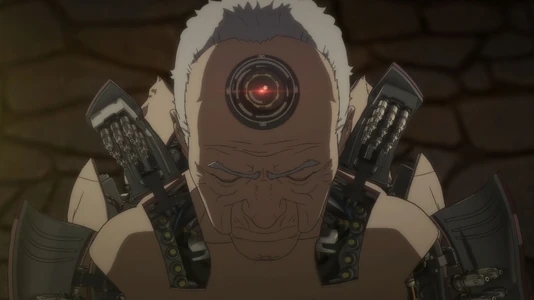
Inuyashiki spends the first few episodes trying to prove he's still himself. He eats food even though he doesn't need to. He cries even though his tears are probably some kind of lubricant. He's performing humanity because he's terrified he's become a toaster with memories.
But the show argues that humanity isn't about blood and bones. It's about what you do. When Inuyashiki saves that homeless man and the guy thanks him, that's when he knows he's still real. Not because of the hardware, but because the act of saving someone felt right. The robot body just gave him the ability to act on his good impulses instead of being too weak to help.
Hiro never questions if he's human. He knows he is because he feels pleasure when he kills. That's the twisted mirror of the theme. Both guys are using their new bodies to feel alive. One chooses to create life, the other chooses to end it. The series doesn't let you forget that both are valid uses of the power, which makes it uncomfortable to watch.
Why You Should Watch It Anyway
Inuyashiki: Last Hero is messy. The plot has holes, the animation is inconsistent, and the ending comes out of left field. But the character work is solid gold. You don't see many anime willing to make their hero a crying old man with back problems. You don't see many villains who are scary because they're bored, not because they have a tragic backstory.
The themes stick with you. After watching it, you start noticing how society treats the elderly. You notice how quickly people turn to violence when they think there are no consequences. You wonder what you'd do with that kind of power. Probably not heal people in hospitals, if we're being honest. That's what makes Inuyashiki special. He does the right thing not because it's easy, but because he remembers what it felt like to be helpless.
If you skipped this because it looked like another action show with bad CG, go back and watch it. Just don't expect a happy ending. The show gives you exactly what it promises. A broken man finding his purpose in the most unexpected way possible, and a broken kid who never learns how to fix himself until it's too late.