
Everyone thinks Higurashi is about cute girls going crazy and murdering each other with baseball bats. That's the surface level stuff that misses the point entirely. The real higurashi psychological horror analysis comes down to one thing: watching someone you trust slowly convince you they're a monster, and you can't tell if it's real or if you're losing your mind.
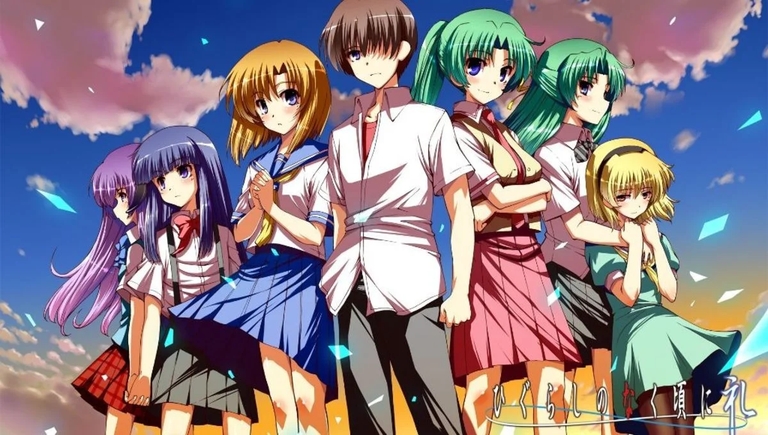
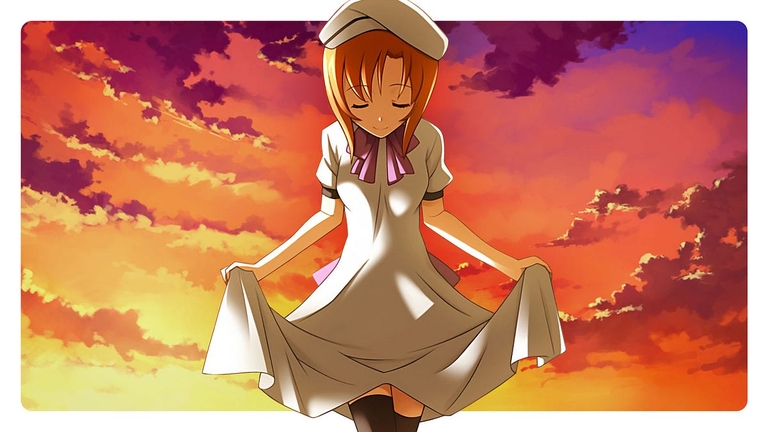
The anime and visual novel spend hours showing you these kids playing silly club games and eating snacks. They make you care about Rena's obsession with cute things and Satoko's traps and Rika saying "nipah" while drinking wine. Then they pull the rug out and show you that same Rena standing outside a door with a knife, or Satoko's uncle beating her while the town does nothing, or Rika knowing exactly how you're going to die because she's seen it a hundred times before. The horror isn't the blood. It's the realization that you don't know who these people are, and maybe you never did. You start questioning every smile, every gift, every laugh. The rice ball isn't food anymore, it's a potential weapon. The cicadas aren't background noise, they're a countdown.
The Bait and Switch Is the Whole Point
Ryukishi07, the guy who wrote this thing, apparently looked at those Key visual novels like Kanon and Air back in the early 2000s. Those games start cute and get sad. He wondered what would happen if instead of making you cry, he made you scared. That's why the first few hours of Onikakushi feel like a harem comedy. You've got Keiichi moving to a new village, meeting these girls who immediately latch onto him, playing games where they punish the loser with embarrassing outfits. It's stupid and lighthearted on purpose.
Because when Keiichi finds that sewing needle in the ohagi rice ball his friends made for him, you don't know if you're watching a ghost story or a murder plot. The confusion is what makes your stomach turn. He asks Rena about the dam project dismemberment murder and her face goes blank, then she laughs that weird laugh, and suddenly the cute girl who liked Kyuute things is talking about demons taking people away. The shift isn't just jarring, it's calculated. You feel like you fell asleep during a rom-com and woke up in a snuff film, and the characters are acting like nothing changed.
Keiichi's Brain Betrays Him
Onikakushi is where the horror really locks in, and it's not because of the gore. It's because you spend the whole chapter inside Keiichi's head while his sanity leaks out. He's an unreliable narrator, but not in a cheap way where the story lies to you. He lies to himself. He tries to rationalize the weird behavior from Rena and Mion by telling himself he's just imagining things, that they're still his friends, that villages are just weird and old-fashioned. Every time he dismisses a red flag, you feel the tension ratchet up.
When he finally sees Rena's face through the window while she's supposedly listening at his door, that moment hits hard because you've been trapped in his denial with him. You heard the footsteps on the roof. You saw the marker cross out his name in the club member list. You know something's wrong, but Keiichi keeps making excuses. "Maybe she was just picking flowers. Maybe the marker was a prank." The horror is watching someone ignore obvious danger because they can't accept that their friends are threats. By the time he's hiding in a phone booth clawing at his own throat, you don't know if he's dying from a curse or from pure psychological stress.
The Sound of Cicadas Drives You Insane
There's a reason the title references the cicadas. That constant higurashi humming in the background isn't just ambiance. It's a psychological weapon. In the quiet rural village of Hinamizawa, the cicadas never shut up. They create this oppressive wall of white noise that makes the silence even louder when something scary happens. When the sound cuts out and you hear footsteps on tatami mats, or that weird laugh Rena does, or the creak of a door, it feels like your ears are ringing.
The sound design in both the VN and anime uses this rural isolation to make you feel trapped. There's no police station nearby, no internet to call for help, just those bugs screaming while your friends act weird. It makes the village feel like it's under a dome, cut off from reality. The music boxes that play in the background of creepy scenes are worse than silence. They sound innocent but they're placed in contexts that make them feel threatening. You start associating happy sounds with imminent death.
Why the Visual Novel Scares You Differently Than the Anime
There's a huge split in the fanbase about which version is better, and it comes down to what kind of horror you want. The 2006 anime by Studio Deen is a horror mystery that hits you with visual shocks and fast pacing. It cuts a lot of the character development to get to the scary parts. The original visual novel is a slow burn tragic psychological drama where the horror comes from watching these relationships rot over days of reading.
If you play the VN, you spend so much time with these characters that when they turn on you, it feels personal. The anime has to compress that into a few episodes, so it relies more on gore and creepy faces. Both work, but the VN is about the dread of betrayal while the anime is about the shock of violence. I saw some data that said VN readers consider the anime a bad adaptation because it turns these characters into horror props instead of people you care about. The VN makes you read through pages of Keiichi's paranoia, describing every sweaty palm and racing thought, while the anime just shows you a shadowy face and a knife.
Hinamizawa Syndrome Is About Isolation
People talk about the Hinamizawa Syndrome like it's just a sci-fi parasite that makes you hallucinate and claw your throat out. But looking at it as a psychological horror device, it's a metaphor for what happens when a community turns on itself. The syndrome flares up when people feel isolated, threatened, or betrayed. It spreads through paranoia and mistrust. When Keiichi starts suspecting his friends, he literally gets sick. When the village suspects the Hojo family after the dam war, they get sick. When Shion thinks her family killed Satoshi, she loses her mind.
The horror isn't the gore of scratching your own throat. It's the idea that suspicion itself is a disease that makes you violent. The village is trapped in a cycle of death because they can't communicate honestly. Everyone's keeping secrets, holding grudges, and assuming the worst about their neighbors. The supernatural elements are just a way to visualize how toxic a closed community can become when trust breaks down. The parasites amplify what's already there: the fear of the outsider, the suspicion of different families, the trauma of the dam protests.
Satoko's Arc Shows Bureaucracy Is Scarier Than Ghosts
The Tatarigoroshi and Minagoroshi arcs hit different because they ditch the supernatural mystery for a while and focus on Satoko's abusive uncle Teppei. What's terrifying here isn't Oyashiro-sama's curse. It's the realization that Child Services won't help, the police won't interfere, and the village would rather let a kid get beaten than get involved in "family business."
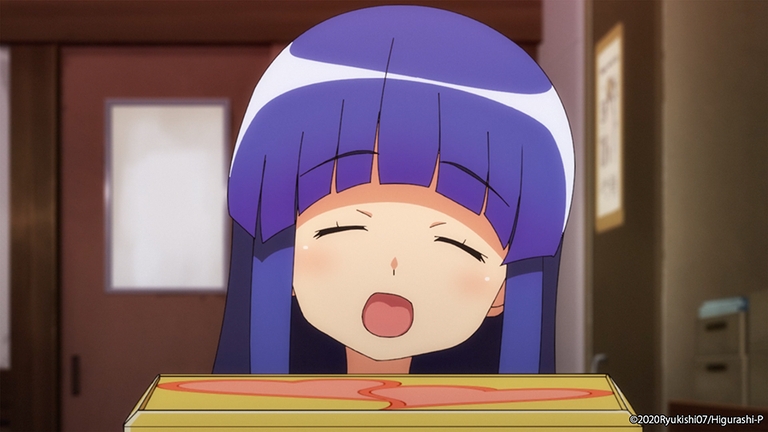
This is where Higurashi shifts from existential dread to systemic horror. Keiichi tries to solve it with a baseball bat in one timeline and it makes everything worse. The horror is that violence feels like the only option when the system fails you. Watching Satoko have panic attacks while the adults shuffle papers is more uncomfortable than any of the gore scenes because it's real. It happens every day. The scene where she's waiting at the bridge for a social worker who never comes, or when she flinches at a raised hand, hits harder than any demonic possession because you know there are real kids living through that exact scenario. The village's sin isn't demonic, it's apathy.
Shion's Breakdown Shows Grief Turned Toxic
Watanagashi and Meakashi show you what happens when grief and jealousy fester without an outlet. Shion Sonozaki starts as a prankster pretending to be her twin sister, but she devolves into torture and murder because she thinks Mion and the village killed the boy she loved. Her arc is a masterclass in showing how the syndrome doesn't just make you randomly violent, it amplifies your worst impulses. She plans revenge for a year, convincing herself that everyone is guilty.
The nail ripping scene is brutal not because of the blood, but because she thinks she's justified. She believes she's the hero of her story while murdering her own family. That's the psychological horror: the monster thinks they're the only sane one left. She looks at her twin sister and sees a stranger wearing her face. The identity confusion between the twins adds another layer where you don't know which sister is which, and neither do the characters around them.
The Club Games Were Warning Signs All Along
Look back at those stupid club games after you've seen the whole series. They're not just filler. They're showing you the power dynamics and the willingness to do anything to win. Satoko sets traps without remorse. Rena obsesses over the rules of penalty games. Mion leads with authority. These games are microcosms of how they'll behave when the stakes are life and death.
Satoko's trap-making skill becomes literally life-saving later, but it also shows how she views conflict: through trickery and pain. The club is a safe space that turns into a war room depending on the timeline. When they play those games in the beginning, you think it's cute. When you see them applied to real violence later, you realize these kids were always capable of cruelty. They were just pointing it at each other for fun before they started pointing it at each other for survival.
Breaking the Cycle Means Fixing Communication
The Answer Arcs, especially Kai, don't solve the horror with bigger weapons or exorcisms. They solve it by finally having the characters talk to each other honestly. Rika spends a hundred years dying because she tries to carry the burden alone. The solution comes when Keiichi remembers fragments of other timelines and chooses to trust his friends instead of killing them. When the village stops ostracizing the Hojo family and stands up to Child Services together, they break the fate of death.
The psychological horror only works because the characters are so bad at communicating. Once they start sharing information and believing each other, the "curse" loses its power. That fatalism in the Question Arcs comes from everyone operating in isolation, thinking they're the only sane person in a village of monsters. The horror ends not when they kill the villain, but when they decide to trust each other despite the fear. It's cheesy but it works because you've seen what happens when they don't.
Higurashi stays with you because it understands that the worst fear isn't dying. It's dying alone while thinking your best friend killed you. The higurashi psychological horror analysis always comes back to trust. When you can't tell if Rena is offering you a rice ball or poison, when you don't know if Mion is your childhood friend or a murderous twin, when you watch Satoko smile through bruises, that's the horror. The gore is just punctuation. The real story is about how suspicion destroys communities and how hard it is to really believe in someone when everything looks dark. The cicadas keep chirping, the village stays isolated, and the only way out is to decide to trust anyway.