
The haikyuu!! power system and player abilities look straightforward on paper. You've got six categories rated one to five. Power, Jumping, Stamina, Game Sense, Technique, Speed. Simple right? Wrong. This system is trash for actually figuring out who's good and who's not. It weighs physical stats way too heavy while ignoring the weird specialization that makes volleyball actually work. Four out of six categories are just body stuff while technique and game sense get shoved into the corner. That's why someone like early-series Hinata shows up with a 1 in Technique but still destroys teams, while other players have solid 4s across the board and can't carry a match.
The real power system in Haikyuu isn't about balanced stat sheets. It's about what specific thing you do that breaks the game. Kageyama doesn't need 5s in everything to be the King of the Court. He needs that 5 in Stamina and the ability to set from anywhere. Ushijima doesn't need high technique scores because his left-handed power is a system exploit by itself. The manga and anime show us repeatedly that the official stats are suggestions at best and straight lies at worst. When you look at the actual match outcomes, the numbers on the character sheets might as well be random. Those official stats create more confusion than clarity about who can actually win games.
The Official Stats Are Weighted All Wrong
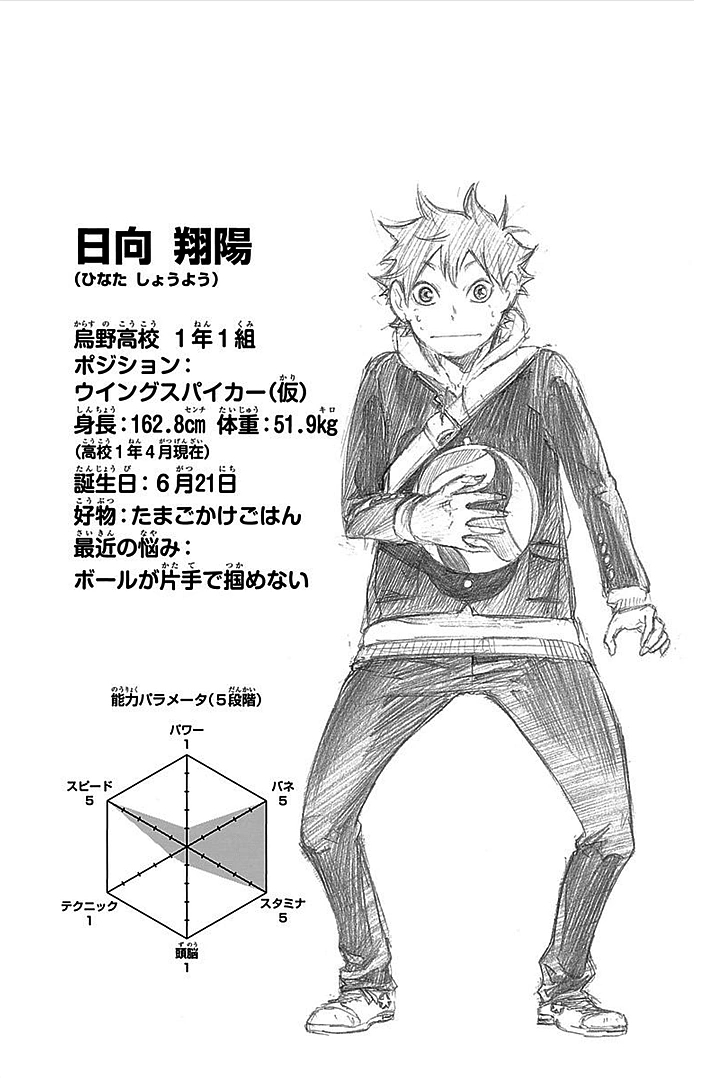
Look at the character sheets that pop up in the manga volumes. Character stat sheets show Kageyama with 4 Power, 4 Jumping, and 5 Stamina. That looks balanced on paper. But here's the problem. The system treats Power and Jumping like they matter equally for everyone. They don't. A libero doesn't need Power at all. A setter doesn't need Jumping reach the same way a middle blocker does. The categories are too broad and too generic to mean anything useful. You can't compare a wing spiker's Power stat to a middle blocker's Power stat directly because they use power differently. One blasts through blocks while the other uses it for quick tempo hits.
The physical bias is annoying and lazy. You've got Power, Jumping, Stamina, and Speed all competing for space while Technique and Game Sense get one slot each. That's stupid because volleyball is mostly about skill execution and decision making in split seconds. You can have 5 Power and 5 Jumping but if your Technique is a 2, you're spiking balls into the net or sending them out of bounds. We've seen it happen with raw athletes who can't control their bodies. Raw athleticism without control is just a liability that costs points. Meanwhile, someone like Kenma has mediocre physical stats but high Game Sense, and he controls the entire pace of the match without jumping high or hitting hard.
Hinata starts with 5 Speed, 5 Jumping, 5 Stamina, but 1 Technique and 1 Game Sense. Those bottom two should disqualify him from being effective by any normal logic. But they don't because his specific combination creates what people call the "Gravity Manipulator" effect. He bends defensive schemes just by existing in the front row. The stats don't capture that gravitational pull. They don't show how his presence opens up the court for Asahi to get single blocks instead of doubles. They don't measure how his speed changes the tempo of the entire offense just by running his approach. Reddit users figured this out years ago when they tried rebuilding the stat system with fifteen categories instead of six. They split things into Technical, Mental, and Physical sections with proper weighting because the official mix is too blunt to be useful for real analysis.
Position Specifics Change Everything
Volleyball positions might as well be different character classes in an RPG. The position guide breaks down the basics but the anime goes way deeper into how these roles actually function. Setters play a completely different game than wing spikers. Liberos are basically playing chess while everyone else is playing checkers. You can't compare their stats directly because they're solving different problems on the court.
Take the setter position specifically. Kageyama runs a 5 Stamina with 4 Game Sense and 4 Technique. That stamina stat is the real killer attribute that lets him dominate. Setters touch the ball every single play. They run the most distance during a match because they're transitioning from defense to offense constantly. They can't sub out like other positions can. A setter with 3 Stamina dies in the third set and becomes a liability. That's why Sugawara can't run the full match even though his game sense is probably higher than Kageyama's when he subs in. The physical toll breaks him down no matter how smart he is. Kageyama's 5 Stamina lets him maintain precision when other setters start lobbing sets because their arms are dead and their legs won't push off properly.
Liberos like Nishinoya and Yaku break the stat system entirely. Their stat sheets would look weird and underwhelming if we could see them. Power and Jumping would be low numbers because they don't spike or block. But their Technique for receives and Game Sense for positioning would be off the charts at 5 or maybe even 6 if the scale went higher. The official six-category system can't contain them or properly value what they do. They're defensive specialists in a game that rates offensive power too highly. Same with defensive specialists who aren't liberos. Daichi's value isn't in his Power stat but in his ability to receive serves and keep the ball in play under pressure.
Middle blockers are another weird case that the stats get wrong. Tsukishima starts with low Power but high Game Sense at 4. He can't blast through blocks like Asahi but he doesn't need to. His value is in read-blocking and funneling attackers into specific zones where the defense is waiting. Aone has the opposite build. Massive Power and Jumping with solid Technique but his game sense is just okay at 3. They play the same position totally differently and the stats suggest Aone should be objectively better but Tsukishima wins matchups through intelligence and timing rather than raw physical dominance. The numbers don't show that tactical layer.
The Evolution Problem and Timeskip Stats
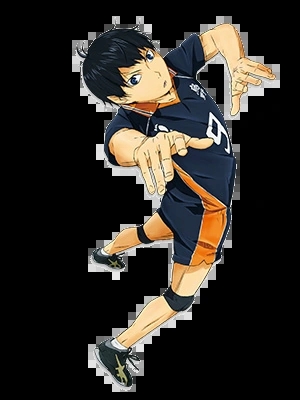
Character growth in Haikyuu isn't just about getting stronger or jumping higher. It's about filling gaps in your skill set that opponents have exploited. The timeskip data shows exactly how this works in the numbers. Hinata goes from 162.8cm to 172.2cm. His spiking reach hits 350cm. But the big change is Technique going from 1 to 5. That's not just practice. That's a complete rebuild of how he plays volleyball from the ground up.
The ball boy arc matters more than people think for understanding this evolution. Hinata spends that time learning to see the court differently. He doesn't just jump higher or run faster. He learns to receive properly, to set when needed, to control the tempo instead of just following Kageyama's lead. His post-timeskip stats reflect a player who can actually play volleyball instead of just jumping really high and hoping for the best. He joins MSBY Black Jackals not because he grew ten centimeters but because he can do everything now. He can pass. He can defend. He can tool the block with precision instead of just trying to blast through it.
Kageyama's growth is subtler in the numbers but more obvious in the gameplay. He goes from 180.6cm to 188.4cm which helps him see over the net better. His Speed jumps from 4 to 5. But the real change is in his setting choices and his willingness to adapt. Early Kageyama has perfect technique but rigid thinking that limits his hitters. Later Kageyama maintains the precision while adding creativity and trust. The stats can't show that mental shift or his improved emotional intelligence. They just show the physical results of him growing into his body.
Other players show different growth patterns that the numbers only hint at. Tsukishima bulks up and adds Power without losing his Game Sense edge. Tanaka improves his line shots and mental toughness to become a more reliable terminal hitter. Yamaguchi goes from a serving specialist who couldn't play front row to a reliable pinch server with actual court awareness and blocking ability. Each player fills different holes in their game based on their team's needs rather than just improving every stat equally.
Abilities That Break The Scale
Some players have powers that don't fit in the 1-5 boxes at all and these are usually the game-breakers. Ushijima's left-handed spike creates angles that right-handed players can't replicate no matter how high they jump. It's not just Power 5. It's a geometry exploit that breaks standard blocking schemes. The ball spins differently, drops differently, and approaches from weird angles that blockers aren't used to. Blockers can't adjust because their muscle memory is built for righties and Ushijima's approach looks wrong until it's too late.
Atsumu Miya has what people call "creative tempo." That's not a stat on any chart. That's a game-breaking ability to change the speed of sets mid-motion with perfect precision. He can make a quick attack look like a high set until the last possible second. The stat sheet says he has 4 Technique and 4 Game Sense but that doesn't capture the confusion he causes in opposing blockers who can't time their jumps against his unpredictable rhythms.
Hoshiumi is listed as having high Jumping and solid all-around stats but his real power is adaptability and court awareness. He can tool the block from anywhere. He reads defenders and places shots where they aren't looking. That's not measurable in the standard categories but it's what makes him a top player despite his height. Then there's Kita from Inarizaki. His stats probably look boring with 3s across the board. But his consistency is a superpower. He doesn't make unforced errors. In a sport where one mental lapse costs a point, having a player who never breaks mentally is invaluable. The stat system can't measure reliability or clutch performance under pressure.
Stamina Is The Real Boss Stat
Everyone sleeps on Stamina until the third set when legs start dying. Then it becomes the only stat that matters for winning close matches. The official stats show most top players with 4 or 5 Stamina and that's not accidental. Volleyball matches can run long especially in tournament formats. The Spring High tournament format means playing multiple tough matches across days with limited recovery time.
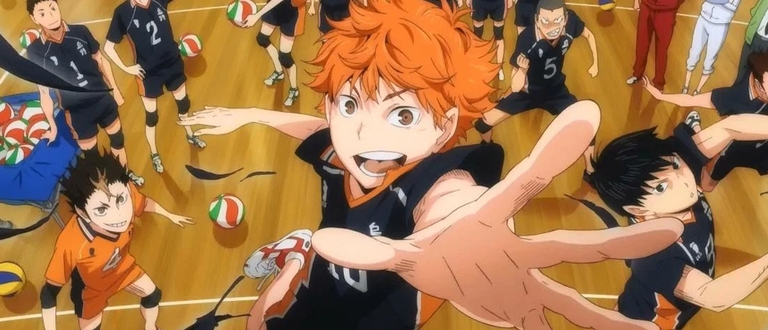
Karasuno vs Shiratorizawa goes five full sets. By the end, players are collapsing on the court. Ushijima is still bombing spikes at full power because his stamina is elite. Hinata is still running the quick attack at full speed because he has 5 Stamina. Players with lower endurance either get subbed out or become defensive liabilities that opponents target. Tanaka manages to keep his power up in the final moments because he trained specifically for endurance and mental toughness when tired.
The setter position makes this even more critical. Setters can't rest or substitute out easily. They play front row and back row. They set every single ball that comes their way. A setter with 3 Stamina loses precision in set three and becomes erratic. We've seen it happen with various teams throughout the series. The ball starts floating. The sets drift toward the net or too far off. The offense breaks down because the setter's arms are dead. Kageyama's 5 Stamina lets him run the freak quick in set five with the same precision as set one while his opponents are struggling to stand upright.
Wing spikers need it too for different reasons. Asahi has massive power but if he gasses out after twenty jumps, he's useless in the long game. The teams that win championships aren't always the most skilled. They're the ones still moving in the final set while their opponents are cramping up. Nekoma built their whole team identity on endurance and defensive consistency. They don't have the flashiest stats but they outlast you physically and mentally until you make mistakes.
Serve Specialists and The Pinch Server Meta
The stat system completely fails to account for serve specialists which is a huge part of high school volleyball strategy. Yamaguchi starts as a literal one-trick pony. All he has is the jump float serve. His Power is low. His Technique is mediocre. His Game Sense is developing. But that serve is a 5 level skill that changes matches when he subs in cold. The stats suggest he shouldn't be on the court but he wins games by breaking the opponent's serve receive formation.
Takeda figures out early that in a sport of specialists, having one guy who can break serve reception is worth more than having another decent all-around player who does nothing special. This is why pinch servers exist as a role. They come in for one play with fresh legs and specific skills to exploit tired receivers. The 1-5 stat average makes these players look weak when they have one elite skill that wins points directly.
Even regular players develop serving as a specific weapon. Oikawa's serve control is separate from his setting ability. Atsumu has a wicked jump serve that scores aces. These aren't captured in the standard six categories which lump serving under Technique or Power without capturing the specificity of serve placement and pressure.
The Professional Meta Revealed
Post-timeskip, when these guys go pro, the power system gets even more broken and specialized. Professional volleyball doesn't care about your high school stat sheet average. It cares about your one elite skill that can't be easily defended. Hinata joins MSBY because his jumping and speed translate to professional offense even though he's shorter than most pros. Kageyama plays for the national team because his setting stamina and precision are world-class.
The V-League shows us that everyone at the top has 5s in their specialty stats and varying lower numbers elsewhere. Bokuto's emotional volatility becomes manageable when surrounded by other pros who can cover his slumps. Atsumu and Osamu run their weird twin combo plays that high school stats could never predict or measure. Sakusa's weird form and high contact point work because he's specialized around it completely.
The real lesson across the whole series is that haikyuu!! power system and player abilities aren't about being good at everything evenly. They're about being so good at one specific thing that opponents have to change their entire game plan to deal with you. That's why the official stats frustrate serious analysis. They suggest a balance that doesn't exist in high-level play. You don't want balance. You want a weapon that the other team can't counter.

Volleyball isn't a video game where you level up all stats evenly. It's about finding your broken mechanic and exploiting it until someone figures out how to stop you. Then you evolve and find a new one. The numbers are just there to make guidebooks look pretty for casual fans who don't watch the actual matches closely.