
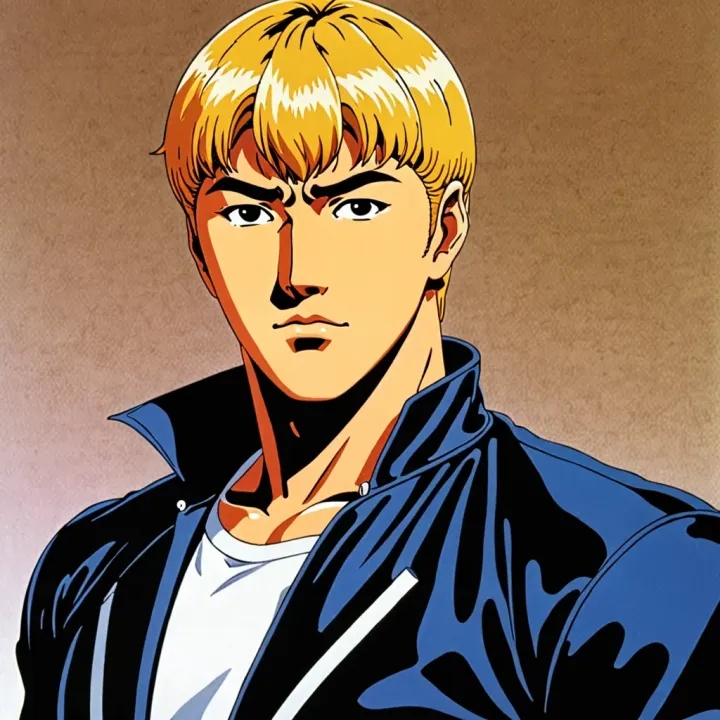
Most people who watched Great Teacher Onizuka remember the fan service. They remember Onizuka trying to peek up skirts, his obsession with losing his virginity, or those weird moments where he's basically being a complete degenerate. But that's just the paint job. The real Great Teacher Onizuka lessons on life sit underneath all that comedy like a solid steel frame. This isn't really a show about teaching algebra or grammar. It's a survival manual for a world that wants to grind you down until you fit into a little box.
Onizuka doesn't care about your SAT scores. He doesn't give a damn if you can recite the periodic table. What he teaches is how to take a hit and stay standing. How to tell a real friend from someone wearing a mask. How to look at your own broken past and wear it like armor instead of hiding it in shame. These aren't classroom lessons. They're street lessons wrapped in fart jokes and exaggerated reactions.

Own Your Damage Completely
Reddit discussions about the series keep circling back to one thing. Onizuka's entire philosophy rests on embracing yourself fully. Even the ugly parts. Especially the ugly parts. I saw some users arguing that his best lesson is that you don't need to fix yourself before you help others. You don't need to be a perfect angel to be good.
Look at his background. Former bōsōzoku gang leader. Third-rate college graduate. Virgin at 22. Socially awkward. Violent tendencies. Onizuka doesn't hide any of this. He walks into Holy Forest Academy with his bleached blonde hair and his cheap suits and he doesn't pretend to be something he's not. When students try to trap him or expose his past, he just grins and owns it. Yeah, I was a delinquent. Yeah, I'm kind of an idiot. So what?
This hits different than the usual self-help garbage. Most shows tell you to fix your flaws first. Get your act together. Become presentable. Onizuka says the opposite. He says your flaws are part of your engine. Your damage is what gives you perspective. That girl Urumi who tries to destroy him with her genius IQ? He doesn't try to outsmart her. He just accepts that she's broken too. He accepts that everyone in that classroom is carrying something heavy.
The lesson isn't to ignore your problems. It's to stop letting them disqualify you from living. Stop waiting until you're perfect to start being great.
Physical Truth Beats Polite Lies
People get hung up on the violence in this show. They see Onizuka hanging bullies off the school roof or beating up would-be rapists and they think it's just edgy 90s anime shock value. They're missing the point. Onizuka uses physical intervention because words have stopped working.
Take the famous scene where he German Suplexes the vice principal. Uchiyamada is this pathetic authoritarian who cares more about his Mercedes than the students. He's the system incarnate. Onizuka could have written a report. He could have filed a complaint. He could have had a polite meeting. Instead, he suplexes the man through a table. Apparently, this moment resonates because it shows that sometimes you need to break things to fix them.
The extra-curricular lessons aren't just abuse. When he hangs that bully over the roof, he's not trying to kill the kid. He's communicating in the only language the bully understands. Fear. Power. Consequences. The bully has been operating with impunity, hurting people smaller than him. Onizuka shows him what it feels like to be powerless. Then he pulls him back up, pats him on the head, and says something like, "Well, you won't do that again, will you?"
It's messy. It's not legally defensible. But it works because it's real. The school system wants to handle bullying with paperwork and detention. Onizuka knows that sometimes you need to show a predator that there's a bigger predator. That protection comes from strength, not policy.
The Paradox of the Flawed Teacher
There's this thing called the Onizuka Paradox in teaching that actual educators talk about. The idea is that Onizuka is effective precisely because he's not a professional. He's not trained. He doesn't follow the rulebook. He's a mess, and that mess makes him accessible.
Traditional teachers maintain distance. They wear suits and speak formally and keep their private lives locked away. Onizuka sleeps at the school. He tells students about his virginity. He cries in front of them. He fails publicly and obviously. This destroys the artificial barrier between teacher and student.
When Urumi is cheating and manipulating everyone, the other teachers want to punish her. They see a problem student who needs discipline. Onizuka sees a hurt kid who needs someone to notice she's hurting. He doesn't fix her with a lecture. He takes her to an amusement park. He shows her that fun exists. That not every adult is going to betray her.
The paradox is that by being the worst possible teacher on paper, he becomes the only one who actually reaches these kids. He treats them like humans instead of students. He doesn't have the professional detachment that kills empathy.
Street Smarts Over Book Smarts
The show spends a lot of time mocking academic achievement. There's that whole arc where Onizuka has to take the SAT to prove he's qualified to teach. His students hack the school systems to try to make him fail. The irony is thick enough to cut with a knife.
Onizuka can barely read at a college level. He doesn't know history or science. But he knows when someone's lying. He knows how to negotiate with gangsters. He knows how to survive on the streets of Tokyo with no money. These skills keep him alive and help his students more than any calculus lesson ever could.
The series argues that the education system is teaching the wrong things. It's teaching kids to memorize and obey. Onizuka teaches them to think. To question. To fight back against unfairness. When the school administration is corrupt, when parents are abusive, when the system itself is the enemy, book smarts don't help you. Guts help you. Loyalty helps you. The ability to take a punch and keep talking.
This resonates because it's true. Most people don't use 90% of what they learned in school. But everyone needs to know how to stand up to a bully. How to recognize when someone's manipulating you. How to keep going when everything sucks.
The Virginity Thing Is Deeper Than You Think
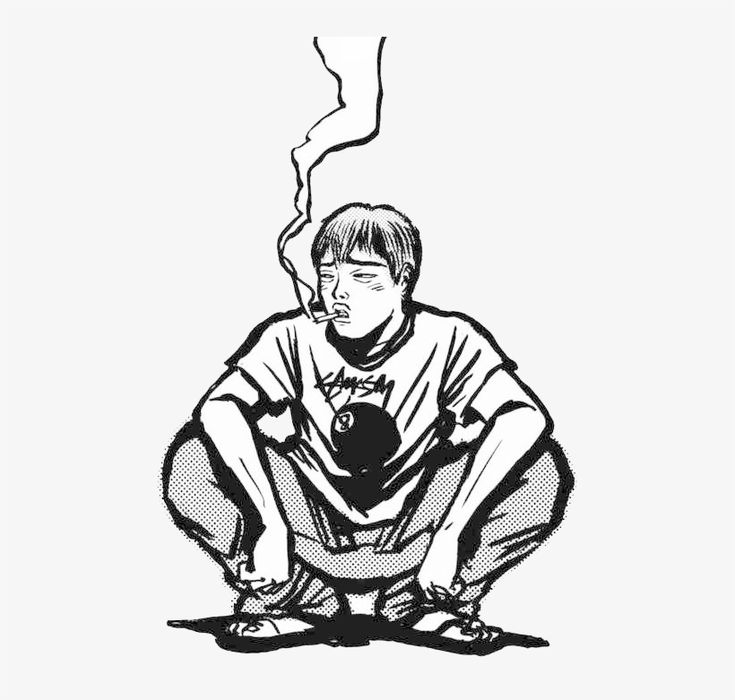
Yeah, Onizuka carries a condom in his wallet that says "CONGRATULATIONS ON YOUR FIRST TIME." Yeah, he wants to meet a high school girl and lose his virginity. On the surface, it's a gross running gag. But underneath, it's actually about standards and meaning.
According to some deep dives into the character, Onizuka's virginity represents his refusal to settle for empty connections. In the prequel manga Shonan Junai Gumi, he had chances to sleep with girls. He turned them down. Not because he's a prude, but because he wanted it to mean something. He wanted the right person, not just any person.
This fits with his whole philosophy. He doesn't do anything halfway. When he decides to be a teacher, he commits completely. When he decides to help a student, he risks his life. When he eventually finds someone he actually cares about, he's not just trying to score. He's looking for a real connection in a world full of transactional relationships.
The lesson here is about not selling out. Not taking the easy path. Whether that's easy sex, easy money, or easy answers. Onizuka waits. He suffers. He gets made fun of. But he keeps his standards high even when nobody's looking.
Handling Real Trauma Without the Therapy Buzzwords
GTO doesn't pull punches with the darkness. You've got Urumi's suicide attempt. You've got Miyabi's sexual abuse by a former teacher. You've got kids with neglectful parents, kids being bullied to the edge, kids with eating disorders, kids with every kind of broken home situation you can imagine.
Modern shows would handle this with careful language. Trigger warnings. Therapeutic dialogue. Onizuka handles it by being there. Physically present. He doesn't send kids to counseling. He doesn't fill out incident reports. He climbs buildings. He crashes through windows. He sits with them while they cry.
When Urumi tries to jump, he doesn't give her a lecture about her future. He just catches her. Then he spends the next however many episodes proving that she matters. Not because she's smart or pretty or useful, but because she exists.
The lesson is that trauma doesn't get fixed by talking about it in a clean office. It gets fixed by someone proving through actions that the world isn't completely evil. That someone has your back even when you're acting unlovable. Onizuka never gives up on a student. Not when they hate him. Not when they try to kill him. Not when they reveal the darkest parts of themselves.
Loyalty Is Everything
The bōsōzoku background isn't just flavor text. It teaches Onizuka a code that the academic world has forgotten. Loyalty. Brotherhood. Standing by your friends even when it's inconvenient or dangerous or stupid.
He brings this code into the classroom. Once you're his student, you're his responsibility forever. He doesn't clock out at 3 PM. He doesn't stop caring when the school year ends. The kids from Class 3-4 become his family. He fights yakuza for them. He destroys his own career for them. He bleeds for them.
This is the lesson that hits hardest for people who grew up without strong family bonds. Onizuka creates a found family. He proves that you can choose your people. That loyalty isn't about blood. It's about who shows up when everything is on fire.
When Kunio's mother is being harassed, Onizuka doesn't care about the legal implications. He steps in. When Yoshikawa is being tortured by bullies, Onizuka doesn't follow protocol. He intervenes directly. This kind of loyalty is rare. It's messy. It gets you in trouble. But it's the only thing that actually matters when life gets hard.
The System Is Broken And You Know It
One of the most solid lessons from the series is that you shouldn't trust institutions. The school administration in GTO is corrupt, lazy, and self-serving. The teachers are either burnt out, power-hungry, or too scared to actually help. The parents are often absent or abusive. The police are useless. The system isn't designed to protect kids. It's designed to protect itself.
Onizuka operates outside this system. He breaks laws. He ignores rules. He challenges authority figures who hide behind their titles. The anime acts as a critique of Japanese social structures, but it applies everywhere. Bureaucracy kills humanity. Paperwork replaces care. Policies replace courage.
The lesson is to stop waiting for permission. Stop waiting for the system to save you. If you see someone hurting, help them. If you see something wrong, fix it. Even if it's not your job. Even if you get in trouble. The rules are often there to protect the powerful, not the vulnerable.
Onizuka teaches that moral courage matters more than institutional loyalty. When the vice principal cares more about the school's reputation than a student's life, Onizuka chooses the student. Every time. Without hesitation.
Whatever You Do, Be Great At It
The final lesson, the one that gets repeated like a mantra, is simple. "Whatever you do, be GREAT!" Onizuka doesn't care what you choose to do with your life. Be a teacher. Be a gangster. Be a convenience store clerk. But be great at it. Commit fully. Don't half-ass your existence.
He applies this to everything. When he's trying to win a bet, he goes all in. When he's helping a student, he risks his life. When he's being an idiot, he's the biggest idiot in the room. There's no moderation with him. No playing it safe.
This is the lesson that changes lives. Most people drift through their days. They do the minimum. They watch the clock. They wait for the weekend. Onizuka says that's a waste of oxygen. If you're going to do something, pour your soul into it. Even if that thing is just being a decent human being. Be the greatest decent human being you can be.
The tears he cries at the end of episodes aren't sad tears. They're tears of joy when someone achieves something. When a student breaks through their shell. When someone chooses to live instead of die. When someone decides to be great instead of average. He cries because he knows how hard it is to make that choice.
Why the Live Action Hit Different
The 1998 live action adaptation starring Takashi Sorimachi took these lessons and made them visceral. Some viewers report that the drama version changed their actual lives. It wasn't just entertainment. It was a philosophy.
The live action strips away some of the anime's exaggerated comedy and leaves the raw emotional core. Onizuka's smile. His loyalty. His refusal to give up. These become more grounded and therefore more powerful. When he tells a student they're great, you believe it could actually happen. That a real teacher could actually care this much.
The lessons don't change between mediums. But the impact does. Watching a real human being embody these principles hits harder than animation. It proves that the Onizuka method isn't just cartoon logic. It's a viable way to live.
The show argues that life isn't about finding yourself. It's about creating yourself. Every day. Through your choices. Through your loyalty. Through your willingness to be ridiculous if it means protecting someone vulnerable. Onizuka starts as a joke and becomes a legend. Not because he got smarter or richer. But because he decided to be great at caring about people.
That's the lesson that lasts. Everything else is just noise.