

Great Teacher Onizuka lessons in life and modern controversies hit harder now than they did back in 1999. People see the first three episodes and think they are watching some trashy comedy about a guy who wants to hook up with high school girls. They drop it right there and they are missing what might be the most brutal honest critique of the Japanese education system ever animated. The show is messy, sometimes gross, and occasionally hard to defend by modern standards. But it is also the only anime I have seen that understands what it actually means to reach a kid who has been failed by every adult in their life.
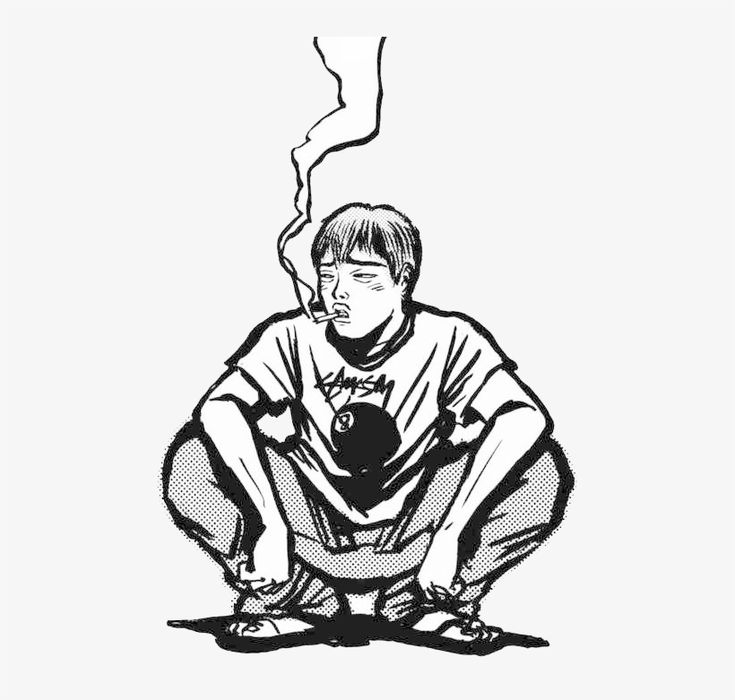
The thing about Eikichi Onizuka is that he should not work as a protagonist. He is twenty-two years old, a former bosozoku biker gang leader, a second-degree black belt, and according to the source material he is still a virgin which the series treats like a punchline and a philosophical stance at the same time. He gets hired at Holy Forest Academy not because he is qualified but because they are desperate. Class 3-4 has driven away every previous teacher with psychological warfare, physical violence, and one guy apparently got convinced to quit by a student who hacked the school system. Onizuka walks into this meat grinder with no teaching credentials, no lesson plans, and a stated goal of eventually marrying a sixteen-year-old student which yeah, that part has not aged well and we need to talk about it.
The Pervy Stuff That Makes People Quit
The first twelve episodes are a trial by fire for modern viewers. The anime leans heavy on sexual humor that feels uncomfortable now and honestly was pushing it even then. You have Onizuka openly fantasizing about his students, trying to peek up skirts, and making comments about the age of consent that the show treats as jokes. A lot of people bail during this stretch and I get it. It is rough to watch a protagonist be this aggressively horny toward minors even if the series never actually has him succeed or follow through.
What is weird though is that around episode thirteen the show shifts gears hard. The focus moves off Onizuka's desperation to get laid and onto the actual students and their trauma. You start getting into the real meat of the series which is about kids who are broken by a system that only cares about test scores and college placement. The pervy humor does not totally disappear but it gets dialed way back and repurposed as this running gag where Onizuka is all talk and zero action. He is the dog who chases cars but would not know what to do with one if he caught it. That virginity thing becomes less about sex and more about him being this weird pure soul who has not been corrupted by the adult world he is trying to enter.
Still, that early content creates a legitimate modern controversy. When you rewatch GTO in the current year you have to reconcile the fact that the hero spends the first third of the show being a creep. Some folks say it is satirical commentary on Japanese gender dynamics. Others say it is just the author writing his fetishes into the story. I think it is both and that tension is part of what makes the show feel so raw and unpolished. It is not trying to sanitize Onizuka or make him palatable for Western sensibilities. It just throws this flawed guy at you and says deal with it.
Teaching Without The Hierarchy
The core philosophy of Great Teacher Onizuka lessons in life and modern controversies centers on this idea that teachers should stop acting like they are better than their students. Traditional education in Japan when this was made and honestly still now runs on this rigid hierarchy where the teacher speaks and the student obeys. Onizuka blows that up immediately. He treats the kids like peers, like actual human beings with their own agency and pain, and that is why he gets through to them when nobody else could.
Take the Urumi Kanzaki arc. She is this fourteen-year-old genius who spends her time humiliating teachers by exposing their lack of knowledge or hacking the school records. The faculty wants her expelled or medicated. Onizuka catches her cheating on a test and instead of punishing her he tries to figure out why she is so angry at the world. Turns out she was failed by a teacher she trusted years ago who outed her as a test tube baby to the whole class. Her intelligence is a defense mechanism and her cruelty is a cry for help. Onizuka reaches her not by outsmarting her but by bringing his biker gang friends to an amusement park and showing her that learning can be fun and that her life has value beyond her IQ score.
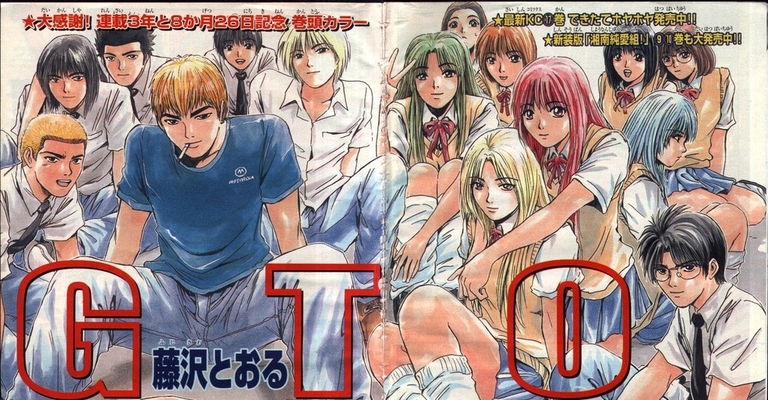
That scene where they are on the roller coaster and she is screaming and laughing for the first time in years hits different. He is not lecturing her about morality or telling her to respect her elders. He is just being present with her pain and showing her that the world is bigger than her trauma. That is the teaching method that makes GTO matter. It is not about the curriculum. It is about seeing the kid as a whole person.
The Bullying Arc That Goes Too Far
There is this stretch with Noboru Yoshikawa where the show gets really dark. He is this quiet kid getting tortured by a group of girls who put thumbtacks in his shoes and take compromising photos of him. Standard bullying stuff but depicted with this visceral cruelty that makes you want to look away. When Onizuka finds out he does not go to the administration because he knows they will cover it up to protect the school's reputation. Instead he kidnaps the bullies, ties them up, and fakes selling them to perverts to make them feel the same fear they inflicted.
It is messed up. It is illegal. It would get any real teacher arrested and fired immediately. But within the logic of the show it works because these girls have never faced consequences. They have been protected by their grades and their family connections. Onizuka breaks through their armor by showing them they are not untouchable. Then he beats up the actual bad guys and rescues them because that is the kind of guy he is. He will scare you straight but he will also take a beating for you if it comes down to it.
This is where the modern controversy kicks in again. People look at this and say it glorifies vigilante justice and toxic masculinity. Maybe it does. But it also captures something real about how bullying works in Japanese schools where the nail that sticks up gets hammered down. The system protects the institution, not the victim. Onizuka is the chaotic neutral force that disrupts that balance. He is not a good teacher by any metric that would show up on a performance review. He is a solid teacher because he cares more about the kid's survival than his own job security.
The 90s Context You Need
You cannot understand why this anime feels the way it does without knowing Japan in the 1990s. The economic bubble had just burst. The endless growth that defined the 80s was over and suddenly you had a generation of kids facing a future with no guaranteed jobs. The bosozoku biker gangs were dying out because kids could not afford bikes anymore. The pressure to succeed in school got turned up to eleven because competition for university spots became insane.

GTO captures that anxiety perfectly. Vice Principal Ochiyamada is not just a cartoon villain. He is the embodiment of a system that cares more about appearance than substance. He will cover up bullying, ignore student mental health, and fire good teachers to protect the school's ranking. Onizuka represents the old chaotic freedom of the 80s crashing into the rigid structured desperation of the 90s. He is a relic of a time when you could screw up and still be okay, teaching kids who think one bad test score means their life is over.
That is why the age of consent jokes and the sexual humor feel so jarring now. They are remnants of a different cultural moment that we have rightly moved past. But the core message about educational pressure and the disconnect between generations is somehow more relevant now than it was then. Kids today are dealing with the same anxiety amplified by social media and economic instability.
Why The Ending Disappoints Everyone
The anime covers about the first half of the manga and then invents its own ending because they ran out of source material. It is rushed. It has Onizuka taking the fall for a crime he did not commit and riding off on his bike into the sunset while his students cry and beg him to stay. It is dramatic and cinematic but it leaves a lot of threads dangling.
If you want the full story you need to read the manga which continues with more arcs including the SAT examination sabotage where the kids try to ruin Onizuka's teaching credentials by hacking the testing system. That arc is brilliant because it shows the students actively trying to destroy his career while he is just trying to prove he deserves to be there. It is messy and complicated in a way the anime ending is not.
The live action adaptations are worth mentioning too though they tone down the pervy stuff significantly. The 1998 drama version is actually what made the series famous before the anime even aired. But for pure chaotic energy the 1999 anime with Steven Blum doing the English dub is the way most Western fans experienced it. Blum's voice work captures that weird mix of sleaze and genuine warmth that makes Onizuka work as a character.
The Lessons That Actually Stick
People remember the comedy. They remember the scene where he suplexes a vice principal or the time he poops in a pizza box as revenge. But the parts that stay with you are the quiet moments where a kid realizes they are not worthless. The Tomoko arc where this awkward girl enters a beauty pageant to prove she has value beyond her grades. The scene where Onizuka tells a suicidal student that failing is okay and that living is more important than being perfect.
That is the real Great Teacher Onizuka lessons in life and modern controversies. It is not about the gimmicks or the crude humor. It is about this former delinquent who never grew out of being a dumb teenager teaching actual teenagers that they do not have to become the miserable adults who failed them. He is flawed, sometimes indefensible, and completely authentic. In a medium full of perfect heroes and sanitized morality, GTO stands out because it is willing to be ugly and honest about how hard it is to save a kid's life.
The controversy will never go away. The early episodes are hard to defend and the age gap stuff between Onizuka and Urumi which the series kinda ships is weird. But if you can get past the rough edges there is something here that no other school anime has managed to replicate. It is not Assassination Classroom with its superpowers and perfect plotting. It is not Gokusen with its yakuza polish. It is just a sweaty guy on a bike who cares too much and knows exactly how it feels to be the problem child everyone gave up on.
That is why it still matters twenty-five years later. We still have kids falling through the cracks. We still have systems that care more about metrics than mental health. And we still need teachers who are willing to get fired if it means keeping a kid alive. Onizuka is not a role model but he is a reminder that sometimes the only way to reach someone is to meet them where they are, even if that place is messy, angry, and completely unacceptable to the people in charge.