
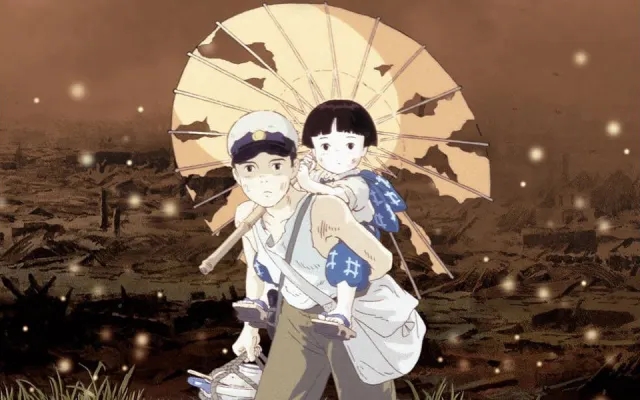
Grave of the Fireflies anime movie analysis usually gets stuck on the word anti war like it's the only label that matters. People watch Seita and Setsuko starve to death in that cave and they think yeah war is hell without looking any closer. Director Isao Takahata hated that reading. He said straight up that wasn't the point and if you stop there you're missing the actual blade that cuts through this story.
The film isn't about bombs falling or armies clashing. It's about what happens when a 14 year old boy decides he'd rather die with his dignity intact than accept help from people he thinks are beneath him. It's about social systems crumbling and how communities turn their backs on the weak when resources get tight. The war is just the weather. The tragedy is human.
Why Takahata Rejected The Anti War Label
Everyone wants to put this movie in a box marked pacifist propaganda. Roger Ebert called it one of the greatest war films ever made and that's technically true but also misleading. Takahata gave interviews where he explained that if he wanted to make an anti war statement he would have shown different scenes. He would have focused on the pilots or the politicians or the generals sending people to die. Instead he focused on a kid who couldn't swallow his pride long enough to keep his sister alive.
The film opens with Seita dying alone in a train station. We see his ghost watch his own body get picked at by crows while other commuters step over him like he's trash. That structure isn't there to say war is bad. It's there to say look at what happens when you choose isolation over community. Look at how a society lets children die because they're inconvenient.
Some analyses suggest the movie is about the period immediately after the war ends not the conflict itself. That's crucial. The bombing stops. The surrender happens. Japan starts rebuilding. And still these two kids die in a cave because their aunt doesn't want to feed them and their neighbors won't help and Seita won't beg. The war created the conditions but human failure delivered the death blow.
Seita's Fatal Pride
People get defensive about Seita because he's a child and he's suffering and he loves his sister. All true. But loving someone doesn't mean you're making smart choices to keep them alive. Seita had options. He had an aunt who would have kept them fed if he'd just contributed to the household labor and shown some humility. He had a doctor who told him Setsuko needed food. He had chances to return to the aunt's house after leaving. He chose the cave. He chose independence over survival.
There's a specific moment where he withdraws his mother's savings from the bank. He buys a stove and cooking supplies and thinks he's won. He sets up this pathetic little domestic fantasy in an abandoned bomb shelter while his sister's skin starts cracking from malnutrition. He had money that could have bought rice from farmers. He had assets he could have traded for help. Instead he bought into this weird romantic ideal of him and Setsuko against the world.
Japanese audiences apparently view Seita differently than Western viewers. In Japan he's often seen as selfish and prideful. In the West people want to blame the aunt or the war or the system but rarely the protagonist. That's a cultural gap that reveals a lot about how we view individual responsibility versus collective survival. The film isn't about the war killing them it's about Seita's inability to accept that he needed help.
The Aunt Was Just Surviving
Western viewers love to hate the aunt. She's cold. She sells their mother's kimonos for rice. She complains about them not working. She represents the adult world failing the children. But look closer at what she's actually dealing with. She's feeding multiple mouths during total societal collapse. Food isn't just scarce it's nearly impossible to find. She asks Seita to help with labor and he sulks. He thinks he's above farm work because his father is a navy officer.
The aunt isn't evil. She's pragmatic. She's cruel by our standards but by the standards of 1945 Japan she's trying to keep her own family alive. When Seita leaves with Setsuko she doesn't chase them because she's relieved. That's ugly but it's realistic. Communities break down when resources vanish. People choose their own blood over strangers. The film doesn't judge her for this. It just shows it.
There's a deeper look at why the aunt isn't the real villain in Takahata's work. He wasn't interested in easy bad guys. He wanted to show how regular people become harsh when their survival is threatened. The aunt is a mirror of what society becomes when the structure collapses. She's not a monster. She's a warning.
The Real Story Behind The Fiction
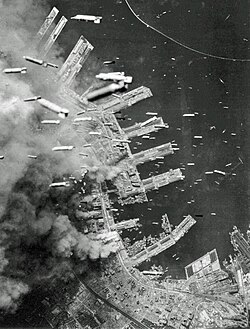
Akiyuki Nosaka wrote the original short story as an apology to his sister. He survived the Kobe firebombing. She didn't. He carried that guilt for decades and the semi autobiographical nature of the source material explains why Seita isn't portrayed as a perfect hero. Nosaka wasn't writing a martyrdom tale. He was confessing. He was saying I failed and I can't forgive myself.
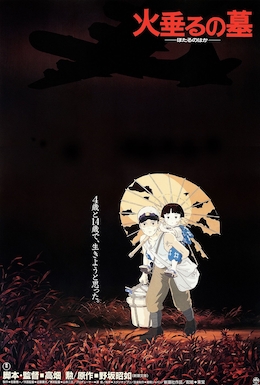
The real Setsuko died of malnutrition just like in the film. The real Seita didn't steal enough or work enough or beg enough to keep her alive. The fruit drops tin that becomes a symbol in the movie was real. Nosaka kept his sister's ashes in it. That detail destroys me every time I think about it. The movie isn't fiction comforting us with distance. It's a dead man's confession animated with brutal honesty.
When you understand that the story is survivor's guilt made visual you understand why it can't be a simple anti war film. Nosaka wasn't saying don't have wars. He was saying look at what I did. Look at how I let her die. The historical context of 1945 Kobe matters here because it wasn't just bombs that killed people. It was the slow grind of starvation that came after.
Animation That Hurts More Than Reality
People still think animation is for kids or fantasy or things that can't happen in real life. Takahata proved them wrong. There's something about the hand drawn quality of Grave of the Fireflies that makes the suffering stick to your bones worse than live action would. Maybe it's because animation forces you to look without the distraction of actor faces you recognize. Maybe it's the way the colors shift from bright summer skies to gray ash.
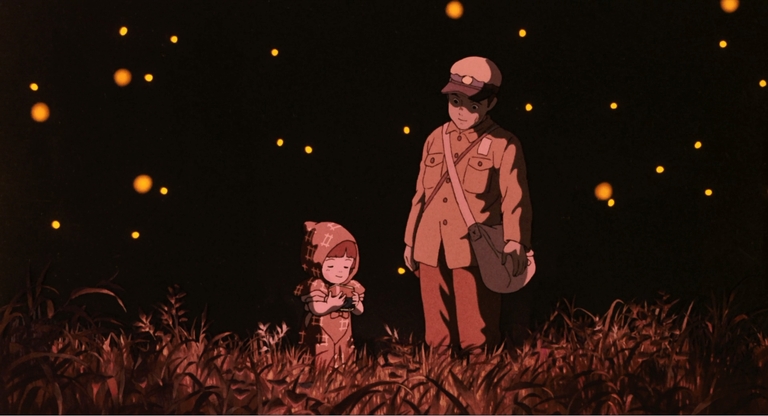
The fireflies scene is the perfect example. Setsuko catches glowing bugs and they light up the cave and for a moment it's beautiful. Then they die. She buries them and asks why they have to die so soon and you realize she's talking about herself. She's talking about childhood and innocence and how the war snuffed it all out. In live action that might play as cheesy. In animation it feels like someone punching a hole through your chest.
Takahata used silence like a weapon. Long stretches with no music. Just the sound of breathing or fire crackling or distant planes. Then when music hits it sounds like air raid sirens. He understood that animation could depict profound human suffering without the distance of documentary realism. He made you feel like you were there in that cave watching the light leave a little girl's eyes.
Comparing To Other War Stories
Barefoot Gen gets mentioned alongside Grave of the Fireflies a lot. Both are animated Japanese films about WWII civilian trauma. But Gen is overtly anti war. It shows the atomic bombing of Hiroshima with graphic horror. It indicts the military government. It has a political message that hits you over the head. Grave of the Fireflies does none of that.
In This Corner of the World is another comparison point. That film shows daily life during the war with a softer touch. It looks at how people adapted and survived. Grave of the Fireflies is the dark mirror. It's what happens when adaptation fails. When the will to survive meets the inability to compromise.
The difference matters. If you watch all three you start to see the spectrum. Gen says war is monstrous and governments are evil. Corner of the World says people are resilient and life goes on. Fireflies says sometimes people break and take others down with them. Sometimes the monster is just pride.
The Symbols That Break Your Heart
Everyone talks about the fireflies. They're the obvious metaphor. Fragile lights that die too soon. But the fruit drops tin is the one that really gets me. It's a real object from Nosaka's life. In the film it starts full of candy and ends up holding Setsuko's ashes. That's the whole story right there. Childhood sweetness turned to death.
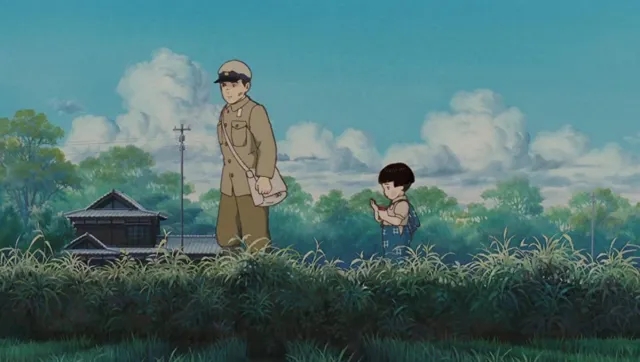
The color palette deserves mention too. Early scenes have rich browns and greens. The country looks beautiful even as it burns. By the end everything is gray and brown mud. The fireflies provide the only light in the darkness and even that fades. It's not subtle but it works because the story earns the sadness.
Even the umbrella Seita carries becomes a symbol of protection that fails. He tries to shield Setsuko from the rain and the sun and the bombs but he can't shield her from starvation. Objects take on weight when people are dying. A cooking pot. A mosquito net. These things become lifelines that snap.
Why We Keep Watching Something This Painful
Nobody rewatches Grave of the Fireflies for fun. You watch it once and it sits in your chest like a stone. But people keep recommending it. They keep showing it to kids in history classes. They keep writing analysis pieces about why it matters. Why?
Because it refuses to lie to us. Most war films let us off the hook. They let us blame the enemy or the government or the soldiers. This film says no. Look at the civilian. Look at the neighbor. Look at the brother. The violence is in the structure but the death is personal. That's harder to shake.
It also matters because it preserves a specific historical moment. The firebombing of Japanese cities killed more people than the atomic bombs but gets less attention in Western media. This film is a memorial to those deaths. Not a celebration. Not a political statement. Just a record that this happened and these people mattered.
The film's message about social isolation resonates today because we still live in a world where children starve while resources exist. We still live in a world where pride prevents help and communities fail the vulnerable. The war setting is specific 1945 but the human failure is timeless.
The Final Scene And What It Means
Seita dies in a train station surrounded by people who don't care. The war is over. Japan lost. Americans are handing out candy. And this kid dies of starvation in the corner while everyone else moves on. That's the final gut punch. Not the bombing. Not the cave. The indifference.
His ghost joins Setsuko's and they sit on a hill overlooking modern Kobe. They're together but they're dead. Some people find this ending hopeful. At least they're reunited. I find it terrifying. They died for nothing. Their deaths didn't change the war. They didn't teach anyone a lesson. They just died because the world failed them and their brother couldn't accept help.
That's the truth Grave of the Fireflies forces us to sit with. Death isn't always meaningful. Suffering doesn't always have a purpose. Sometimes kids die in caves because we don't have enough empathy to go around. Calling it an anti war film lets us off too easy. The war ended and they still died. The problem was us.