
Female character archetypes in anime get a bad rap from people who don't understand how Japanese animation production actually works. Look, when you're churning out twelve episodes across three months with budgets that would make a Hollywood accountant cry, you don't have time to invent complex psychological profiles from scratch for every single cast member. You need shorthand. You need code. That's exactly what these archetypes are. They're compression algorithms for storytelling, efficient packets of emotional information that tell the audience exactly what they're getting before the character even opens her mouth.
The most famous of these compression tools are the dere types, and if you've watched more than three anime series, you've already met them. They work because they tap into specific emotional beats that viewers recognize instantly. The writers aren't being lazy when they deploy a tsundere. They're being practical. They're saying "this character is defensive but vulnerable" without spending three episodes proving it through slow burn dialogue. You see the blonde twin-tails and the sudden blush, you know the deal. It's visual and behavioral coding that saves screen time.
The Dere Taxonomy and How It Works
The suffix "dere" comes from "deredere," which roughly means lovey-dovey or infatuated. When you attach different prefixes, you get different flavors of how that affection manifests. This isn't just fan terminology that got out of hand. These categories exist because they describe observable patterns that actually work in storytelling. The dere breakdown covers the technical definitions, but here's what matters for actually watching anime.
Tsundere: The Defensive Wall
Tsundere is probably the most common female character archetype you'll run into, and it's also the most misunderstood by casual viewers. The formula is simple: the character acts hostile, aggressive, or cold toward someone they actually like, usually the protagonist. This isn't just "being mean." It's a defensive mechanism. The "tsun" part comes from "tsuntsun," meaning aloof or prickly. The "dere" part is what happens when that shell cracks.
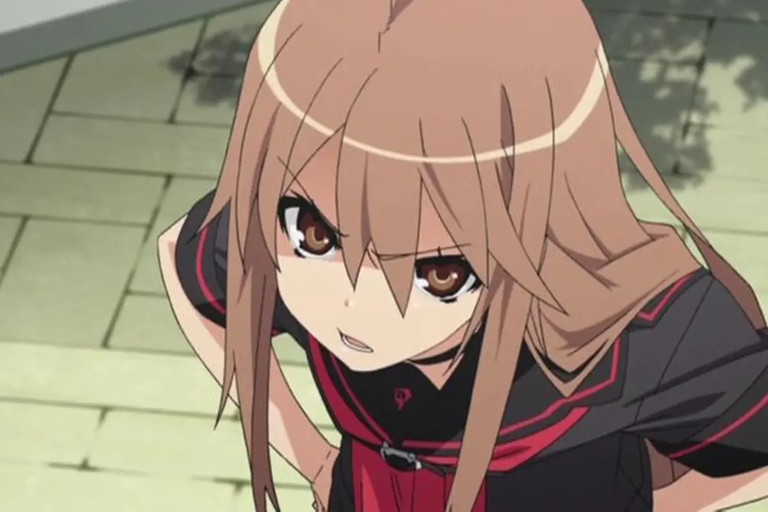
Taiga Aisaka from Toradora is the textbook example, though people often cite Asuka from Evangelion as the prototype. The thing about tsunderes is that they need a reason for the defense. Usually it's insecurity, past trauma, or just being terrible at processing emotions. Tsundere characters like Rin Tohsaka from Fate stay night work because their aggression comes from a specific place of competence and pride. They're not just randomly violent. They're protecting something soft inside by building a spiky exterior.
The evolution of the tsundere has split into two camps. You've got the "classic" tsundere who genuinely warms up over time, and the "modern" tsundere who stays aggressive but shows occasional moments of vulnerability. Both work, but the modern version tends to frustrate viewers who want to see actual character growth rather than just repeated tsun-to-dere switch flips.
Yandere: The Obsession Engine
If tsundere is defensive, yandere is offensive. These characters appear sweet, loving, and supportive on the surface, but underneath they're violently obsessed with their love interest to the point of psychosis. The "yan" comes from "yanderu," meaning mentally ill or sick. This isn't cute jealousy. This is "I'll kill your friends so you have no one but me" territory.
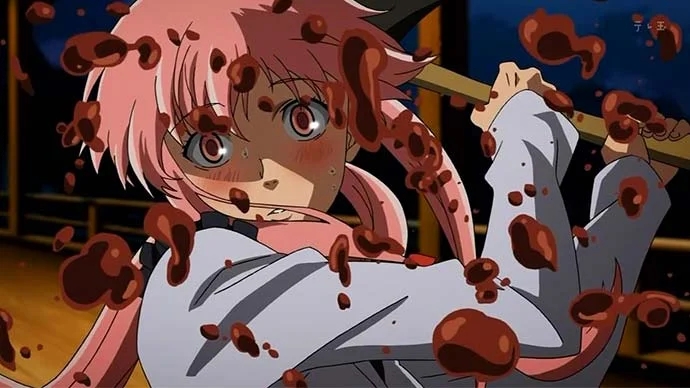
Yuno Gasai from Future Diary is the character who defined this archetype for modern audiences. Before her, you had Kotonoha from School Days, but Yuno took the concept to its logical extreme. What makes yanderes fascinating from a writing perspective is that they remove the will of the protagonist from the equation. The story stops being about "will they get together" and becomes "will the protagonist survive the relationship." Yandere analysis points out that these characters often have backstories involving severe abuse or isolation, which explains but doesn't excuse the behavior.
The danger of the yandere archetype is that it can romanticize stalking and abuse if the writer isn't careful. Good yandere stories treat the character as a horror element. Bad ones treat her as a quirky girlfriend who just happens to carry knives.
Kuudere: The Ice That Doesn't Melt
Kuuderes are calm, collected, and emotionally detached. They speak in monotone, they don't react to crises, and they seem to lack empathy. The "kuu" comes from "kuuru," the Japanese pronunciation of "cool." But here's the trick: they do feel things, deeply. They just don't show it through conventional emotional displays.
Rei Ayanami from Neon Genesis Evangelion established this template. She's quiet, she's strange, and she moves through the plot like she's following instructions rather than making choices. Later kuuderes like Yuki Nagato from Haruhi Suzumiya refined the concept. The appeal of the kuudere is the fantasy that if you just try hard enough, you can be the special person who breaks through their shell. It's the emotional equivalent of mining for diamonds.
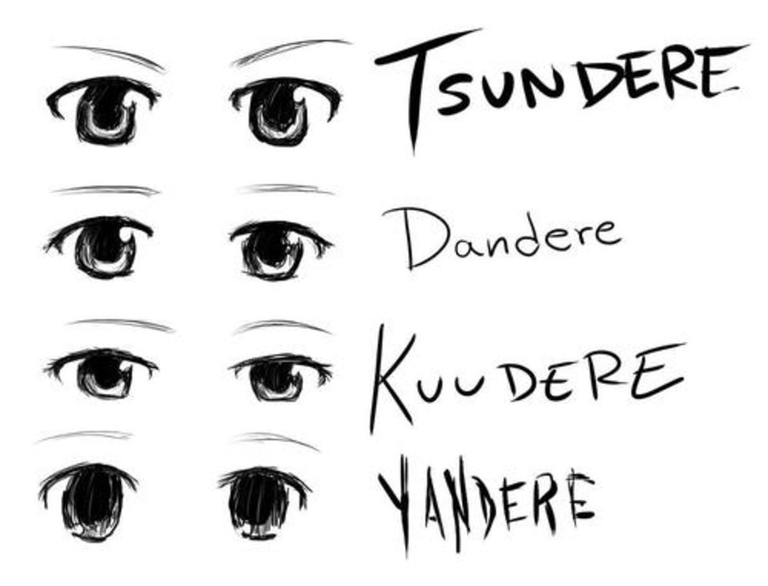
What separates kuudere from dandere is competence. Kuuderes are usually highly capable. They're the stoic soldiers, the mysterious transfer students with perfect grades, the androids who process data faster than humans. Their emotional distance comes from trauma, dissociation, or literal non-human status, not from shyness.
Dandere: The Quiet Storm
Danderes are shy. Not just a little shy. We're talking social anxiety that makes them unable to speak in front of crowds, or sometimes unable to speak at all except to one specific person. The "dan" comes from "danmari," meaning silence. These characters aren't cold like kuuderes. They're warm but trapped inside their own heads.
Hinata Hyuga from Naruto is the classic example. She stutters, she looks at the floor, she blushes if the protagonist even glances her way. Dandere characters often have rich inner lives that we only see through internal monologue or when they finally open up to their trusted person. The narrative function here is to give the audience a "project." The dandere needs to be drawn out, and the viewer gets to watch that slow unfolding.
The problem with danderes is that they can become doormats if the writer isn't careful. Shyness isn't a personality, it's a barrier. Good dandere characters have actual interests and skills that they're just too anxious to show off. Bad ones are just quiet and wait for the protagonist to solve their problems.
Beyond the Big Four
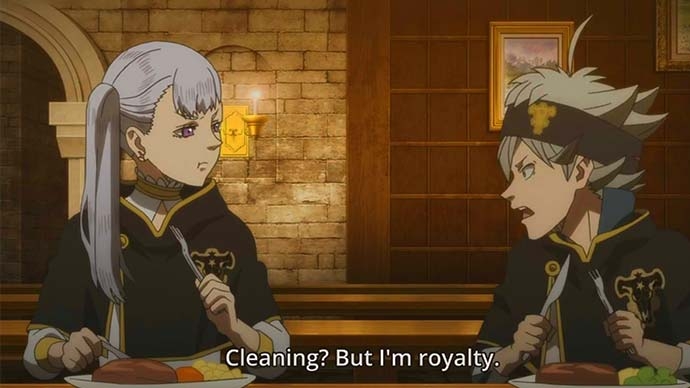
The dere types get all the attention, but they're not the only female character archetypes in circulation. You've got your himederes, who demand to be treated like royalty. Noelle Silva from Black Clover fits this bill perfectly. She's a noble who looks down on commoners but secretly craves acceptance. Himedere examples show these characters often have severe inferiority complexes masked by arrogance.
Then you've got derederes, who are just constantly loving and affectionate to everyone. Tohru from Fruits Basket is the standard here. No defense mechanisms, no hidden psychosis, just pure positivity. These characters are harder to write because they can become annoying or seem fake if the writer doesn't give them real struggles to overcome.
Genki girls are the energetic types, the ones who run everywhere and shout their feelings. They seem simple, but the best genki characters use that energy as a shield. They're running from something dark, and the hyperactivity is how they cope. Haruhi Suzumiya is a deconstruction of this type. She seems like a manic pixie dream girl, but she's actually a reality-warping god who doesn't know it.
Why Writers Keep Using These Templates
Here's the truth that critics don't want to hear. Female character archetypes in anime aren't restrictions. They're foundations. When you have twenty-six minutes to tell a story that needs to hook viewers immediately, you can't spend fifteen minutes establishing that a character is complex and multidimensional. You need to show the archetype in minute one, then spend the remaining time subverting or deepening it.
The anime industry produces hundreds of shows per year. Light novel adaptations need to introduce heroines quickly so readers know which stockings to buy at Comiket. Manga adaptations need to establish romantic rivals before the first commercial break. These archetypes are economic necessities. They allow for immediate audience attachment.
But there's another layer. Japanese storytelling traditions value archetypes differently than Western literature does. The focus isn't on creating a unique snowflake personality. It's on placing a recognizable type into an unusual situation and watching how they react. The character is the constant. The plot is the variable. This is the opposite of Western character-driven fiction where the person changes and the situation stays static.
When Archetypes Break
The best modern anime know these templates exist so they can break them deliberately. Re:Zero's Rem looks like a dandere but turns out to be capable of extreme violence when pushed. Madoka Magica takes the magical girl archetype and feeds it through a meat grinder. Attack on Titan's female characters often start looking like standard archetypes, Mikasa looking like a kuudere, Historia like a dandere, then develop into something that transcends the labels.
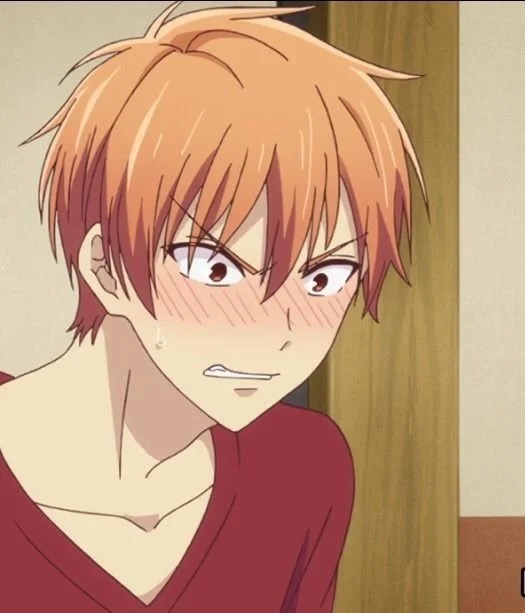
Even the dere types themselves have evolved. Male tsunderes like Kyo from Fruits Basket have become more common, though they often get labeled as "tsundere" only loosely since the aggression patterns differ by gender. The yandere archetype has split into subcategories like "yangire," which is the violent obsession but directed at protecting friends rather than romantic possession.
The future of female character archetypes in anime isn't the death of these templates. It's the recombination of them. We're seeing more characters who are tsundere toward the world but deredere toward their love interest, or kuudere who become yan when their emotional investment is threatened. The archetypes are mixing like paint colors, creating new shades while keeping the base pigments recognizable.
Female character archetypes in anime will stick around because they work. They're efficient. They let writers communicate complex emotional states through simple visual cues. The audience knows what to expect, which makes the moments when expectations are subverted hit even harder. You don't fix what isn't broken. You just learn to use it better.