
If you're scratching your head trying to figure out why Caiman has three different names and why the last episode feels like it stopped mid-sentence, you're not alone. Dorohedoro controversy and confusion explained properly requires admitting that MAPPA's adaptation only covered the prologue of Q Hayashida's massive manga, leaving out the mechanics that make the weird stuff make sense.
I watched the anime twice and read the manga three times. Most people get lost because the show dumps you into the middle of a gang war between sorcerers without explaining the rules. You've got this lizard guy biting people's heads, a gyoza-obsessed girl who can bend time, and a bunch of guys in masks throwing black smoke around. It looks cool but the logic feels broken. That's because the anime removed the Satanic imagery that explained the devil hierarchy and censored the body horror that clarifies how the magic works. You can't understand why the Cross Eyes matter if you don't see the religious cult stuff that got cut.
The CGI Looks Weird Because It Is
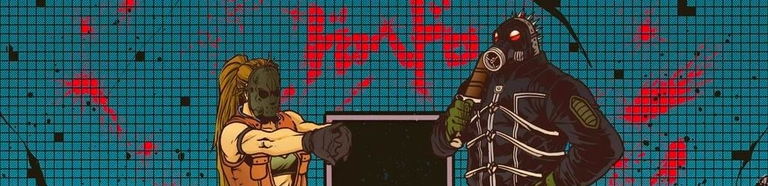
Let's address the elephant in the room. Those 3D models look janky as hell in episode one. Caiman's head moves like a PlayStation 2 cutscene and the fight scenes have that weightless floatiness that CGI can't shake. MAPPA tried to blend 2D and 3D but the main characters are rendered in this cel-shaded plastic that doesn't match the gritty watercolor backgrounds. It gets better around episode six when they stop using the models for close-ups, but those first few fights are rough.
Some fans claim the CGI captures Hayashida's sketchy line work better than traditional animation could. I don't buy it. The manga has this thick, messy ink that looks like it was scratched into the page with a knife. The anime cleans it up too much. When Shin cuts someone in half in the manga, you see the meat and the bone splatter. In the anime, it looks like a video game finishing move. The violence gets sanitized and that matters because the gore isn't just for shock value, it shows how cheap life is in the Hole.
The problem isn't just the models themselves, it's the lighting. Art Director Shinji Kimura built these gorgeous, grimy backgrounds that look like they smell like rust and piss. Then you put these glossy 3D characters on top and they look like stickers. They don't cast proper shadows. They don't get dirty. Caiman walks through garbage alleys and his jacket stays pristine. In the manga, he's always covered in blood and mud and gyoza grease. The CGI can't handle that level of texture detail without ballooning the budget, so they left him clean. It breaks the immersion.
What They Censored and Why It Matters
The anime cut out the Satanic stuff. In the manga, the devils aren't just weird powerful guys, they're actual demons from Hell with pentagrams and inverted crosses everywhere. The ritual scenes show blood orgies and cannibalism that explain why the magic users are so messed up. MAPPA removed the nipples on female characters too, which sounds like a minor complaint but it changes the tone. When Noi heals someone in the manga, she's topless and covered in blood, looking like some kind of pagan goddess. In the anime, she's just wearing a weird skin-tight suit that looks like a superhero costume.
This censorship strips away the occult atmosphere that makes the world feel dangerous. The sorcerers practice literal Satanism. They worship devils and perform human sacrifice. Without that context, En's family just looks like a bunch of quirky mobsters instead of a death cult. The anime makes them seem like they have magic powers because they're born special. The manga makes it clear they sold their souls for smoke.
The censorship gets worse with the body horror. In the manga, when Ebisu gets her face blown off by the cross eyes, you see the bone and the hanging eyeball. It's traumatic. The anime turns it into a cartoon gag where she just makes funny faces. That scene is supposed to show that these characters are fragile and that magic violence leaves permanent scars. By softening it, the anime removes the stakes. You don't feel the danger because nobody stays hurt.
Even the architecture got sanitized. En's mansion in the manga has walls made of flesh and floors that breathe. It looks like you're inside a living organism. The anime makes it look like a fancy European villa with some mushrooms growing on it. The difference is night and day. One looks like a nightmare, the other looks like a Mario level.
Who Is Caiman Really
This is where everyone gets lost. Caiman isn't Caiman. He's Aikawa. Except he's also Kai. And sometimes he's the man inside the lizard's mouth. The anime hints at this split personality stuff but doesn't have time to explain the mechanics.
Here's what happens. Aikawa is a magic user who got his head chopped off by Shin. His friend Risui used a forbidden spell to put his head onto the body of a guy named Kai who was the leader of the Cross Eyes. But Kai wasn't dead, his consciousness got shoved into the lizard head. So you've got Aikawa's personality controlling the body most of the time, calling himself Caiman because he can't remember his real name, Kai's soul trapped in the reptile face biting people, and the original Caiman who was just some poor dude who got used as a vessel.
When Caiman puts a magic user's head in his mouth, the little guy inside there identifies them by smell. That's Kai recognizing his old enemies. The anime never explains that Kai founded the Cross Eyes to kill all sorcerers because they experimented on him as a child. He hates magic users because they turned him into a monster. Aikawa was just a normal guy who got caught in the crossfire. The body keeps switching between these two personalities depending on who ate the last gyoza or whatever, and the anime ends right before they explain how to fix it.
The confusion gets worse because the timeline jumps around. You'll see flashbacks to Kai as a kid, then cut to Caiman having memories that belong to Aikawa, then see the lizard head talking like it's got its own agenda. That's because it does. Kai is still in there, plotting revenge. The anime doesn't have the episode count to clarify that the lizard head and the human body are two different people fighting for control.
The Smoke System Makes No Sense Without the Manual
Magic users produce smoke from their bodies. That's their fuel. The more they use, the more they exhaust themselves until they can't cast anymore. Some people have tons of smoke and weak spells, others have tiny amounts but devastating power. That's basic.
But then you get into the types. Cleansing smoke heals, black smoke destroys, and some people have such specific talents like turning people into mushrooms or controlling time. The anime mentions this in passing but doesn't show how rare certain types are. Nikaido having time magic is a huge deal because it breaks causality. En is obsessed with her because time magic lets you undo mistakes, which is priceless to a crime boss who built an empire on not leaving witnesses.
The devils are just magic users who got promoted. They went through a ritual that turned them into those weird elongated creatures with the antennae. They stop producing smoke because they become the smoke, existing on a different plane of existence. The anime shows them as silly tricksters who eat gyoza. The manga shows them as Lovecraftian horrors that eat people who break contracts.
Smoke production also ties to the economy. Poor magic users can't afford to practice their spells because they need smoke to live and to pay rent. En's family is rich because they control the smoke refineries. The anime glosses over this, making it look like sorcerers are just born powerful. In reality, it's a class system where your magic type determines your social status. If you can turn things into mushrooms, you're a grunt. If you can control flesh, you're an elite. If you can manipulate time, you're a god.
The Cross Eyes Aren't Just Random Bad Guys
The anime presents the Cross Eyes as these mask-wearing terrorists who hate magic users. That's true on the surface, but the full explanation gets cut. Kai founded the group after escaping a devil laboratory where they cut him open to see why he didn't produce smoke. He was born without magic, which makes him immune to spells but also invisible to magical detection.
His plan is to kill every magic user and every devil to return the world to normal humans. He's not a villain, he's a revolutionary. The anime makes him look like a crazy cult leader. The manga shows he's the only one who understands that the magic system is built on slavery and human sacrifice. The Cross Eyes gather at the store to buy cursed weapons because they can't use smoke, so they need technology to fight sorcerers.
The confusion about their identity stems from the masks. Every member wears the same symbol, a pair of crossed eyes, because Kai wants to erase individuality. If everyone wears the mask, the sorcerers can't target leaders. It also represents how Kai sees the world, as a place where everyone is equal in death. The anime never explains the symbolism, so they just look like a generic terrorist group.
Why the Ending Feels Like a Middle Chapter
The anime adapts roughly the first 40 chapters of a 167-chapter manga. It stops right after the battle at En's mansion, which is basically just the end of the introduction. You don't meet the real villain until after that point. You don't learn about the city of Hell or the store owner being a former devil or why the Cross Eyes are collecting devil tumors.
When the credits roll on episode twelve, Caiman still doesn't know who he is. Nikaido is still cursed. The Cross Eyes are still mysterious baddies. Nothing resolves because nothing was supposed to resolve yet. MAPPA planned this as a setup for seasons that never got made. So if you're confused about why so many plot threads dangle, it's because they cut the story off at the kneecaps.
Some viewers complain the plot is messy or unfocused. It isn't. The anime just didn't get to the part where the Chessmaster character explains the conspiracy. You're watching a murder mystery where they never reveal the killer because the show got cancelled. That's not bad writing, it's bad planning by the production committee.
The manga's ending isn't perfect either. The final volumes drag on with repetitive fight scenes inside the black house. The villain keeps coming back to life five times too many. Some fans think Q Hayashida rushed the conclusion after spending too much time on side stories. The gyoza jokes get overdone to the point where they interrupt serious moments. But at least it explains who everyone is and why they were fighting.
The World Building Confusion
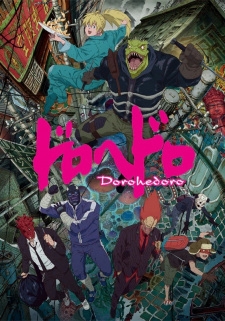
People get lost in the geography. You've got the Hole, which is a garbage dump city where humans live, and the Magic User World, which looks like a European town stuck in the 1800s. They connect through doors that appear in toilets and closets. Magic users treat the Hole like a hunting ground where they test spells on humans.
The blue night festival happens once a year when the boundaries between worlds get thin. Devils come down to party. Humans get kidnapped. The anime mentions this but doesn't explain that the festival is actually a feeding ritual. The devils need to consume human despair to maintain their forms. Without that context, the party scenes look like pointless filler instead of the setup for a massacre.
Then you've got the store, which exists outside of time. The owner used to be a devil but got demoted. He sells weapons and information but the anime never explains his motivation for helping Caiman. In the manga, he's betting on Caiman to destroy the current devil hierarchy because he wants his job back. The store is neutral ground where contracts are binding because the owner enforces them with his remaining devil powers.
The black house that appears in the final arc of the manga is a pocket dimension where the laws of physics don't work right. It's like a maze that rearranges itself. The anime doesn't get there, but the confusion about the setting in later episodes comes from not establishing these rules early. If you don't know that magic can warp space, then the doorways make no sense.
Character Identity Crisis Extends Beyond Caiman
Ebisu isn't just a weird girl with a bad mask. She's a traumatized child who saw her parents killed by magic users. The anime plays her for comedy with the death screams and the silly faces. The manga shows she's genuinely broken and her magic type involves necromancy. When she regenerates from getting her face blown off, that's not a cartoon gag, it's her power manifesting unconsciously because she refuses to die until she gets revenge.
Fujita survives everything not because he's lucky but because he's too pathetic to kill. His smoke amount is tiny and his spell is worthless, which makes him invisible to serious threats. The anime treats him like comic relief. The manga uses him to show how the little guys survive in a world of gods and monsters. He's the everyman who keeps his head down while the titans fight.
Shin and Noi aren't just En's muscle. Shin is a former human from the Hole who got magic implanted in him through illegal surgery. Noi is his cousin who gave up becoming a devil to save his life. Their bond isn't romantic, it's familial survival. The anime hints at this but cuts the flashbacks that show Shin bleeding out in an alley while Noi makes a deal with a devil.
Even En gets shortchanged. In the manga, you see how he built his empire from nothing, starting as a mushroom farmer who got rich because his magic is perfect for disposing of bodies. He's a self-made crime lord who climbed the ladder by being useful to devils. The anime makes him look like he was born rich. That context matters because it explains why he's so paranoid about protecting his family, he knows how fast you can lose everything.
Does the Manga Fix Everything
Yes and no. The manga explains all the mechanics. You learn that the Cross Eyes are gathering devil tumors to create a new type of magic user who doesn't need smoke. You find out Kai is actually the good guy trying to free humanity from sorcerer oppression. You see the ending where Caiman gets his head back and Nikaido breaks her curse.
But the manga ending is controversial too. The final volumes drag on with repetitive fight scenes inside the black house. The villain keeps coming back to life five times too many. Some fans think Q Hayashida rushed the conclusion after spending too much time on side stories. The gyoza jokes get overdone to the point where they interrupt serious moments.
Still, if you're confused by the anime, reading the manga clears up about ninety percent of your questions. The other ten percent is just Hayashida's style. She likes things messy and unexplained. She wants you to feel like you're wandering through a back alley at night without a map. Some people call that bad writing, others call it atmosphere. Either way, the manga gives you the full picture of the dorohedoro controversy and confusion explained through complete context rather than half measures.
The soundtrack and tone whiplash that confuses anime viewers, with death metal over cooking scenes and jazz during dismemberment, makes sense when you read the source. Life in the Hole is cheap and the characters cope with gallows humor. But the anime amplifies the silly moments because the CGI can't handle the horror effectively. When the tone shifts to serious drama, the plastic models can't emote, so it falls flat. The manga keeps that balance better because the art can be ugly and beautiful on the same page.
Dorohedoro controversy and confusion explained comes down to adaptation constraints. The anime is a glossy trailer for a much darker, more complex story. It looks weird because of budget choices. It feels confusing because it stops before the explanations arrive. And it feels censored because they removed the religious horror that grounds the magic system. Watch it for the style and the fights, but read the manga if you want to know what's actually happening.