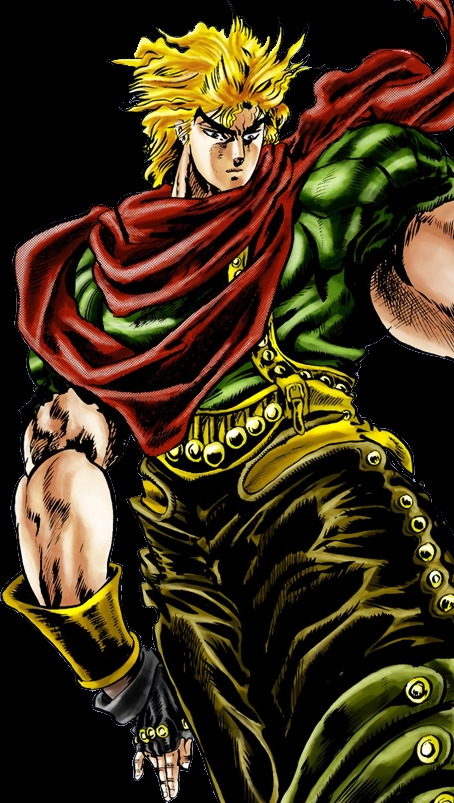
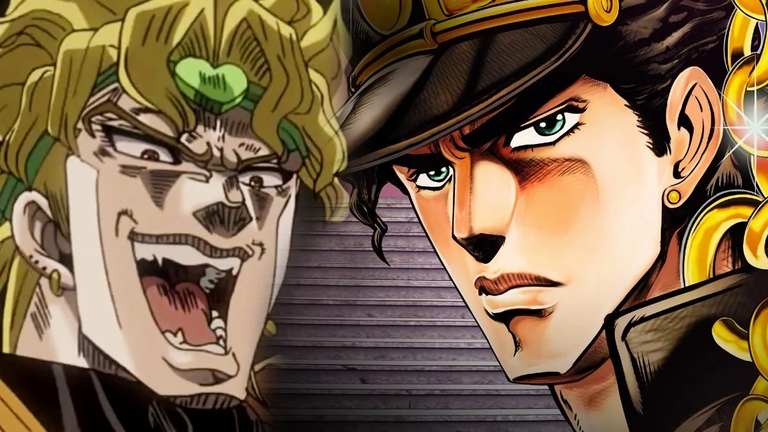
The final showdown between Dio Brando and Jotaro Kujo gets memed into oblivion with ora ora spam and road roller jokes, but strip away the shitposting and you're left with one of the most mechanically dense fights in shonen history. Dio vs Jotaro explained properly isn't about who punched harder; it's about information warfare, cooldown management, and one guy's inability to stop gloating long enough to finish the job. Most people watching Stardust Crusaders think Jotaro won through protagonist armor, but that's missing the tactical chess game Araki actually wrote. This fight operates on rules that matter, and ignoring them makes you miss why Jotaro deserved the win.
People love to call the "same type of stand" moment an asspull, but that's because they're not paying attention to the setup. From the second Jotaro confronts Dio in Cairo, the mechanics of their stands are shoved in your face as nearly identical. Star Platinum and The World move at the same speed, hit with the same force, and share the same range limitations. Jotaro figures out he can stop time not because he's special, but because he tests the hypothesis during the fight. He provokes Dio into a direct stand clash, watches how The World behaves, and realizes the only difference between them is that Dio knows how to flip the switch. That's not lazy writing. That's a protagonist using his brain instead of screaming about friendship.
The Time Stop Mechanics Nobody Talks About
Let's get into the weeds of how time stop actually works in this universe because it's not just "Dio presses a button and wins." The World can halt time for five seconds initially, stretching to nine seconds once Dio syncs properly with Jonathan's body and chugs Joseph's blood. During these stopped seconds, only Dio can move, position himself, or set up attacks. The catch is there's a refractory period after each use. Dio can't just spam time stop back to back. He has to wait, and during that cooldown, he's vulnerable.
Jotaro's Star Platinum eventually unlocks time stop too, but he's limited to one or two seconds max during the final battle. Sounds useless compared to Dio's nine seconds, right? Wrong. Jotaro doesn't need to outlast Dio; he needs to disrupt Dio's counting. When Dio stops time, he counts down in his head. He knows exactly when time resumes. Jotaro breaks this rhythm by stopping time during Dio's stopped time, which throws off Dio's internal clock completely. This is why Dio gets hit. He's expecting five seconds of safety, gets to second eight thinking he's golden, and doesn't realize Jotaro burned a second in the middle of his stop. The mental stack overflow kills him.
Kakyoin's Death Was the Real Game Winner
People cry about Kakyoin dying to show Dio's power, but his death is the entire reason Jotaro wins. When The World punches through Kakyoin's chest, he doesn't die immediately. He lives long enough to analyze what happened, realize Dio stopped time, and use his last emerald splash to destroy a clock tower. This isn't dramatic flair. It's information transmission. Kakyoin knows Joseph can use Hermit Purple to read the message, and he knows Joseph will explain it to Jotaro.
Without that clue, Jotaro walks into the final fight blind. He'd still think Dio's stand was just really fast or had some weird teleportation ability. The clock tower destruction proves time itself is being manipulated. That's the difference between getting blindsided and being able to plan. Dio vs Jotaro explained without the meme noise covers this in depth, but the short version is that Kakyoin's final moments are pure tactical value. Dio screwed up by not obliterating Kakyoin's head immediately. Leaving him alive for even ten seconds cost him the war.
The Magnet Trick and Mental Warfare
Jotaro's magnets get laughed at as a cheap trick, but they're genius psychological warfare. He plants magnets in his own sleeve and Dio's sleeve during the fight. When Dio stops time and checks Jotaro's breathing with a knife, he sees the magnets attract and assumes Jotaro is using time stop to swap them. This confirms in Dio's mind that Jotaro can move in stopped time, which makes him paranoid and cautious. The kicker is Jotaro can't actually stop time yet, or at least not for long enough to matter. He's bluffing with a pair of fridge magnets.
This bluff saves his life. Dio becomes hesitant. He backs off. He starts second-guessing whether he can approach safely. Dio vs Jotaro explained for people who missed the details points out how this hesitation allows Jotaro to survive long enough to actually unlock the time stop ability. If Dio had just rushed in and punched Jotaro's head off during that first encounter, the series ends there. But Jotaro understood that Dio is arrogant and paranoid. He played the villain like a fiddle using two dollars worth of hardware.
Why Dio Didn't Just Throw Knives Forever
The knife throw scene frustrates viewers. Dio stops time, throws a bunch of scalpels at Jotaro, and misses the kill shot because he wants to check if Jotaro is breathing. This looks like plot armor, but it tracks with Dio's character perfectly. He doesn't just want to win; he wants to dominate. He wants to see Jotaro afraid. He wants to gloat. Throwing knives from a distance and walking away doesn't satisfy his ego.
Plus, Dio's a vampire who's lived for a century. He's used to being untouchable. The concept of someone resisting The World breaks his brain. When he sees Jotaro's fingers twitch in stopped time, he freezes up. He has to investigate. He has to understand why his perfect ability failed. That curiosity, that need to be right, costs him the initiative. A smart fighter would have decapitated Jotaro immediately and asked questions later. Dio isn't smart; he's theatrical. That's why he loses to a guy who wears a modified school uniform and chain smokes.
High DIO and the Blood Powerup
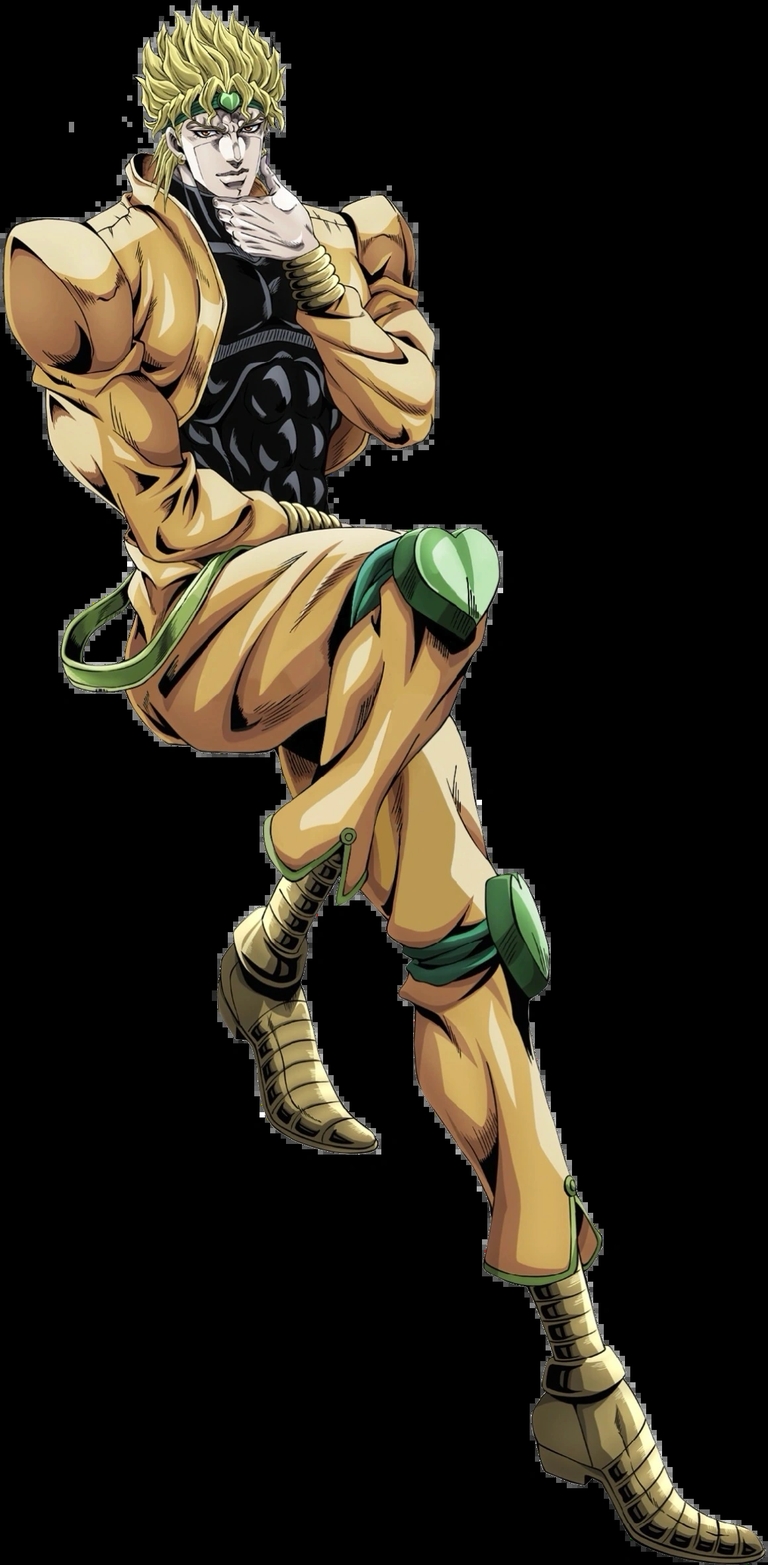
After draining Joseph's blood, Dio becomes "High DIO," which sounds ridiculous but represents a massive power spike. His time stop extends from five seconds to nine, and his synchronization with Jonathan's body hits 100%. He moves faster, hits harder, and regenerates instantly. This should be unstoppable. Nine seconds is an eternity in combat.
The problem is High DIO is also High on his own supply. He's drunk with power. He starts making stupid decisions like grabbing a road roller instead of just punching Jotaro. The road roller is iconic, but tactically it's insane. It takes time to drop, it limits Dio's visibility, and it gives Jotaro a clear moment to counter. Dio chooses the road roller because he wants to crush Jotaro with symbolism, with weight, with dramatic finality. He wants the image of Jotaro pancaked under machinery. That's not efficient. That's a villain monologue in physical form.
The Final Exchange and Refactory Periods
The ending happens fast. Dio stops time, jumps toward Jotaro, and plans to deliver the final blow. He counts to nine. At second eight, Jotaro stops time for one second, moves out of the way, and lets Dio's punch miss. Then, during the transition when Dio thinks time is about to resume but his stand is still on cooldown, Jotaro's Star Platinum shatters The World's leg, then pulverizes Dio's skull.
People ask why Dio explodes at the end. It's not just dramatic effect. Star Platinum's precision strike targets the specific weak point in Dio's head where Jonathan's body hasn't fully synchronized. The trauma shatters the vampire's brain, and because Dio's stand is broken, his regeneration fails. The sunlight does the rest. Jotaro didn't win with a generic punch. He won by exploiting a timing window smaller than a heartbeat, targeting a biological weak point, and understanding the mechanics of stand combat better than the guy who wrote the book on it.
Ways Dio Could Have Actually Won
Let's be real. Dio had multiple chances to close this out and choked every single one. If he had ignored the finger twitch and just punched Jotaro's head off in the first time stop, game over. If he had killed Kakyoin instantly instead of letting him live long enough to analyze The World, Jotaro never learns the secret. If he had used Vanilla Ice effectively instead of sending him out early, Cream's void ability counters Star Platinum's close range style completely.
There's also the sunlight issue. Dio is still a vampire. If the Crusaders had just waited until morning and burned the mansion down, Dio dies even with The World. Polnareff ruined this by being impatient, but the option existed. Dio also could have collected Joestar blood weeks earlier through his minions instead of waiting for Joseph to show up. Fully synced High DIO from day one means Jotaro never lands a hit. Every loss Dio takes is self-inflicted through arrogance, poor resource management, or theatrical stupidity.
The Legacy of the Fight
This battle shapes everything that comes after. Jotaro's time stop ability gets nerfed in Part 4 and Part 6 because it's too broken to use regularly. The trauma of killing Dio turns him into a distant, calculating fighter who relies on precision over power. Dio's notebook and his "Heaven" plan drive the plot of Stone Ocean. Even his death doesn't stop the consequences of his actions.
The fight also establishes the rule that stand battles are information wars. Whoever understands the enemy's ability first usually wins. Jotaro beat Dio because he gathered intel, kept his cool, and exploited specific mechanical weaknesses. He didn't win through power levels. He won through better game sense. That's why Dio vs Jotaro explained properly matters. It's not a slugfest. It's a tutorial on how to beat a superior opponent by being smarter, not stronger.