
Chainsaw Man anime review and analysis usually misses the point by focusing too hard on the blood. Everyone talks about the gore like that's the whole selling point, like MAPPA just wanted to see how much red paint they could throw at the screen. That's not it. The show is quiet when it needs to be, and that silence hits harder than any chainsaw revving. If you went in expecting screaming protagonists and power-up arcs where friendship saves the day, you probably walked away confused or disappointed. That's your fault for not paying attention, not the show's fault for being subtle.
Denji isn't Naruto. He isn't trying to be Hokage or save the world or whatever. The kid just wants to eat toast with jam and maybe touch a boob before he dies. That's the whole motivation. People call him a simple character like that's an insult, but they're missing how rare it is to see a shonen lead who isn't pretending to have lofty ideals. He's a dog on a leash and he knows it. The tragedy isn't that he fights devils, it's that he's happy with so little. When you've been starved your whole life, crumbs look like a feast, and Makima knows exactly how to use that against him.
The anime adapts roughly the first 38 chapters of Tatsuki Fujimoto's manga, stopping right before the Bomb Devil arc that just got the movie treatment. Some fans called it mid because it didn't move fast enough, or because the middle episodes dragged for them. I saw that Reddit thread where the guy said episodes 5 through 8 lost his interest. He couldn't remember the side characters' names. That's fair, but it also means he wasn't watching the same show I was. Chainsaw Man isn't about the monster of the week. It's about the slow rot setting into these kids' brains while they pretend they're just doing a job. It's about watching a group of traumatized twenty-somethings play house while the world ends around them.
Why the Animation Style Confused People
MAPPA didn't make this thing look like My Hero Academia or Demon Slayer. They went for a muted, almost dirty color palette that made the whole show feel like you were watching it through a layer of dust and sweat. The character designs are realistic in a way that makes Power's stupid grin and Makima's dead eyes hit different. When Denji transforms, it looks painful, not cool. The CGI they used for the chainsaw parts in early episodes got some complaints, and yeah, it can look a bit plastic sometimes, but it moves right. The Anime Rants review got it right when they said the movement is well-referenced. You can tell they studied how actual people slump when they're tired or how a body falls when the soul leaves it.
People expected sakuga explosions every frame because that's what the marketing promised. Instead they got long shots of Denji staring at a ceiling or Aki smoking on a balcony. That's the point. The boredom is the horror. These characters are waiting to die and they know it. The show uses film language that most TV anime doesn't bother with. There are shots that linger on empty hallways or the texture of a wall. It builds dread not through music stings but through absence. When the camera stays on Denji's face for ten seconds while he processes that someone died, that's braver than any fight scene.
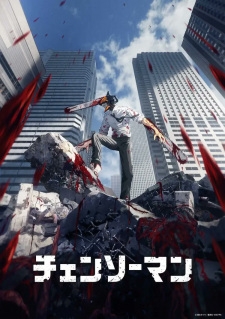
Chainsaw Man Anime Review and Analysis The Anti-Capitalist Reading
You can read Chainsaw Man as a story about capitalism eating kids alive and spitting out the bones. Denji starts the show literally selling his body parts to pay off his dad's yakuza debt. He's not a hero, he's a worker. Makima buys him with food and safety, and he follows her because he has no other options. That's not romance, that's economic coercion. The Medium article calling it social commentary isn't reaching. Fujimoto put a guy with a chainsaw for a head in front of us and asked why we're okay with exploitation as long as the exploited seem happy.
Denji's arc in season one is him climbing Maslow's hierarchy of needs, but every time he gets close to belonging or love, someone pulls the ladder away. He thinks he wants sex because that's the only intimacy he can imagine. He doesn't know what love looks like. When Himeno offers him a kiss, he takes it not because he's horny, though he is, but because it's the first time someone touched him without trying to take something. That's sad. That's the whole show. The system grinds him up and sells him as a hero, but he's just labor. He's a chainsaw with a pulse. When he gets excited about eating bread with jam, it isn't cute. It's depressing that his standards are so low.
The Found Family That Doesn't Work
Aki, Power, and Denji living together should be funny. It has funny moments. Power steals his vegetables and lies about it. Denji doesn't know how to use a toilet. But underneath the sitcom setup is a trio of broken people who can't express affection normally. Aki is hunting the Gun Devil to avenge his family but he's too numb to admit he cares about his new roommates until it's too late. Power is a fiend, a devil wearing a human corpse, and she acts like an animal because she doesn't know how to be a person yet.
Their dynamic in the first four episodes is why the show works. When the Reddit user said those early episodes were the best part, I agreed with him there. The hotel arc with the Eternity Devil slows things down, but it's supposed to. It's a pressure cooker. You watch Aki lose years of his life in a few minutes while Denji laughs because pain is the only currency he understands. Power screaming for Denji to save her while he bleeds out on the floor isn't heroic. It's pathetic. That's why it works. They aren't a team. They're three stray animals sharing a blanket during a storm.
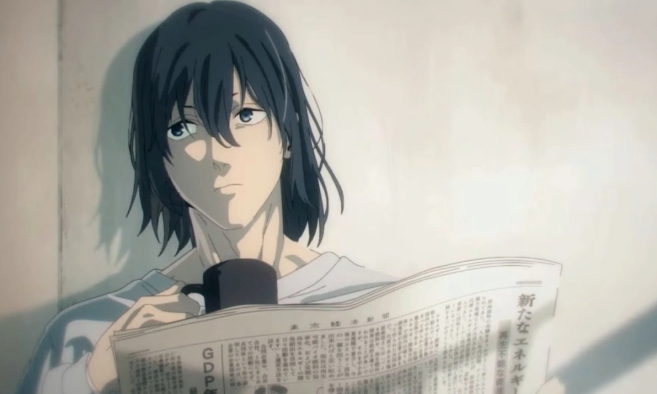
Makima and the Mechanism of Control
Makima isn't just a hot boss lady with a questionable moral compass. She's the Control Devil, and everything she does is calculated. She doesn't yell. She doesn't threaten. She just asks nicely and people die for her. That's scarier than any monster with teeth. The anime keeps her threatening by showing how everyone else reacts to her. Aki flinches. Denji obeys. Even the other devils are scared.
Her manipulation of Denji is grooming, plain and simple. She isolates him, makes him dependent, and rewards him with scraps of affection. When she tells him he's a good dog, it makes you sick because you can see his tail wagging even though he's got blood on his face. The show doesn't sexualize her in the obvious ways, it makes her power the scary part. You want to trust her even though you know better. THEM Anime Reviews notes that she's the only one who uses costly abilities on lesser threats, which shows how little she values individual life compared to her goals. She isn't fighting to save people. She's farming them.
The Violence Isn't Fun
Chainsaw Man has a reputation for being edge lord bait, like Berserk for kids who think suffering is cool. But the violence here isn't cathartic. When Denji cuts up the Eternity Devil, it's not a victory lap. It's gross and desperate. When Himeno loses her arm and then her life, it isn't cool. It's just over. The Jackson P. Brown defense points out that unlike Dandadan, which balances horror with genuine warmth, Chainsaw Man stays cold. The deaths stick. There is no dragon ball to wish anyone back.
The Gun Devil's influence hangs over everything. We don't even see the full thing in season one, just the aftermath. Mass shootings, piles of bodies, the smell of gunpowder. It treats guns like a supernatural plague, which hits different depending on where you live, but the point is clear. Fear makes the devils strong, and humans have a lot of fears. The violence serves the story instead of replacing it. When Kobeni loses her partner and has a breakdown in the car, it isn't played for laughs. It's just sad. She's eighteen and she's seen too much.
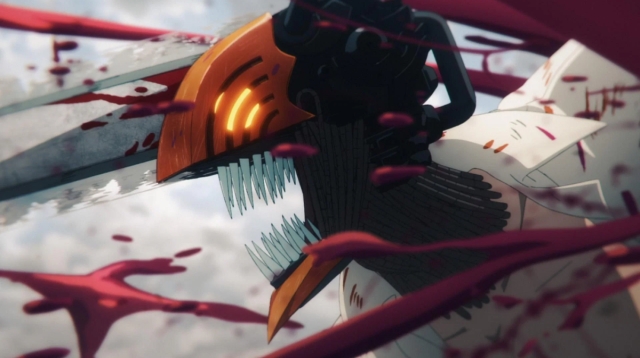
Why Some People Hated the Middle Episodes
The mid crowd isn't entirely wrong. The pacing in the middle episodes, specifically the Katana Man arc introduction, feels rushed compared to the Eternity Devil stuff. The villains show up late and don't get enough screen time to feel like more than obstacles. Sawatari and Katana Man are fine, but if you weren't already invested in the world, they look like generic tough guys.
The Facebook post calling the anime mid because character development stalled is missing that the development is subtle. Denji doesn't have a big speech about learning to care. He just stops asking for sex as much and starts asking if people are okay. That's growth for him. But if you need your shonen protagonists to scream about friendship, you'll miss it. The show asks you to read between the lines, and some people don't want to work that hard for their entertainment. They want the plot to move, not the characters to breathe.
Also, the 12 different ending songs annoyed some people. I loved it. Each episode got a different tone for the credits, from rap to ballads to whatever that creepy whisper song was. It kept you off balance. You never knew if you were supposed to feel hopeful or terrified when the credits rolled. That unpredictability is the point.
The Soundtrack and the Use of Silence
Kensuke Ushio did the music, and he understood that this show needed space. The fights have this industrial techno screech that sounds like machinery breaking, but the quiet moments have this low hum that makes your skin crawl. When Pochita speaks, it isn't with words, it's with this warm synth sound that feels like the only kindness in the world.
The opening, Kick Back by Kenshi Yonezu, is a banger, yeah, but it's also ironic. Denji sings about kicking back and living good while he's drowning in blood. The visuals reference movies like Reservoir Dogs and Pulp Fiction, which fits because this is a crime story as much as a horror one. The Umai Yomu review mentions how the darker tone separates it from happy-go-lucky shonen, and the audio design is a huge part of that. When the music cuts out during a fight and you just hear the chainsaw idling, that's more effective than any orchestral swell.
What Manga Readers Expected
Manga readers went in expecting a faithful panel-by-panel adaptation with constant screaming and chaos. They got a cinematic, contemplative show that pauses on facial expressions. Director Ryu Nakayama got replaced for the Reze movie because Japanese audiences apparently wanted faster pacing, but I think he nailed the tone. The Reze Arc review mentions that Tatsuya Yoshihara took over for the movie and made it more bombastic, which is fine for that arc, but the quiet horror of season one was deliberate.
Fujimoto's writing isn't about spectacle. It's about the moment after the fight when you're picking teeth out of your hair. The anime gets that. When Denji and Power are eating cake in the dark after losing Himeno, that scene hurts more than any devil fight. The Lowell review talks about how the emotional elements overshadow the action, and that's accurate. The action is just the language they use to talk about trauma. If you wanted nonstop screaming, you missed the point.
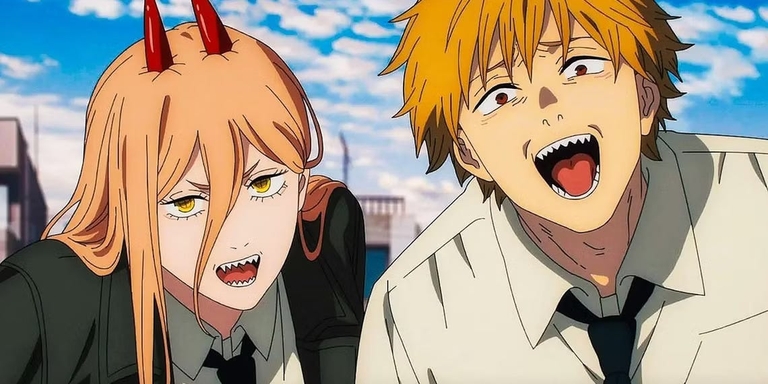
The Devil Designs and Cosmic Horror
The devils in this show are weird in the best way. The Eternity Devil is a mass of flesh and eyes that traps you in a loop. The Bat Devil is a grotesque nightmare with human teeth. They aren't cool monsters you want to collect. They're manifestations of primal fear, and they look wrong. That's the point. A devil based on the fear of chainsaws shouldn't look clean or heroic. It should look like a industrial accident that learned to hate.
The cosmology of the world gets explained slowly. Devils are born from fear. The more people fear something, the stronger the devil. That's why the Gun Devil is such a big deal. In America, where mass shootings are common, that devil would be a god. The show treats this seriously. It doesn't explain everything up front. You learn by watching these kids die to things they don't understand. The Zombie Devil isn't scary because it bites people. It's scary because it represents the fear of being eaten alive by the mob.
Himeno and the Cost of the Job
Himeno is the senior devil hunter who takes Aki under her wing, except she's using him to replace her last partner who died. She drinks too much and smokes too much and pretends she's fine until she isn't. Her relationship with Aki is complicated. She wants to protect him but she's also training him to die like her last partner did.
When she sacrifices herself to save Aki, it isn't beautiful. It's brutal and fast and leaves Aki holding her empty uniform. That's the job. You don't get a hero's funeral. You get a replacement and a hangover. Her ghost haunting Aki later isn't supernatural, it's just memory. That's heavier than any devil contract. She gave him her eye so he could see the future, but all he sees is her death.
Kobeni and the Car
I have to talk about Kobeni. She's the devil hunter who cries all the time and wants to quit but can't because she needs the money. She's every retail worker who shows up to a shift they hate because the alternative is starvation. Her fight scenes are panic attacks set to music. When she fights the Katana Man and survives, it isn't because she's skilled. It's because desperation makes you slippery.
And the car. The car is a character. When Denji fights the Eternity Devil and uses the car as a weapon, it's absurd and perfect. The show knows when to be stupid. That's important. If it took itself seriously 100% of the time, it would be exhausting. The humor is gallows humor. It's laughing because the alternative is screaming. Kobeni's dance in the ending credits is funny because it's the only time she looks happy, and she dies in the show. That's the joke.
The Future of the Adaptation
The Reze movie covers chapters 39-52, and it's apparently great. After that, we've got the International Assassins arc and the Gun Devil proper. If they adapt all the way to the end of Part One, that's chapter 97. The anime industry moves slow, but MAPPA seems committed. The question is whether they can keep the quality up without burning out the staff.
Part Two of the manga is in high school and gets weird in a different way. It's more isolated, more about interiority. If they adapt that, it'll need a different tone again. But that's years away. For now, we have twelve episodes that do something different. Twelve episodes that prove you can make a shonen adaptation that cares more about silence than shouting.
Chainsaw Man anime review and analysis always comes back to whether the hype was worth it. It wasn't, because nothing could live up to that marketing campaign. But if you strip away the expectations and watch it as a story about a kid who wants a hug and keeps getting punched instead, it's solid. It's messy and bloody and sometimes the pacing trips over itself, but it cares about its characters more than most action shows bother to.
Denji doesn't win at the end of season one. He survives, which is different. He makes a friend in Power and loses Himeno and learns that wanting things hurts. That's not a satisfying conclusion in the traditional shonen sense. It's a stopping point. The chainsaw keeps revving, the blood keeps pumping, and the quiet moments keep getting quieter. That's the whole point. If you didn't feel that, you weren't paying attention. The show isn't about being the strongest. It's about being the one who gets back up even when you know you're going to get knocked down again. That's harder than any devil fight.