
By the Grace of the Gods anime themes and world hit different because the protagonist dies from a sneeze. Not in battle. Not saving someone from a truck. A 39-year-old salaryman named Ryoma Takebayashi sneezes into his pillow, triggers a cerebral hemorrhage, and dies alone in his apartment after years of working for a black company that treated him like disposable trash. Three gods look at this guy's miserable existence and decide to reincarnate him as an eight-year-old kid in a fantasy world where the biggest threat is figuring out how to wash clothes efficiently. That setup sounds like a joke but it is the entire emotional backbone of one of the most genuinely healing isekai stories out there.
Most isekai protagonists get hit by trucks or stabbed by random lunatics. Ryoma got ground down by years of unpaid overtime and corporate abuse until his body literally gave out during a sneeze. The gods, Gain, Kufo, and Lulutia, explain that Earth is being drained of mana to sustain their world, which is why life on Earth is so brutal and unfair. They give Ryoma an absurd amount of magical power, dump him in a forest, and tell him to have fun. He spends three years living alone with only slimes for company, and honestly, that isolation is the best thing that ever happened to him after the nightmare of his previous life. He isn't trying to defeat a demon lord or build a harem. He just wants to research slimes and take naps without someone screaming at him about quarterly reports.

The Gods Actually Care About This Guy
The divine intervention in this story is weird because the gods are genuinely nice. They aren't tricking Ryoma or setting him up for some cosmic prank. They looked at his file, saw the decades of abuse from his father and the exploitation at his company, and decided to give him a break. When he defends a convenience store clerk from gunmen back on Earth and gets forced into retirement because the bad press makes him unemployable, that is the final straw. The gods see a guy who keeps trying to do the right thing while the world kicks him in the teeth, so they hand him a second childhood with cheat-level abilities.
They give him affinity for every type of magic, massive mana reserves, and a body that won't break down from stress. More importantly, they drop him in a world where people are generally decent. The Reinhard family, who find him in the forest, don't try to exploit his powers or sell him into slavery. They feed him, give him new clothes, and basically adopt him because they see a lonely kid who needs parents. This found family dynamic is the real heart of the show. Watching Ryoma realize that not every adult is going to scream at him or demand unpaid overtime is genuinely affecting. There is a scene where he compares coming home to his empty Tokyo apartment versus being greeted by the Reinhard family, and it hits hard because you remember this guy lived alone for years after his mother died.
Slime Ranching as Emotional Therapy
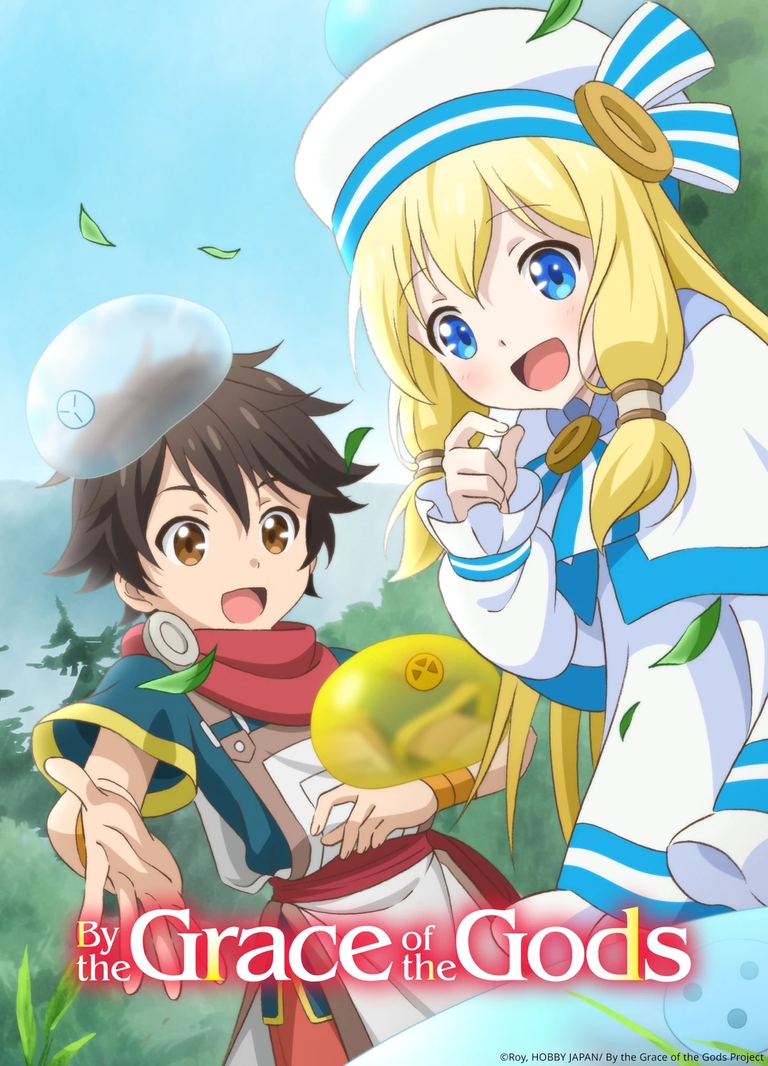
Ryoma's obsession with slimes isn't just a quirky character trait. It is trauma recovery in action. Slimes are the weakest monsters in every fantasy setting. They are the punching bags of the adventurer world. Ryoma treats them with respect and patience, creating subspecies that clean things, dissolve waste, produce waterproof fabric, and even handle laundry. He builds an entire business empire based on taking care of creatures that everyone else ignores or kills for pocket change. That is a direct reflection of how he sees himself, the overlooked salaryman who got ground into dust by a system that viewed him as replaceable.
The technical details of his slime research are surprisingly solid for an anime that looks like a kids show. He experiments with feeding them different materials, documents their evolution patterns, and figures out that slimes can develop into specialized forms like cleaner slimes, scavenger slimes, and acid slimes. The Tamer's Guild thinks he is insane for bothering with them, assigning slime study to the equivalent of career dead-ends in Antarctica. Ryoma doesn't care. He makes bank selling laundry services and waterproof fabric while the guild masters scratch their heads wondering how the useless blob monsters are generating this much money. His Bamboo Forest laundry shops become successful because he pays his employees well, gives them dormitories and free meals, and actually lets them take vacations. That sounds like basic decency but it is revolutionary in a medieval fantasy economy, and it is explicitly contrasted with the black company culture that killed him in his previous life.

A World Where Magic Fixes Real Problems
The worldbuilding in By the Grace of the Gods focuses on practical applications of magic rather than combat. Ryoma learns earth magic for construction and offense, sure, but he also uses water magic for hygiene and creating hot springs. He develops sound-based attacks because he figures out that vibrating air at specific frequencies can stun enemies without killing them. His electrical magic gets used for sterilizing medical equipment and superheating materials for crafting. This is a world where you can use warp magic to teleport waste products out of the city, solving sanitation problems that plagued actual medieval societies.
The economic system gets attention too. When Ryoma starts his business, he has to navigate the Merchant's Guild and the Tamer's Guild, dealing with bureaucratic nonsense that feels surprisingly realistic for a fantasy anime. The Jamil nobility, particularly Reinhart and Elise, serve as reasonable authority figures who protect him from exploitation while letting him operate independently. There is no forced romance between Ryoma and their daughter Eliaria despite what some viewers initially fear. They are just kids who become friends, with Eliaria learning magic from him while he learns how to be a normal child from her. The show avoids the harem trap that ruins so many isekai series, keeping the relationships platonic and focused on genuine friendship and mentorship.

The Darkness Hiding Under the Comfort
People call this anime cozy and relaxing, comparing it to Animal Crossing, and they are right, but there is a dark undercurrent that the show doesn't shy away from. Ryoma's past life was genuinely horrific. We are talking physical abuse from his father, psychological torture at his workplace, and social isolation so severe that he didn't have anyone to notice when he died. The anime shows flashes of this trauma when Ryoma flinches at loud voices or works himself to exhaustion because he still thinks he needs to prove his value through labor. The gods gave him a second chance but they can't erase the memory of being treated like garbage for four decades.
There are moments where the show gets uncomfortably real about labor exploitation. A scene involving a bachelor party for one of the Jamil guards shifts to a brothel, and while Ryoma declines to participate because he is mentally a grown man in a child's body, the implication that this is normal workplace bonding in the fantasy world creates interesting friction with his modern sensibilities. The series doesn't become grimdark, but it acknowledges that even in a world with literal gods looking out for you, recovering from systemic abuse takes time. Ryoma has to learn that he is allowed to rest, allowed to say no, and allowed to expect kindness without earning it through suffering.
When the Pacing Works Against the Healing
The anime isn't perfect. Season 1 moves at a glacial pace that loses viewers who expect plot progression. Episodes get dedicated to setting up a laundry business or explaining the chemical composition of slime byproducts in detail that would make an organic chemistry professor reach for coffee. The animation quality is simple, sometimes looking cheap during action sequences, and the CGI slimes can be distracting. Some reviewers complain that Ryoma is too nice, too passive, lacking the rough edges that make characters like Myne from Ascendance of a Bookworm compelling. He is polite to a fault, endlessly accommodating, and occasionally boring because he has been written to be the ideal employee rather than a fully realized person with flaws.
The voice acting gets flat in places, particularly during emotional scenes where Ryoma processes his trauma. Instead of rage or bitterness, we get mild sadness delivered in a monotone that doesn't quite land. The show also leans too hard into the overpowered protagonist tropes at times, having Ryoma solve problems that stumped locals for centuries just because he remembers high school chemistry. These moments feel like concessions to the isekai genre that clash with the slice-of-life healing atmosphere the series does best. When Ryoma is experimenting with slimes or having dinner with the Reinhard family, the show is golden. When he is inventing the washing machine and revolutionizing the textile industry overnight, it feels like the writers are checking boxes on a power fantasy spreadsheet.
Why the Slimes Matter More Than the Combat
The real appeal of By the Grace of the Gods isn't the magic battles or the economic empire building. It is watching a broken man learn to be gentle with himself by being gentle with monsters. Ryoma treats his slimes like employees with rights and personalities, giving them names and protecting them from the casual cruelty of adventurers who view them as XP fodder. That attitude spills over into how he treats people. He hires beastmen and other marginalized groups for his businesses, pays fair wages, and creates a work environment where people don't have to fear their boss. That is his real superpower, not the god-given mana reserves or the ability to cast warp magic.
The slimes themselves have distinct personalities despite being mindless blobs. The cleaner slimes get excited about dirty laundry. The acid slimes make happy bubbling noises when dissolving waste. Ryoma talks to them like they are old friends, and the anime suggests that this kindness creates mutations that even the God of Creation didn't foresee. The creatures evolve in ways that break the established rules of the world because Ryoma gives them a safe environment to grow. That is the central metaphor of the entire series. Safety and patience allow potential to develop in ways that pressure and exploitation never could. Ryoma isn't just taming slimes. He is proving that the weak and overlooked can change the world if someone just stops trying to exploit them for five minutes.
The Season Two Shift
Season 2 expands the world by taking Ryoma out of the forest and into the city of Gimul, where he opens his Bamboo Forest shop and interacts more with the merchant class. We see him navigate festivals, deal with supply chain issues, and expand his slime research into medical applications. The gods make occasional appearances, checking in on their favorite project like proud but distant parents. The emotional core remains focused on Ryoma's relationships, particularly his bond with Eliaria and the Jamil family, though the pacing issues persist. Some episodes feel like they are running out the clock with extended scenes of eating food or explaining slime digestive processes.
The introduction of more economic and political intrigue helps balance the slice-of-life elements. Ryoma has to deal with competitors who want to steal his business secrets and nobles who want to monopolize his inventions. He handles these threats not with overwhelming force but with careful negotiation and strategic use of his slime products. It is refreshing to see an isekai protagonist solve problems with logistics and hygiene rather than fireballs. The show maintains its commitment to being a comfort watch, a series you put on when the real world feels like too much and you need to see someone build a better life through kindness and laundry detergent.
Final Thoughts on This Weird Little Show
By the Grace of the Gods works because it understands that the ultimate fantasy isn't being the strongest warrior or having the biggest harem. It is living in a world where your labor has value, your existence isn't a burden, and the people around you want you to be happy. Ryoma's journey from a sneezed-to-death salaryman to a successful slime tamer is ridiculous on paper but emotionally resonant in practice. The anime captures that specific feeling of relief when you finally escape a toxic environment and realize you can breathe again.
It is slow. It is sometimes poorly animated. The protagonist is occasionally too perfect. But it is also a rare isekai that treats trauma with respect while still being optimistic about recovery. The world feels lived-in, the magic system has internal logic, and the slimes are genuinely cute. If you have ever worked a job that made you feel like dying, watching Ryoma find peace in a fantasy world hits different. It is not just escapism. It is a reminder that you deserve better than what the black companies of the world want to give you. Plus, you get to learn weird facts about slime biology, which is more interesting than it has any right to be.