
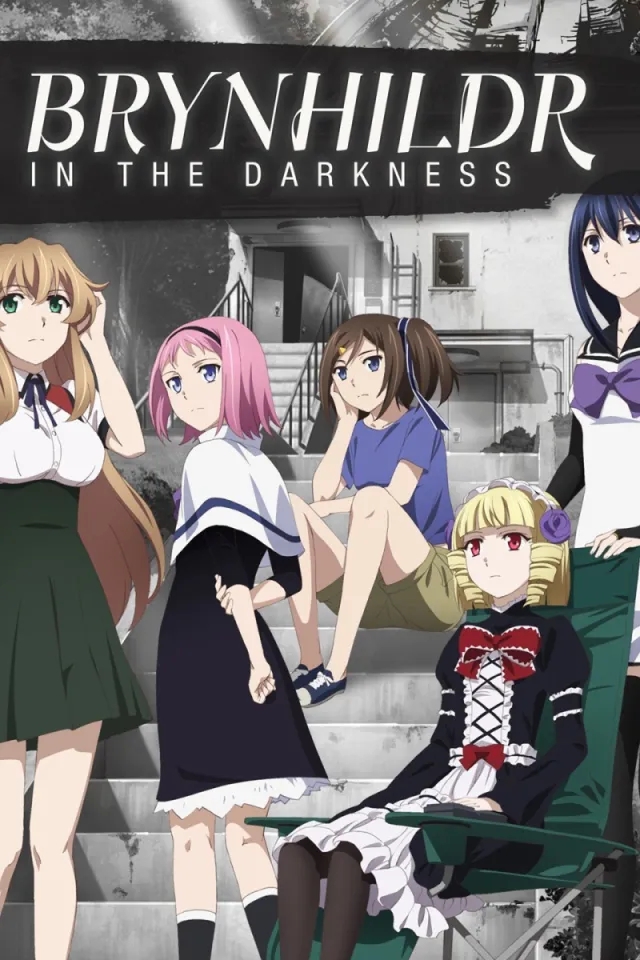
Brynhildr in the Darkness anime plot and themes represent everything wrong with 13-episode adaptations. You've got this solid sci-fi horror premise about genetically modified witches living on borrowed time, then someone decided to cram an ecchi harem into the middle of it like it belongs there. The show can't decide if it wants to make you cry or turn you on, and it ends up doing neither properly. I watched this whole mess twice, once when it aired and again recently to see if I was too harsh on it. I wasn't. If anything, it's worse than I remembered because now I know how much potential it wasted.
The setup hooks you immediately. Ryouta Murakami is this astronomy nerd who carries massive guilt over his childhood friend Kuroneko dying in an accident ten years ago. They were trying to prove aliens exist when she fell off a dam or got hit or whatever, the flashbacks are muddy, and she died telling him to keep looking for extraterrestrials. So he's got this photographic memory, which comes up randomly when the plot needs it, and he's scanning the skies every night to honor her dying wish. Then this transfer student shows up named Neko Kuroha who looks exactly like an older Kuroneko except she has no memory of him and she's throwing supernatural powers around like it's nothing. She saves him from a mudslide using some kind of energy blast, then tells him she's a witch who escaped from a lab and she's going to die without these special pills she can't get anymore.
That's a strong first episode. It hits the ground running with mystery, tragedy, and body horror waiting to happen.
What The Hell Is A Witch Anyway
The mechanics of the witches in this universe are genuinely interesting when the show bothers to explain them. These girls aren't casting spells with wands or chanting latin. They're modified humans with alien parasites called Drasil implanted in harnesses on their necks. The harness system controls their powers but also functions as a kill switch, and without daily medication their bodies start melting in this disgusting gruesome way that got heavily censored in the broadcast version but is still nasty enough to make you uncomfortable.
Each witch has different classifications based on power levels. You've got your basic witches who can move stuff with their minds or start fires, then you get up to the serious threats like Valkyria who can literally disintegrate matter within a radius. The girls are ranked by grades, and the higher the grade the more dangerous and unstable they become. They're all living on literal borrowed time because the Drasil parasites eventually hatch and eat their hosts from the inside out, turning them into puddles of goo unless they take the suppressant pills.
This creates genuine tension in the early episodes. You know these girls could die horribly at any moment, and the secret organization hunting them sends other witches with their harnesses locked to murder the escapees. It's cat and mouse with high stakes, and for about four episodes it works.
The Girls Of The Astronomy Club
Ryouta starts collecting these fugitive witches like they're Pokemon and stuffing them into his astronomy club for safekeeping. There's Kazumi Schlierenzauer, this half-Austrian hacker girl who talks like a sailor and complains about her flat chest constantly. She's supposed to be a genius with computers but mostly she exists to make lewd comments and create uncomfortable sexual tension. Then there's Kana Tachibana, the paralyzed goth loli who can see the future but can't move her body, so she communicates through a text-to-speech device and gets wheeled around while everyone makes inappropriate jokes about her condition.
Kotori Takatori shows up later as this clumsy airhead with giant breasts who has telekinetic powers and a dark secret about her past. She looks like someone's early draft of Lucy from Elfen Lied, which makes sense since Lynn Okamoto created both). Hatsuna Wakabayashi comes in even later with regenerative healing powers that burn out her life force faster, creating this weird rivalry with Kazumi over who gets to throw themselves at Ryouta.
Neko herself has this memory problem where she can't retain new memories when she uses her powers, so she keeps forgetting who Ryouta is every few episodes. It's supposed to be tragic but after the third time she asks who he is while standing in his bedroom wearing his shirt, it gets old. She's got this super strength and can manipulate matter at a molecular level when she's not being a helpless damsel.
When Horror Met Harem And Everything Broke
Here's where the train goes off the rails. You've got these girls who melt into puddles if they don't get their meds, who are being hunted by assassins with superpowers, and who carry the trauma of being lab experiments. That's heavy stuff. It should be dark and psychological and survival-focused. But then the show decides it wants to be a comedy where Kazumi tries to grope Ryouta or where they all go to the beach and compare breast sizes while making boob jokes.
The tonal whiplash is brutal. One minute you're watching a character dissolve into a pool of blood and organs because her harness broke, and the next minute someone's panties are being flashed for a cheap laugh. It doesn't work. You can't invest emotionally in the horror of their situation when the show keeps reminding you it's also a wacky harem where everyone wants to sleep with the bland protagonist.
The fanservice gets worse as the series progresses. Studio Arms made their name on Queen's Blade and Ikki Tousen, so they know how to animate bouncing breasts, but they don't know when to stop. By episode seven you've got so many shots of underage-looking girls in compromising positions that you forget there was supposed to be an alien conspiracy plot happening. It feels like the director looked at the script, saw too much depression, and ordered five more panty shots to balance it out.
That Ending Made No Sense
Because the anime only got 13 episodes and the manga was still ongoing, they had to invent an ending, and it's a disaster. They call this a Gecko Ending in the industry, where the anime diverges from the source material to wrap things up quickly, and this one is particularly bad. The final villain is this doctor who wants to reanimate his dead family or summon aliens or something, his motivations change every scene. Then Valkyria shows up as this overpowered witch who can kill with a thought, and she's Neko's sister or clone or something that wasn't set up properly.
The final battle involves sudden power-ups, characters dying and coming back to life with no explanation, and Ryouta somehow using his photographic memory to calculate the exact angle to throw a pill or something equally stupid. Major plot threads get dropped completely. We never learn what the aliens actually wanted, why they gave humans the Drasil technology, what happened during Neko's ten years in the lab, or why Ryouta's family is connected to all of it. The ending just happens and then it stops, leaving you with more questions than answers and a vague sense that you wasted four hours of your life.

The Norse Mythology Nobody Noticed
If you dig into the manga or read between the lines of the anime, there's actually some cool mythological symbolism happening that the show barely touches. The title refers to Brynhildr the Valkyrie from Norse mythology, and supposedly the story is drawing from the Aesir-Vanir war themes. Neko represents Brynhildr herself, the warrior maiden cursed with memory loss and sleep, while Ryouta maps onto Siegfried or sometimes Mimir with his cursed knowledge.
Kazumi connects to Freyja, goddess of love and fertility, which explains her obsession with sexuality and her ultimate sacrifice. Hatsuna's name means first sprout and she represents the earth mother Nerthus with her regenerative powers tied to death and rebirth cycles. The Drasil in the story is clearly meant to evoke Yggdrasil, the world tree, but the anime never explains that the parasites are named after the tree of life.
This Reddit breakdown goes deep into how the manga uses these myths to frame the conflict as a war between nature and technology, with the witches representing natural forces corrupted by scientific arrogance. It's genuinely clever stuff that gets completely buried under the anime's need to show boobs every five minutes. If they had focused on this aspect instead of the harem antics, they might have had something special.
Why It Failed To Find An Audience
Brynhildr in the Darkness sits in this weird middle ground where it's too dark and violent for the ecchi harem crowd but too sleazy and inconsistent for the serious sci-fi horror fans. The people who loved Elfen Lied came in expecting something similarly tragic and atmospheric, but instead they got a protagonist who constantly trips into girls' cleavage. The people who wanted a fun harem show got grossed out by the melting death scenes and the constant threat of the girls dying horribly.
The pacing kills it too. The first three episodes are slow, methodical, building the mystery and the relationships. Then episodes four through nine are this weird filler-ish slice of life stuff with occasional murder attempts. Then episodes ten through thirteen are breakneck speed trying to resolve every plot thread at once, failing at all of them. Critics call it a trainwreck and they're right. It's a show that doesn't know what it wants to be, made by a studio that defaulted to their lowest common denominator instead of trusting the source material.
The music is actually solid, which makes it more frustrating. The first opening theme BRYNHILDR IN THE DARKNESS -Ver. EJECTED- has this electronic mysterious vibe that fits the early tone perfectly. Then they switch to a metal track for the last few episodes that doesn't match anything. The piano-heavy OST is beautiful and tragic, wasted on scenes of toilet humor and gratuitous nudity.
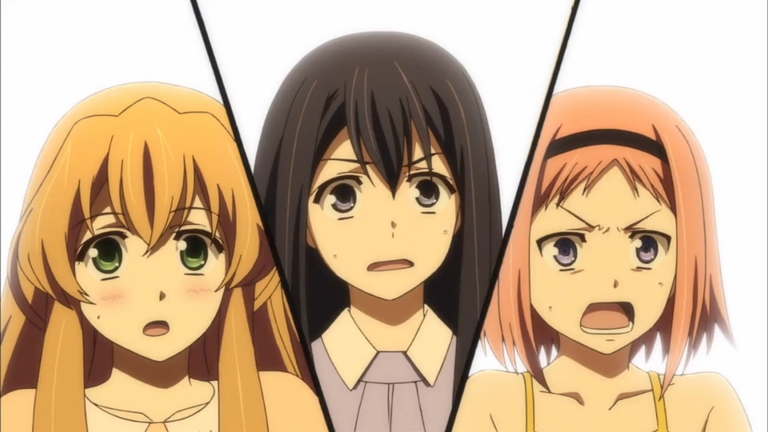
Brynhildr in the Darkness could have been a great sci-fi survival story about traumatized kids fighting against a conspiracy. It had the pedigree with Lynn Okamoto's writing and Studio Arms' technical skills. Instead it's a cautionary tale about what happens when you try to appeal to everyone and end up satisfying no one. The plot holes are massive, the character development is inconsistent, and the ending is insulting in how little it resolves.
If you want the real story, read the manga. It actually explains the mythology, gives the characters proper arcs, and doesn't shy away from the darkness without undercutting it with bad sex jokes. The anime is a shadow of what it could have been, a messy collection of good ideas executed poorly. It isn't the worst thing you'll ever watch, but it's definitely one of the more disappointing ones because you can see the good show trapped inside the bad one, struggling to get out.
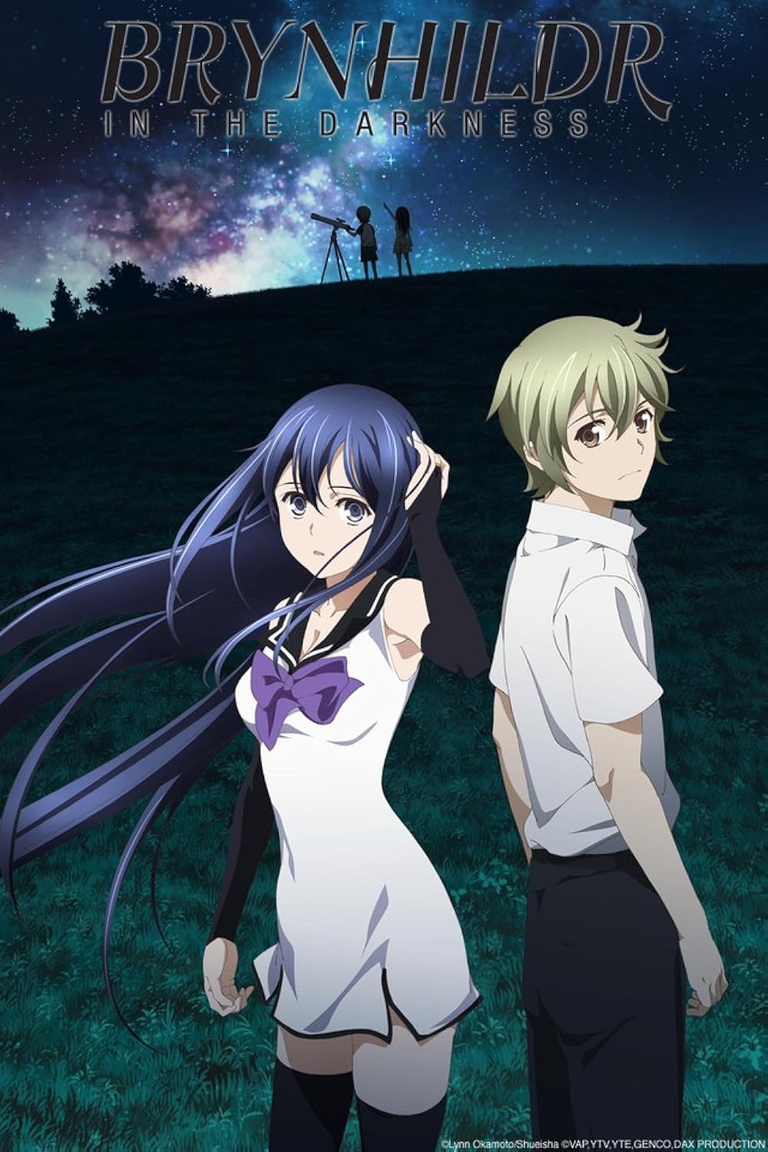
Skip this unless you're a completionist for the genre or you really need to see every variation of the escaped experiment girls trope. There are better shows that mix horror and harem elements without giving you whiplash, and there are definitely better shows about kids with superpowers fighting shadowy organizations. This one tried to be both and ended up being neither.