
Brynhildr in the Darkness anime review threads usually devolve into arguments about whether the show is misunderstood or just plain bad. It is bad. Lynn Okamoto wrote it, the same guy behind Elfen Lied, and Studio Arms animated it in 2014. You would think combining experimental superhuman girls with shadowy organizations would work, especially with that pedigree, but the execution falls apart so fast you'll get whiplash trying to follow what genre they wanted this to be.
The premise starts solid enough. Ryota Murakami has a photographic memory and spends his nights staring through telescopes because his childhood friend Kuroneko died trying to prove aliens exist. He blames himself. Then a transfer student named Neko Kuroha shows up looking exactly like Kuroneko but with no memory of him. She can break concrete with her bare hands and predicts people's deaths before they happen. Turns out she's a witch, one of several girls who escaped from a lab where scientists shoved alien parasites into their necks via devices called harnesses. Without special pills every two days, their bodies melt into puddles of blood and flesh. That's dark stuff. That's compelling horror material. But then the show remembers it's also a harem and ruins everything.
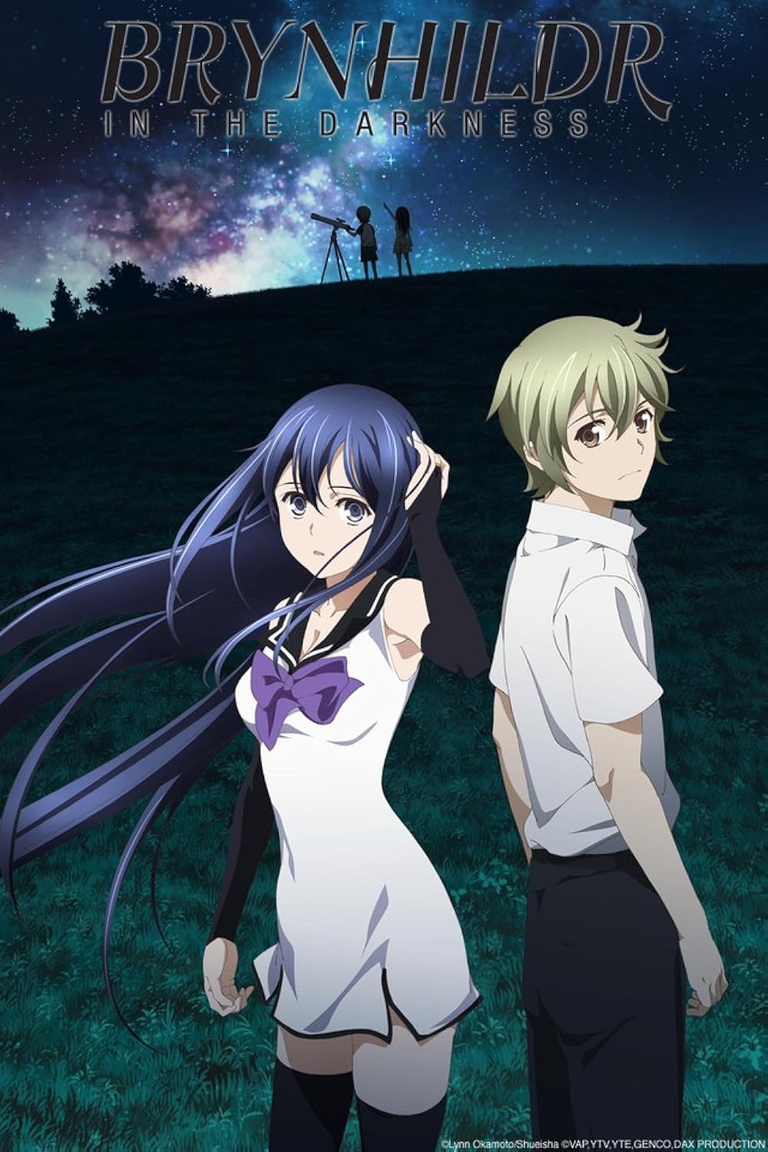
What The Show Thinks It Is
Brynhildr wants to be this emotional sci-fi tragedy about borrowed time and sacrifice. The girls are literal dead women walking, dependent on medication that only their captors can provide. They should be desperate and traumatized. Sometimes they are. Episode two hits you with a graphic death where a witch literally dissolves on screen, censored with white light on most streams but still disturbing. That's the show at its best, when it leans into the horror of being a disposable experiment.
But it can't commit. Around episode four, Kazumi shows up. She's a genius hacker who also happens to be obsessed with losing her virginity before she dies. The tone shifts from existential dread to breast grabbing and panty shots so fast you'll think you sat on the remote. One minute they're hiding from killers, the next they're at the beach. Some fans on Reddit noted this shift happens right after the first arc ends, turning what looked like Shield Hero with actual stakes into generic ecchi nonsense.
The Plot Is Held Together With Tape
The story makes no sense if you stop to think about it for more than five seconds. The witches have these harnesses in their necks that can be "switched off" by the organization hunting them. When that happens, they die instantly. So the battles aren't really battles, they're just the good guys trying to grab the enemy's neck before getting turned off. It makes every fight scene boring because you know it'll end with someone reaching for a switch.
And the aliens. Kuroneko was right about aliens existing, but the show introduces this massive plot point then forgets about it. The parasites in their necks are apparently alien, but where did they come from? Why does the organization want them? What's the endgame? THEM Anime Reviews pointed out that the mythology is incoherent, with important elements fading away without resolution. The final episodes introduce new characters who appear in the opening credits but don't show up until episode eleven, then expect you to care about them immediately.
The pacing is completely broken. The first few episodes drag, spending too much time on Ryota's astronomy club meetings and not enough on worldbuilding. Then the finale rushes through what should have been an entire season's worth of content. Major villains die offscreen. Plot threads get resolved by characters suddenly developing godlike powers they never had before. It's like they realized they only had thirteen episodes and panicked.
Characters Who Exist To Suffer
Ryota The Protector
Ryota should be interesting. He's smart, using his photographic memory to solve problems instead of punching harder. He doesn't have powers, just a good brain and a willingness to die for these girls. But he's written like every bland harem protagonist. He says "I'll protect you" about fifty times per episode. He never makes hard choices. He just reacts to situations and gets lucky.
The Witch Harem
Neko starts mysterious and tragic. She can't remember her past, she's dying, she's got trauma. But by the end, she's just the main love interest who needs rescuing. Her character development gets replaced by scenes where her clothes fall off.
Kazumi is the worst offender. She's a brilliant hacker who could have been a cool counterbalance to Ryota's astronomy obsession. Instead, every scene with her involves sexual harassment played for laughs. She sexually assaults Ryota constantly. The show treats her fear of dying a virgin as a joke, which is messed up considering these girls are actually dying.
Kana is paralyzed and uses a wheelchair. She can see the future, which makes her useful for warning about attacks. But the show sexualizes her too, having other characters make lewd jokes about her body while she can't move or speak to defend herself. It's uncomfortable to watch. One review noted this feels especially wrong because the girls are portrayed with innocence due to their messed up lives, making the exposure feel more inappropriate than usual fanservice.
Then there's Kotori, who shows up late in the series with the power to swap locations with people. She becomes the ultimate plot device. Every time the writers wrote themselves into a corner, Kotori used her powers to fix it instantly. She has no personality beyond being nice and useful.
When Horror Meets Harem And Both Lose
The tonal dissonance kills this show. You can't have a scene where a teenage girl melts into a pile of organs because she ran out of medicine, then cut to the next scene with a panty shot and a boob grab. It doesn't work. The horror loses its impact because you're waiting for the comedy sound effect to play. The comedy fails because you just watched someone die horribly.
MyAnimeList reviews consistently mention this as the show's biggest weakness. It's not that horror and comedy can't mix, but Brynhildr doesn't blend them. It just slaps them next to each other like two different shows stitched together. The fanservice isn't even good. It's censored with fog and light beams on most platforms, and what you can see feels forced and desperate.
Studio Arms made Queen's Blade and Ikki Tousen, so they know how to draw attractive characters. But here, the art style looks generic. Everyone has the same face with different hair colors. The CGI for cars and backgrounds is horrendous, sticking out like a sore thumb against the 2D characters. The animation during action scenes is stiff, often cutting away from the violence to save money.
Technical Stuff That Works And Doesn't
The soundtrack is actually pretty good. The piano-heavy OST creates real tension during the horror moments. The first opening song, "BRYNHILDR IN THE DARKNESS -Ver. EJECTED-" by Nao Tokisawa, is catchy and fits the dark sci-fi vibe perfectly. Then they switch to "Virtue and Vice" by Fear, and Loathing in Las Vegas for the last few episodes, and it's this jarring metal track that doesn't match the show's mood at all.
The voice acting in Japanese is solid. The English dub is rough. The ADR direction by Kyle Jones makes everyone sound like they're reading lines in a empty room. According to one Blu-ray review, the unnatural delivery ruins emotional scenes. Stick with subtitles if you watch this.
The Ending Betrays Everyone
The finale is a disaster. Major lore questions go unanswered. What were the aliens really? What happened during Neko's missing ten years? Why did the organization create witches just to kill them? None of it gets explained. Characters appear in the epilogue who should be dead, with no explanation of how they survived. The final battle involves Ryota suddenly figuring out a power combination that was never foreshadowed.
It feels like the showrunners expected a second season that never got greenlit. But that's not an excuse. Plenty of anime tell complete stories in thirteen episodes. This one just stopped. The last episode has this cheesy credit sequence set to happy music that completely undercuts the tragedy they were supposedly building toward.
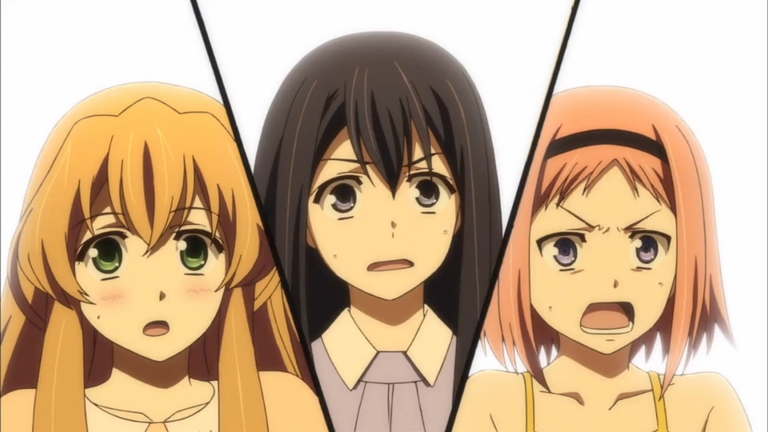
Why People Still Watch It
Look, Brynhildr in the Darkness isn't completely worthless. The concept of witches living on borrowed time creates real stakes you don't see in most anime. When they run out of pills, they actually die. No last minute saves, no power of friendship healing them. That creates tension that works in the early episodes.
Ryota using his brain instead of fists to solve problems is refreshing. He calculates angles, memorizes patterns, and uses astronomy knowledge to track enemies. That's cooler than another guy who just punches harder when he's angry.
But these good ideas drown in a sea of bad decisions. The show doesn't respect its own premise or its characters. It exploits their trauma for cheap drama then undercuts it with worse comedy.
Final Thoughts On This Mess
Brynhildr in the Darkness anime review scores average around 6 or 7 out of 10, which is insane. This should be a 4. It's a failure on almost every level except the soundtrack and the first three episodes. If you want sci-fi horror with experimental girls, watch Boogiepop Phantom or even Elfen Lied instead. If you want a harem, watch literally anything else.
The manga is supposedly better, with more time to develop the plot and less censorship on the gore. But the anime adaptation is what most people saw, and it's a cautionary tale about what happens when you try to please everyone and end up pleasing no one. One analysis called it a show that cannot decide if it wants to scare you or turn you on, and it fails at both.
Don't waste your time unless you're a completionist for Lynn Okamoto's work or you really like bad anime. There are better shows with similar premises that actually know what they want to be. This one is just a mess of wasted potential and uncomfortable fanservice.