
Bleach Thousand Year Blood War anime analysis usually misses the point by treating this like just another shonen return. The reality is that Studio Pierrot had ten years to figure out what went wrong with the original run and they used every lesson to make this adaptation hit harder than any Bankai reveal. This isn't just the final arc getting animated. It's a complete overhaul of how Bleach should look and feel, stripping away the filler that killed the 2004 series and replacing it with tight pacing that respects Tite Kubo's vision while fixing the rushed mess the manga became under weekly deadlines.
I saw some data that said this adaptation is split into four cours of 13 episodes each instead of the traditional long run. four cours structure That choice alone saves the story. The original anime drowned in filler arcs like the Bounts and the Captain Amagai saga because it caught up to the manga too fast. This time they're taking breaks between cours, letting the manga breathe while keeping every episode packed with actual plot. No more waiting 50 episodes for something to happen. Every fight matters. Every death sticks.
The Four Cour Structure Saves The Pacing
The original Bleach anime died because it got bloated. You'd have 20 episodes of characters standing around explaining their powers while the animation quality dropped to slideshow levels. This new approach of releasing 13 episodes then pausing means every frame has budget behind it. Apparently the final cour won't drop until 2025 or 2026, and honestly that's fine. final cour timing The wait sucks but it beats watching Ichigo fight a random guy with a clock sword for 12 episodes while the studio stalls for time.
The pacing in the first cour alone covers more ground than some entire seasons of the original show. We get the Wandenreich invasion, Yamamoto's death, Ichigo's heritage reveal, and the trip to the Royal Palace all in 13 episodes. That's insane density. The manga took forever to get through this because Kubo was dealing with health issues and editorial pressure. The anime fixes this by trimming the fat and adding new scenes that actually help instead of hurting. Sasakibe gets a real backstory now instead of just dying off screen. We see the original Gotei 13 in flashbacks that make Yamamoto's failure hit harder.
Why Yhwach Actually Works As A Final Boss
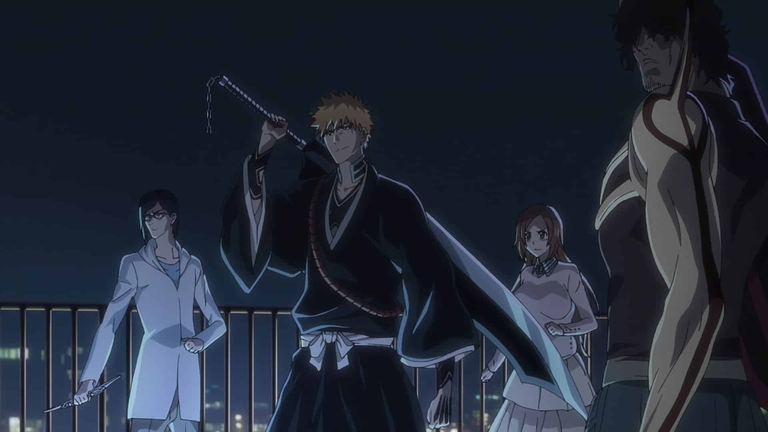
People love to compare Yhwach to Aizen, but that's the wrong move. Aizen was a schemer who got drunk on his own power and talked too much. Yhwach is just pure devastation. He's the father of the Quincy, he's been asleep for a thousand years, and he comes back with an army that makes Aizen's Espada look like weekend warriors. The guy can see every possible future and choose which one happens. That's not just overpowered, it's annoying in the best way because it forces the heroes to think around the problem instead of punching harder.
His design helps too. The black and white uniform with that commissar cap looks like something out of a WWII nightmare, which fits because the Quincy are basically running a eugenics program and stealing Bankai like they're collecting stamps. Quincy army design He's cruel in a way that makes you want to see him lose, not because he's cool like Aizen was, but because he's genuinely terrifying. When he kills Yamamoto and takes his Bankai, it doesn't feel like a plot twist. It feels like the Soul Society just got punched in the mouth by history itself.
The Animation Quality Jump Is No Joke
If you go straight from episode 366 of the original series to episode 1 of Thousand Year Blood War, the difference is ridiculous. The original had moments of brilliance buried under years of budget crashes where characters would just slide across the screen during fights. Now we've got fluid sword clashes, actual backgrounds instead of speed lines, and lighting that makes the spiritual pressure feel heavy. When Ichigo forges his new Zanpakuto, the forge scene looks like a movie. animation quality notes
Studio Pierrot brought in Tomohisa Taguchi to direct, and he gets what Bleach is supposed to be. The camera angles are more aggressive. The color grading is darker, less of that bright orange look the original had. Even the way characters move is different. They feel weighty. When Kenpachi cuts a meteor in half, it looks like it hurts. When Yhwach breaks Ichigo's Bankai, you see the metal shatter in slow motion with details that Kubo's black and white manga couldn't show. This is what fans waited ten years for. Not just the story ending, but the story looking like it always should have.
How The Anime Fixes Kubo's Mistakes
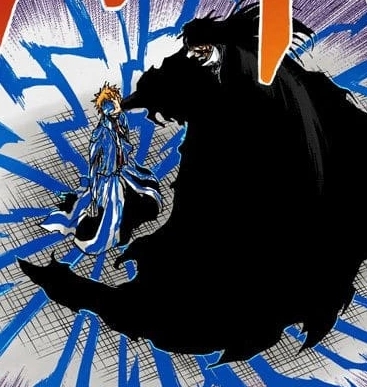
The manga version of Thousand Year Blood War is messy. Everyone knows it. Kubo was rushing toward the finish line, skipping fights, off-screening characters, and leaving plot threads dangling like loose shoelaces. The anime doesn't just adapt the manga. It fixes it. Characters who got no screen time in the manga get full fights here. Shinji actually uses his Bankai in the anime, which never happened in the comics. anime exclusive additions The Zero Division gets expanded scenes that make them feel like actual threats instead of just speed bumps for the villains.
They added backstory to the original Gotei 13 captains, showing them as bloodthirsty maniacs who fought the first Quincy war. That context changes everything about Yamamoto's character. In the manga he just looks like an old man who got cocky. In the anime you see he was trying to be better than the monster he used to be, and Yhwach exploited that mercy. They're also expanding the final battle against Yhwach, which in the manga lasted like three chapters and ended with an arrow out of nowhere. The anime has room to make that victory feel earned instead of accidental.
The Sternritter And Why Their Powers Matter
The Sternritter could have been generic villain fodder, but their letter system makes them interesting. Each one gets a Schrift power based on a letter of the alphabet, and these powers are weird in a way that forces the Soul Reapers to adapt. You've got guys who can turn your own doubts into poison, guys who can make you believe they're your best friend, and guys who can literally imagine things into existence. Gremmy Thoumeaux is the best example. He's a brain in a jar who almost killed Kenpachi by imagining a meteor and a void of space. That's so stupid it wraps back around to being great.
Their designs slap too. Bambietta Basterbine looks like she stepped out of a fashion magazine crossed with a weapons depot. Askin Nakk Le Vaar has that lazy smirk that makes you want to punch him. And when they activate Voll Stern Dich, the angel wings and halo effects make them look like holy warriors while they're committing war crimes. The contrast works. They're the mirror to the Gotei 13, organized and ruthless while the Soul Reapers are chaotic and honorable. The anime spends time showing their personalities instead of just killing them off panel like the manga did.
Ichigo's Heritage Actually Makes Sense Now
For years we joked about Ichigo being every species at once. He's a Human, then a Shinigami, then he has Hollow powers, then he's a Fullbringer, and now surprise he's also a Quincy because his mom got attacked by a special Hollow called White that was made by Aizen. In the manga this felt like power creep gone mad. In the anime, with the expanded flashbacks showing Masaki and Isshin's meeting, it gels better. You see why Ichigo had to be a hybrid. It wasn't random luck. It was Aizen's experiment creating a perfect fusion of all three spiritual types.
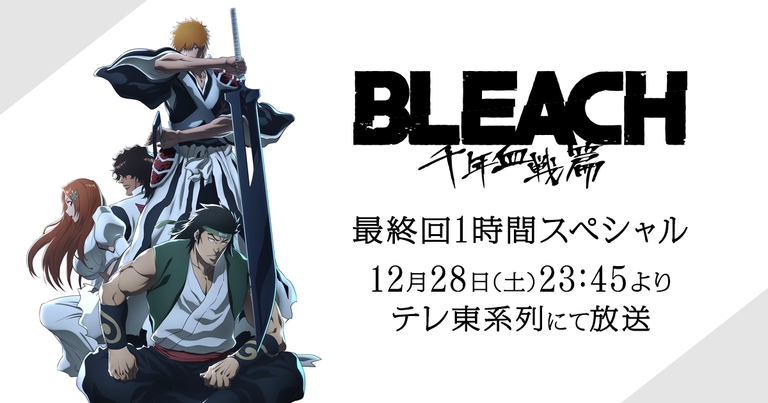
The scene where he forges his true Zanpakuto is the payoff. Instead of one sword, he gets two. One represents his Shinigami/Hollow side, the other his Quincy side. It's visual storytelling that explains his identity crisis without words. He's been trying to choose between being a normal human and being a Soul Reaper, but he's neither. He's something new. The anime takes time to let that sink in instead of rushing to the next fight. We see him train with the Zero Division, actually learning instead of just getting a powerup handed to him.
Squad Zero Gets The Screen Time They Deserved
In the manga, the Zero Division shows up, acts cool for three chapters, then gets beaten off screen. It was embarrassing. These were supposed to be the five strongest Shinigami in existence, the guards of the Soul King himself, and they jobbed to the Quincy without showing their abilities. The anime fixes this hard. We see Ichibei Hyosube's powers properly. He doesn't just fight Yhwach, he dominates him until the Almighty activates. We see Senjumaru Shutara's Bankai, which turns her sewing needles into an inescapable trap. zero squad expansion
Their personalities get fleshed out too. Tenjiro Kirinji is arrogant but backs it up with his healing springs that can regenerate limbs. Kirio Hikifune cooks food that boosts spiritual pressure. These aren't just powerful people, they're weirdos who have been sitting in the Royal Palace for thousands of years getting bored. The anime makes their defeat mean something because we actually know who they are when they die. It makes the Wandenreich look more threatening too. If these guys can kill the Zero Division, the Gotei 13 is screwed.
The Soundtrack And Direction Choices
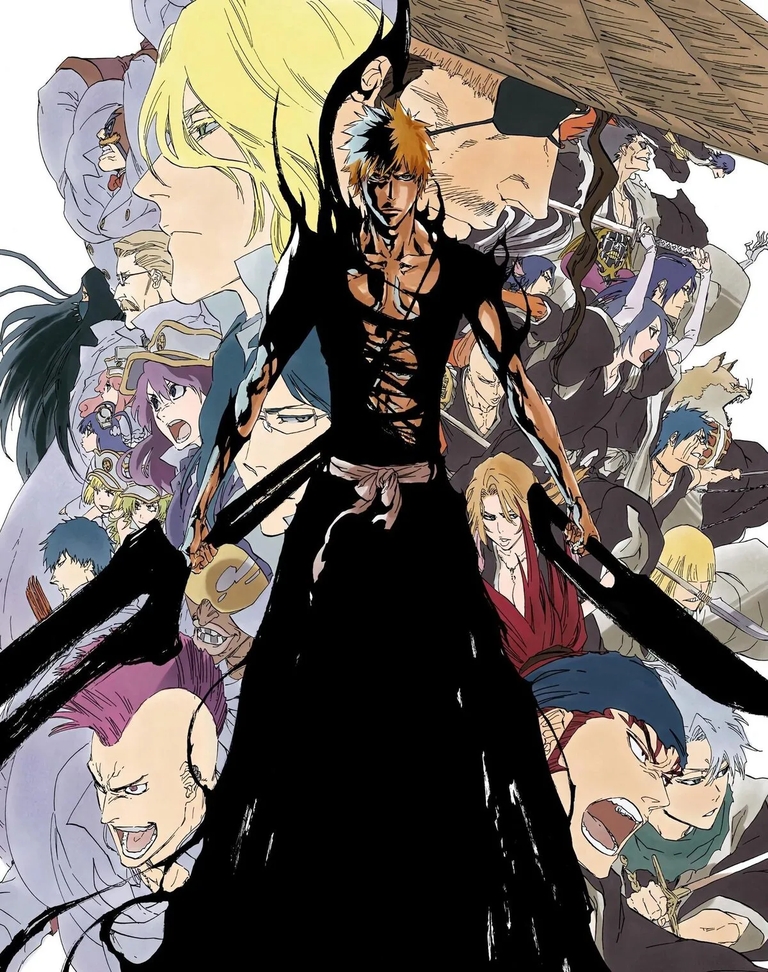
Shiro Sagisu came back for the music and you can tell he spent the hiatus getting better. The original Bleach soundtrack was iconic with tracks like Number One and Treachery, but this new score is cinematic. The choir chanting during Yamamoto's Bankai activation gives you chills. The heavy metal guitars when Kenpachi fights are perfectly cheesy in the way Bleach needs to be. Even the quieter moments have this ethereal humming that makes the Soul King feel alien and important.
Taguchi's direction deserves praise too. He uses color differently than the original anime. The Soul Society is darker, more shadowed, fitting for a war story. The Wandenreich headquarters is all white and sterile, like a hospital or a lab, which fits their eugenics themes. When characters release their Bankai, the screen lights up with particle effects that look like ink spreading in water. It's distinct. You can pause any frame and tell it's from Thousand Year Blood War versus the original series just by the lighting.
What Happens After The Final Cour
The fourth cour is going to adapt the end of the manga, but there's already talk of what comes after. Kubo released a one shot called New Breathes From Hell that teases an arc about Hell itself breaking open. sequel possibilities There's also the Burn The Witch spinoff which takes place in the same universe but in London, dealing with dragons instead of Hollows. And don't forget the light novels. Can't Fear Your Own World expands on the Soul King lore and explains what Aizen was really trying to do.
The anime has already started incorporating novel elements. Little references to the Soul King's history that were only in the books. This suggests the final cour might expand on the ending instead of just copying the manga's rushed finale. We might see more of Uryu's role explained, or what happens to the Soul Society after Yhwach's death. The anime has earned the benefit of the doubt. If they're willing to give Sasakibe a backstory, they'll give the finale the time it needs.
Why This Anime Matters For Shonen
Bleach was the black sheep of the Big Three for years. Naruto ended properly. One Piece is still going strong. Bleach got cancelled and mocked for its decline in quality. Thousand Year Blood War is the comeback story. It proves that with the right production schedule and no filler, Bleach can stand next to modern hits like Jujutsu Kaisen and Demon Slayer. The animation quality is there. The story is tight. The characters get endings that matter.
For old fans, it's vindication. We knew Bleach was good when it was good. The Soul Society arc is still one of the best shonen arcs ever written. This final arc ties back to that quality by focusing on the Quincy conflict that was always in the background. For new fans, it's a complete story they can binge without suffering through the Bount arc or the New Captain arc. They can watch the good parts and skip the filler entirely. That's the way it always should have been.
Bleach Thousand Year Blood War anime analysis comes down to this. Studio Pierrot learned from their mistakes. They took the time, spent the money, and respected the source material enough to fix its flaws. The result is a war story that feels brutal, a character study that feels earned, and a finale that might actually stick the landing. When that final episode drops, and Ichigo swings that blade for the last time, it's going to close a chapter that started in 2001. And it's going to close it right.