
Most best underdog sports anime series recommendations online are garbage lists written by people who watched three episodes of Haikyuu and called it a day. You want real underdog stories, not power fantasies where the main character starts with god-tier genetics and just needs to believe in himself to unlock super speed. I'm talking about weaklings who get beaten down, learn actual skills through ugly repetition, and win through strategy and grit rather than plot armor. These anime make you feel every bruise and every failed practice attempt because the writers understand that sports aren't about destiny, they're about suffering through plateaus and coming out the other side with calloused hands.
The problem with modern sports anime is they confuse underdog with hidden genius. An underdog isn't someone who was secretly the best all along and just needed confidence. That's a cop-out. Real underdog anime shows you the boring parts. The footwork drills. The getting winded after five minutes. The technical mistakes that cost games. When you watch these series, you should feel like you're training alongside them, not watching a superhero origin story with a ball involved.
What Separates Real Underdogs From Fake Ones
You can spot a fake underdog immediately. They'll have some tragic backstory about their parents dying or being bullied, but then they pick up a racket and suddenly they're hitting pro-level shots because they have natural talent. That's not an underdog, that's just a prodigy with a sad childhood. Real underdog anime shows you characters who lose repeatedly to people who work harder than them, then have to actually change their training methods, sleep schedules, and mental approaches to compete.
The best underdog sports anime series recommendations focus on process over results. You see the protagonist miss shots, forget plays, and get physically overpowered by opponents who have been training for years. The victory feels earned because you watched them fail first. This is why I can't stand shows where the main character wins tournaments in their first year. That's not how sports work. You get wrecked for seasons before you even make regionals.
Hajime no Ippo Still Sets the Standard
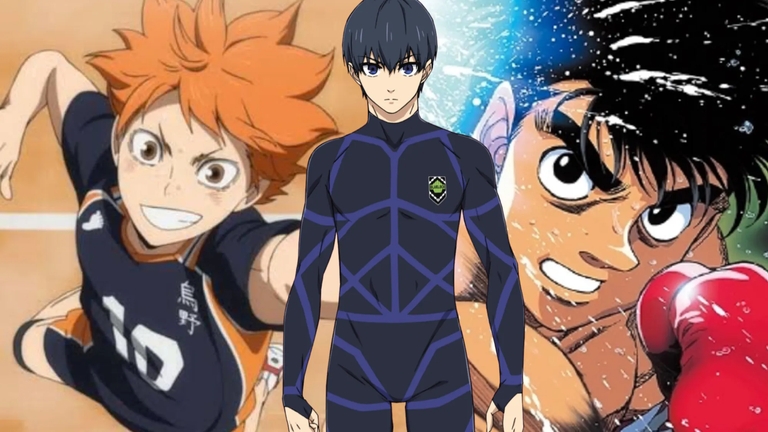
If you haven't watched Hajime no Ippo, you don't understand underdog sports anime. This series follows Ippo Makunouchi, a kid who gets beaten up by bullies because he's shy and weak and doesn't fight back. He starts boxing not because he has some innate talent for punching, but because he wants to know what it feels like to be strong. The first few episodes show him struggling to jog around the gym without puking. His coach makes him practice the basic jab for weeks until his shoulders burn.
What makes this the gold standard is that Ippo doesn't suddenly become the best boxer in Japan because he got angry. He wins early fights through pure endurance and taking punishment, which is realistic for a beginner with a strong jaw but no technique. The show spends entire episodes on weight training, learning how to build muscle properly, and the mental toll of cutting weight. When Ippo finally starts winning legitimately, it's because he's put in more hours than his opponents, not because he unlocked a secret family technique. The boxing matches feel brutal and technical. You see him learn footwork patterns, how to dodge by millimeters, and how to manage stamina across twelve rounds. It's ugly and repetitive and that's exactly why it works.
Haikyuu!! Understands Height Disadvantages
Everyone talks about Haikyuu!! being an underdog story, but most people miss why it actually works. Shoyo Hinata isn't just short. He's so short that volleyball coaches would normally never look at him twice. The show doesn't pretend he can jump over blockers because he tries hard. Instead, it shows him developing specific techniques to compensate. He learns to time his jumps faster, to hit shots that exploit the tiny gaps between hands, and to work with his setter Kageyama in ways that maximize his limited reach.
The Karasuno team itself is an underdog because they fell from glory years ago. They're not the cool school anymore. Other teams have better funding, taller players, and longer histories of success. When Karasuno wins, it's because they run drills until their legs give out. They study film. They develop new quick sets that require millisecond timing. The anime shows you that teamwork isn't just about friendship, it's about technical precision and trusting that your teammate will be exactly where they need to be. Hinata spends episodes just learning how to receive serves properly because his fundamentals are trash. That's realism.
Yowamushi Pedal and Natural Talent Done Right
Sakamichi Onoda from Yowamushi Pedal is an otaku who rides his heavy mommy bike to Akihabara every week to buy anime merch. The series starts with him having zero knowledge of competitive cycling. He doesn't even know what a racing bike looks like. When he joins the club, he has the leg strength from years of climbing hills on a heavy bike, but his technique is garbage. He doesn't know how to draft, how to corner, or how to pace himself.
What saves this from being another secret prodigy story is that Onoda stays weird and awkward. He never becomes a cool jock. He wins races by leaning into his weirdness, singing anime songs to keep his cadence up. The show teaches you actual cycling strategy. You learn about peloton dynamics, breakaway tactics, and the different types of climbers and sprinters. Onoda gets dropped by better cyclists constantly. He has to build his bike handling skills from nothing, and the anime spends time showing how scary descending is when you don't know how to lean into turns. It's refreshing because he doesn't win everything. He gets podium finishes through specific circumstances where his climbing ability matters, but he loses sprints because he's not built for them.
Giant Killing and Adult Underdogs
Most sports anime focus on high school kids because it's easier to write teenagers learning things. Giant Killing is different. This soccer anime follows East Tokyo United, a professional team that's been losing so badly their fans are leaving. The players are adults with mortgages, aging bodies, and damaged confidence. They hire a new coach who has to rebuild a team of has-beens and never-wases.
What makes this one of the best underdog sports anime series recommendations is the perspective switching. You see the game from the manager's view, the PR department stressing about ticket sales, the veteran players worrying about retirement, and the young guys trying to prove themselves. The opponents aren't evil. They're just better funded and more organized. When ETU wins, it's because they use specific tactical formations that exploit weaknesses in superior teams. The animation uses native voice actors for foreign players, so when they play against Dutch or Brazilian teams, they actually speak those languages. That's attention to detail you don't see elsewhere.
Salaryman's Club Brings Corporate Pressure
Mikoto Shiratori used to be a badminton prodigy as a kid. Then he choked in a major game and lost everything. Salaryman's Club picks up years later with him working at a beverage company, avoiding the sport entirely. He gets dragged into the company team and has to rebuild his confidence while juggling actual work deadlines.
This hits different from school anime because these guys have day jobs. They practice after eight hours of sales meetings. The company doesn't care about their feelings. They care about winning tournaments for brand recognition. Shiratori isn't just fighting other players. He's fighting the memory of his failure and the reality that he's not a kid anymore. His body has changed. The badminton is fast and technical, focusing on doubles strategy and the specific physics of shuttlecock trajectory. When the team wins, it's because they learn to trust each other as coworkers first, athletes second.
Ace of Diamond and Baseball Realism
Eijun Sawamura gets invited to Seidou High School, a baseball powerhouse, but he's the worst pitcher there. The series doesn't pretend his raw talent equals the polished mechanics of guys who've been training with private coaches since elementary school. Sawamura has a weird pitching motion that puts strain on his elbow. He can't throw strikes consistently. He gets benched for entire tournaments.
The anime shows you how pitching mechanics actually work. You learn about different grips, how to read batter stances, and why control matters more than speed sometimes. Sawamura spends seasons developing a single pitch. He gets sent to the farm team. He has to earn his spot back through bullpen sessions that look boring but are crucial for muscle memory. When he finally becomes the ace, you believe it because you watched him rebuild his delivery from scratch after injuring his foot. Baseball anime usually focuses on batting because it's flashier, but Ace of Diamond respects the grind of being on the mound.
Eyeshield 21 and Contact Fear
Sena Kobayakawa didn't choose football. He got dragged into it by Hiruma, a demon quarterback who saw Sena running from bullies and recognized the speed. But here's the thing about American football that the show gets right. Speed means nothing if you can't see the defenders coming. Sena spends entire episodes learning how to read defensive formations, how to protect the ball when he gets hit by guys twice his size, and how to run routes that aren't just straight lines.
The underdog angle works because Deimon High School's team is a mess. They don't have enough players. They have to use a baseball player as a receiver and a wrestler as a lineman. Sena starts as the cowardly manager who just hands out water. When he puts on the helmet with the eyeshield to hide his identity, he's not just hiding from opponents. He's hiding from his own fear of contact. The anime shows you how scary it is to get tackled by a 200-pound linebacker when you weigh 120 pounds soaking wet. Sena has to build muscle, learn proper tackling form, and develop field vision. The Devil Bats win games through trick plays and specific football strategy rather than just trying harder. They exploit rule loopholes and use onside kicks and flea flickers because they know they can't win straight up against powerhouses like the White Knights.
Slam Dunk and Beginner Mistakes
Sakuragi Hanamichi is a red-haired delinquent who joins the basketball team because he wants to date Haruko. He has never touched a basketball in his life. The first episodes show him learning how to dribble without looking at the ball, how to do a layup without traveling, and how to run the fast break without dying of exhaustion. Takehiko Inoue's series is brutal about how uncoordinated beginners look. Sakuragi fouls out of games in minutes because he doesn't understand verticality rules. He tries to dunk on people and gets stuffed because he can't jump that high yet.
The underdog story here is that Shohoku High School hasn't been to nationals in years. They're an afterthought in Kanagawa basketball. But Sakuragi isn't the only underdog. The team is full of them. Rukawa is a genius but plays selfishly. Miyagi is short for a point guard and has a temper. Mitsui used to be good but quit for two years and is now out of shape. The anime makes you watch them run suicide drills until they puke. You see Sakuragi's fingertips bleeding from practicing layups against the wall ten thousand times. When they finally start winning, it feels like watching a real team gel because you saw them lose to garbage teams first.
Run with the Wind and Non-Athletes
Ten guys living in a rundown college dorm get forced into running the Hakone Ekiden, a famous relay marathon. Most of them have never run seriously. One guy is a former smoker. Another is just trying to get his humanities credit. The only serious runner is the guy blackmailing them into joining.
This anime captures the specific pain of starting cardio from zero. You see them getting side stitches, buying the wrong shoes, and learning about pacing the hard way. The underdog element isn't just that they're competing against elite running schools. It's that they're competing against their own desire to quit. The animation shows how ugly running form looks when you're exhausted. They don't magically become Olympic athletes. They just become competent enough to finish the race, which is more satisfying than any supernatural victory.
Extreme Sports Underdogs
Underdog stories hit harder in extreme sports because the physical risk is real. Megalo Box reimagines boxing in a cyberpunk setting where fighters use mechanical exoskeletons called Gear. Joe starts as a junkyard fighter throwing illegal matches for food money. He enters the professional circuit with fake Gear that doesn't even work properly. The anime explores how poverty affects athletic careers. Joe can't afford proper medical care or training facilities. He has to fight injured because he needs the purse money.
Air Gear takes aggressive inline skating and adds physics-defying battles, but the core underdog story of Ikki Minami works because he starts as a gutter trash fighter living with four adoptive sisters in a small house. He can't afford the high-end Air Trecks that the rich kids use. He has to learn tricks on cheap equipment that falls apart. The Storm Riders gang warfare mirrors real skate culture where territory and style matter more than winning tournaments. Ikki gets beaten down by teams with better gear and formal training until he learns to customize his own skates and develop a unique riding style that compensates for his lack of resources.
SK8 The Infinity follows Reki teaching Langa to skateboard, but Reki's own arc involves realizing he's plateaued while newcomers surpass him. That's a specific type of underdog pain, watching someone with less time in the sport get better faster because they have different athletic backgrounds.
Honorable Mentions That Get It Right
Uma Musume is weird because they're horse girls, but the underdog stories are based on real racehorses. The anime shows the brutal reality of leg injuries in racing. One wrong step and a career ends. The characters deal with the pressure of being favorites versus being longshots. When an underdog wins, it's because they trained through specific injury protocols and mental blocks, not because they got a magic boost.
Ping Pong the Animation looks ugly on purpose. The art is rough and sketchy. It follows Peco, a naturally talented player who gets lazy and loses to robots who train harder. Smile is his friend who has no talent but works obsessively. The anime asks whether it's better to be a natural underachiever or a grinding overachiever. The matches are fast and chaotic, emphasizing that table tennis is too quick for conscious thought. You win or lose based on muscle memory developed through thousands of boring repetitions.
Why We Keep Coming Back to These Stories
You don't watch these shows for the wins. You watch them for the moment when a character realizes they've gotten better without noticing. When Hinata finally receives a spike that would have destroyed him in episode one. When Ippo's jab becomes automatic. When the Salaryman's Club team finally moves in sync. These moments hit because they mirror real life. You don't get a power-up soundtrack in real life. You just wake up one day and realize the thing that was hard is now easy.
The best underdog sports anime series recommendations don't lie to you about how improvement works. They show you that talent is just the starting line and that the real race is against your own consistency. Whether it's cycling up a mountain, throwing a baseball, or just learning to set a volleyball when you're five feet tall, these anime respect the sport enough to show you the boring parts. That's what makes the victories matter.