
Arifureta From Commonplace to Worlds Strongest anime analysis has to start with the production disaster. The original creator Ryo Shirakome watched the first cut in 2018 and told them to burn it. He looked at what White Fox initially produced and said this isn't my story. They delayed the show for fifteen months. They fired the director Jun Kamiya and brought in Kinji Yoshimoto. Asread joined White Fox to help fix the mess. That level of behind the scenes chaos doesn't usually happen in anime production. Most shows get made and shipped even if they're terrible. The fact that the author cared enough to stop everything should tell you something about either his dedication or how bad that first version really was.
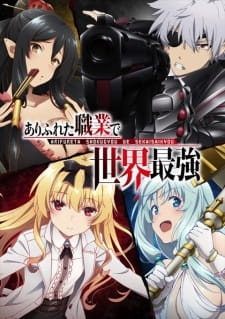
What we got in July 2019 wasn't good either. It was a mess of compromised vision and budget constraints. The animation quality fluctuates between decent character art and CGI monsters that look like they escaped a Nintendo 64 game. The story starts in the middle of the action then jumps back in time through clumsy flashbacks. Hajime Nagumo screams a lot and eats monsters to gain powers. Some people think this is the worst isekai ever made. Others will defend it to the death as a fun power fantasy. The truth sits somewhere in the middle of that dungeon pit Hajime falls into. It's a broken show with occasional moments of genuine entertainment value.
Looking at this series requires understanding what went wrong. You can't just watch episode one and understand why the pacing feels like a car crash. You need to know about the source material changes. The light novels by Overlap Bunko have a huge fanbase. The web novel was massive on Shosetsuka ni Narou. The anime cut half the setup and jumped straight to the edgy stuff. That decision alienated viewers who wanted world building. It attracted viewers who wanted instant gratification. Both groups left disappointed for different reasons.
How the 15 Month Delay Changed Everything
Most anime studios don't get second chances. When a production schedule goes bad they just release whatever garbage they have and apologize later. Arifureta got pulled back from the brink. The original planned release was 2018. Then reports surfaced that Shirakome hated the direction. The scripts were wrong. The storyboards didn't match his vision. So they scrapped months of work.
Kinji Yoshimoto took over as director. Asread came in to assist White Fox. The result was still rushed but apparently better than the original cut. You can see the seams everywhere. Character designs shift slightly between episodes. The CGI integration gets worse as the season progresses because they were cutting corners to meet the new deadline. The source material details) show a complex magic system and deep lore that the anime glosses over. We get glimpses of transmutation circles and ancient labyrinths but no explanation of why they exist.
The delay also forced them to change the story structure. They chose to start with Hajime already in the dungeon. He's falling. He's screaming. Then flashback to the classroom summoning. This in medias res approach confuses viewers who don't know the characters yet. We see Hajime getting bullied by his classmates but we don't know their names or relationships. The betrayal that sends him into the pit lacks impact because we spent five minutes with these people. The episode one review points out this structural choice skips vital setup. We should have seen the class adjusting to the new world. We should have seen Hajime trying to use his Synergist class creatively before the fall. Instead we get immediate edge.
The CGI Disaster and Visual Inconsistency
You've heard about the CGI. Everyone has. The monsters in this show look unacceptable for 2019. The Hydra that Hajime fights early on moves like a rubber hose animation from the 1930s but worse. It has no weight. The textures look like smeared plastic. When Hajime shoots it with his makeshift gun there's no sense of impact. The bear monster later in the season has similar problems. Critics compared it to PS2 era graphics and they weren't being mean. They were being accurate.
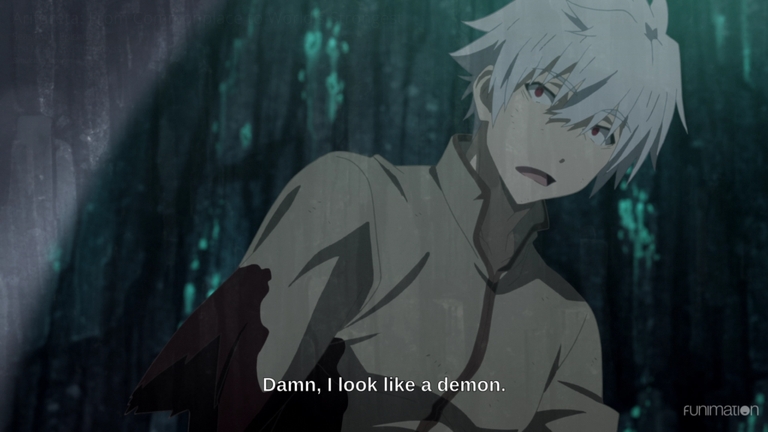
The problem isn't just that the CGI looks cheap. It's that it contrasts so harshly with the 2D character art. Hajime and Yue look fine when they're standing still. The designs by TakayaKi are appealing. Then a CGI worm bursts out of the ground and the illusion shatters. The MAL reviews consistently mention this visual whiplash. Some viewers found it funny. They treated the show as a comedy because the monsters looked so ridiculous. Others couldn't get past episode three because it broke their immersion completely.
Even the Blu Ray release didn't fix much. They cleaned up some animation errors but the fundamental CGI models stayed ugly. The lighting on the monsters never matches the background plates. Hajime's gun sometimes looks like a real weapon. Sometimes it looks like a toy superimposed on the frame. The production was clearly struggling to keep up. When you compare this to other isekai from the same year like Shield Hero or Slime, the gap in quality is embarrassing. Those shows had consistent art direction. Arifureta feels like three different studios fighting for control of each frame.
Hajimes Character Arc Works Despite the Edge
Despite the visual mess, the core concept holds water. Hajime starts as a complete weakling. His class is Synergist which basically means transmutation or blacksmithing. In a world of sword saints and mages, he's the guy who can make silverware. His classmates bully him for being useless. His teacher pities him. Then he falls into the abyss and breaks.
The transformation is brutal. He loses an arm to a bear monster. He eats monster meat to survive and it changes his body chemistry. His hair turns white. His eyes turn red. He goes from a timid otaku to a ruthless survivalist who only cares about escaping. This isn't a sudden powerup. He earns it through pain and desperation. The anime analysis from Anime Hajime makes a solid point here. Hajime isn't gifted godlike powers at the start like Kirito or Rimuru. He suffers for every ounce of strength.
Where it goes wrong is the tone shift after he meets Yue. He finds this vampire princess trapped in the dungeon and suddenly he's not a monster anymore. He's a harem protagonist. The edge dulls immediately. One minute he's killing things to survive. The next he's blushing because a 300 year old vampire loli kissed him. The whiplash is severe. The show wants to be Tokyo Ghoul but also wants to be High School DxD. It can't pick a lane.
Yue Shea and Tio The Harem Problem
Yue is the best character in the show and it's not close. She's powerful. She doesn't need Hajime to protect her. In fact she often saves him. Their partnership starts as mutual need. He's trapped and needs her magic. She's trapped and needs his transmutation to break her chains. They develop a bond that feels earned because they survived hell together. The scenes where they fight side by side against the labyrinth guardians are the highlights of season one.
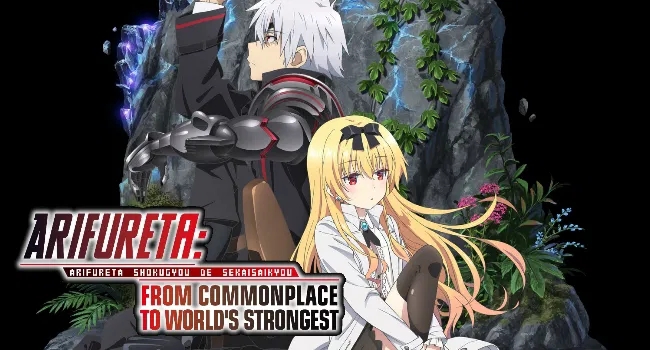
Then Shea shows up. She's a rabbit beastman with precognition. She's loud. She's annoying. She's also weirdly competent in combat. She provides comic relief but the show doesn't know how to balance her against the dark tone established earlier. Her introduction involves Hajime shooting her to test if she can dodge bullets. It's played for laughs but comes off as sociopathic given what we know about his trauma.
Tio gets it the worst. She's introduced late in the season with terrible CGI dragon form. She's a masochist dragon lady who gets off on Hajime hitting her. Her character development gets compressed into two episodes. In the light novels she's a complex character with political motivations. In the anime she's just the pervy dragon girl who joins the harem. The pacing craters here. We're supposed to care about her backstory but we just met her. The Outer Haven review mentions how rushed this felt compared to the labyrinth sections.
Why Guns in a Fantasy World Breaks Everything
Hajime doesn't use swords or magic like everyone else. He builds a revolver. Then a rifle. Then a gatling gun. Eventually he builds a humvee and drives it through a desert. This breaks the power scaling of the setting completely. The godlike heroes from his class are swinging swords at dragons while he's shooting .50 caliber rounds at demon lords.
Some viewers love this. It's creative use of his transmutation skill. He's not bound by the rules of the world because he makes his own rules. Others hate it. They say it ruins the tension. Why would anyone use a sword when guns exist? The show handwaves this by saying only Hajime can create modern weapons because of his unique circumstances. It's a weak excuse but you either buy into it or you don't.
The motorcycle scene in season two encapsulates the entire series. Hajime drives a bike up a vertical wall while shooting monsters. It makes no sense physically. It looks ridiculous. It's also kind of awesome in a stupid way. That's Arifureta in a nutshell.
The So Bad Its Good Defense
Some fans will tell you Arifureta is intentionally funny. They say you're supposed to laugh at the CGI. You're supposed to enjoy Hajime's edgelord lines about killing anyone who gets in his way. There's merit to this argument. The show does produce unintentional comedy gold. The scene where Hajime confronts his classmates after escaping the dungeon is legendary for all the wrong reasons. He shows up in black armor with a gun and white hair. They stare at him like he's a ghost. He acts like a total jerk and it's satisfying because these kids were bullies. But then he starts monologuing about being an abyss walker or whatever and you can't help but laugh.
The review from Takamaki Okerar calls it a full fledged horror comedy. Not because it's scary but because the writing is so broken it becomes entertaining. Shea declaring she'll take Hajime's virginity in a crowded inn is such a weird choice. The dragon probing scene with Tio is uncomfortable but also absurd. If you watch this show with friends and alcohol, it's a great time. If you watch it seriously as a dark fantasy, you'll hate it.
The soundtrack by Void Chords slaps though. The rock and punk tracks fit the edgy aesthetic perfectly. Even when the visuals fail, the music sells the intensity. The opening theme FLARE gets you hyped even if the show doesn't deliver on that promise.
Season Two and What Changed
They made a season two. Akira Iwanaga replaced Yoshimoto as director. The CGI improved marginally. The pacing got better because they weren't trying to cram five volumes into thirteen episodes. We got to see more of the world outside the labyrinth. The political intrigue with the demon kingdom started showing up. It still wasn't great but it was watchable.
The third season got announced. The franchise makes money despite the quality issues because the source material is genuinely popular. The light novels sell well in Japan and America through Seven Seas. People want to see Hajime's adventure animated even if the animation sucks. There's something compelling about a guy who starts at rock bottom and claws his way to the top using forbidden techniques and blacksmithing skills.
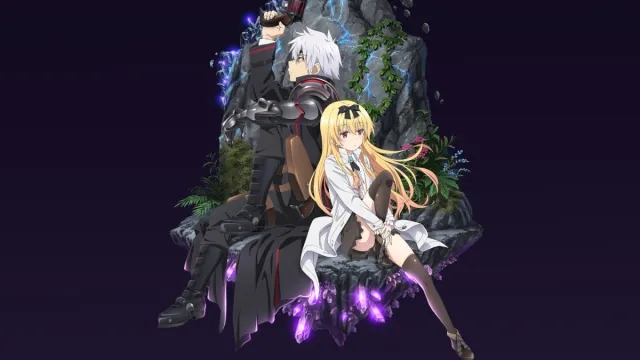
The show also fails its female characters in ways that are worth examining. Yue starts as an equal partner. She has centuries of knowledge. She can cast magic without chanting. She's arguably stronger than Hajime in raw power. But as the harem expands, she becomes just another girl fawning over the protagonist. Her agency gets reduced to jealousy scenes where she pouts when Shea gets too close. A 300 year old vampire shouldn't act like a middle schooler but that's what the genre demands.
Shea has the opposite problem. She's introduced as comic relief but gets moments of genuine competence. She can see the future. She fights with a war hammer that would crush a normal person. The show forgets this whenever it wants Hajime to look cooler. She becomes a damsel in distress at random intervals despite being able to dodge bullets.
The classmate characters are useless. The show keeps cutting back to them doing political stuff in the kingdom while Hajime is dungeon diving. Nobody cares. We don't know their names. We don't care about their tea parties or their concerns about the demon invasion. Every time the episode cuts away from Hajime and his harem to show the class president giving a speech about unity, the show dies a little more. These segments feel like padding because they are padding. The light novels spend time developing them. The anime assumes you already know who they are. It doesn't work.
The voice acting deserves mention. Toshinari Fukamachi plays Hajime with the right amount of grit and exasperation. He knows the lines are edgy. He commits anyway. Yuuki Kuwahara makes Yue sound ancient and tired but also warm when she's with Hajime. The English dub from Funimation is surprisingly solid too. The actors seem to get that the show is ridiculous and they play into it. Matt Shipman gives Hajime a rougher tone that sells the transformation better than the Japanese track in some scenes.
But good acting can't save bad direction. The camera angles are basic. The fight choreography is just characters swinging at each other with speed lines. When Hajime fights the bear in episode one, it's a blur of motion that looks like two GIFs overlapping. The budget was clearly spent on the character designs and the opening song. Everything else got leftovers.
Arifureta From Commonplace to Worlds Strongest anime analysis wouldn't be complete without admitting the cultural impact. It's a meme. It's a cautionary tale about production committees. It's also a guilty pleasure for thousands of viewers who know it's bad but keep watching anyway. The show represents everything wrong with the isekai boom. It also represents why the genre persists. People love power fantasies. They love seeing the underdog get revenge on his bullies. Even if that revenge involves looking like Shadow the Hedgehog and building a harem of monster girls.
Looking back, Arifureta serves as a perfect example of what happens when adaptation goes wrong but the source material is strong enough to carry it. The light novels are pretty good. The manga adaptation by RoGa is actually solid. The anime is the worst version of the story. Yet it's the most widely seen version because anime has the biggest reach. That's frustrating for fans who want people to experience the better iterations.
If you're curious about the series, read the light novels or the manga. Watch the anime only if you want to see the CGI memes or if you need background noise while folding laundry. It's not the worst thing ever made. Smartphone Isekai exists. Master of Ragnarok exists. Arifureta has enough entertainment value to justify its existence, barely. It sits in that weird space where it's too bad to be good but too good to be completely dismissed. The third season will probably happen. People will watch it. They'll complain about the dragons looking like rubber toys. They'll cheer when Hajime shoots another god. The cycle continues.