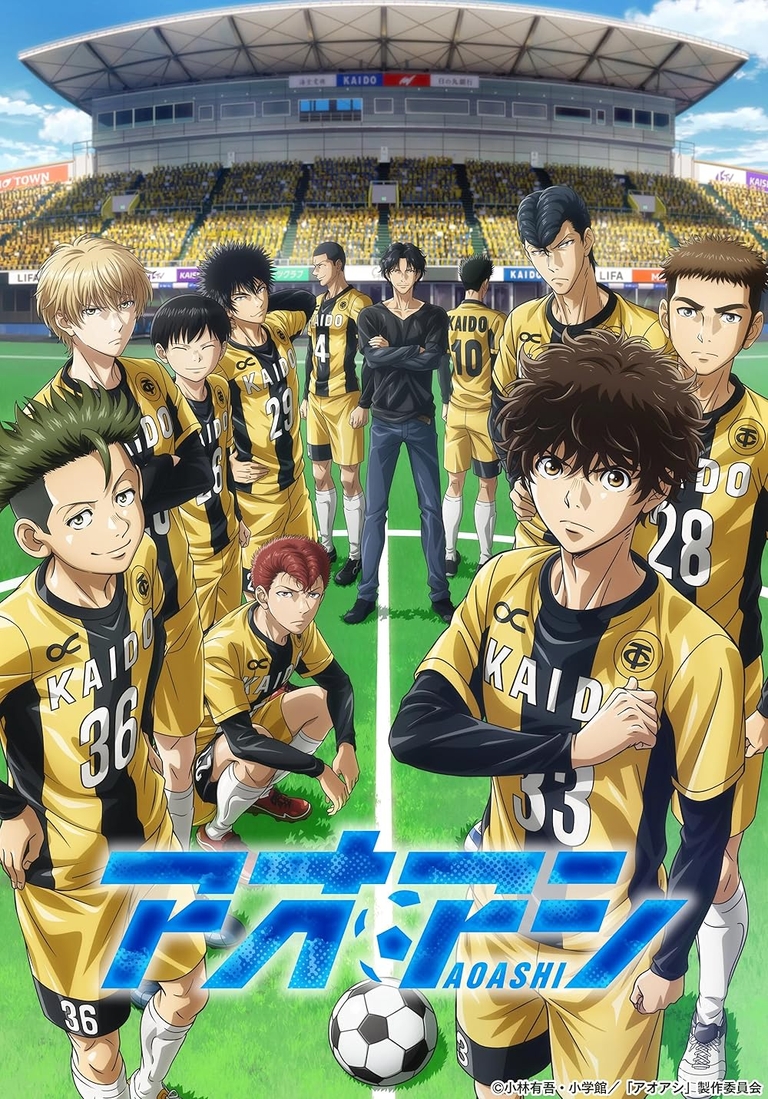
Ao Ashi football tactics and strategy work because they refuse to lie to you. Most sports anime want you to believe that screaming louder makes you run faster or that friendship literally generates superpowers on the pitch. Ao Ashi doesn't play that game. It shows you a kid from Ehime who thinks he's hot stuff because he can dribble past farmers and then drops him into a Tokyo youth academy where he suddenly realizes he doesn't know how to trap a ball properly. That's the hook. That's what makes this show hit different from every other soccer anime that's tried to sell you dragon shots or whatever Blue Lock is cooking with its ego-meter nonsense.
The series follows Ashito Aoi, this raw talented striker who gets scouted by Tatsuya Fukuda for Esperion FC's youth system. Fukuda sees something in him, but it's not the usual "he's got the strongest legs" or "he can kick it really hard" garbage. Ashito sees the field differently. He's got this spatial awareness thing, this bird's eye view where he remembers where every player was ten seconds ago and predicts where they'll be next. That's a real tactical skill. Scouts actually look for that. The show doesn't turn it into a glowing aura or slow-motion effect that stops time. It's just a kid who thinks spatially while everyone else is chasing the ball like headless chickens. When you watch him struggle to control basic passes while simultaneously seeing passing lanes nobody else sees, you understand exactly why football scouts get paid big money to find these weird brains.
The Position Change That Breaks Brains
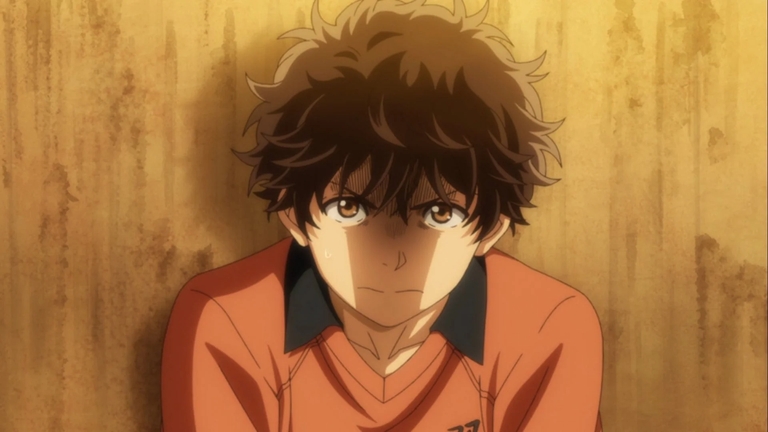
Here's where Ao Ashi football tactics get genuinely spicy. Fukuda takes this striker, this goal-hungry forward who only cares about scoring, and forces him to play right-back. Defensive fullback. The position where you run up and down the line all day supporting attacks while also having to track wingers who are faster than you. Ashito hates it. He fights it. He thinks his coach is punishing him or trying to break his spirit. But Fukuda isn't being cruel for fun. He's teaching Ashito how football actually works in the modern era.
See, Ashito has the vision to be a playmaker but not the technical skill to play central midfield yet. He has the stamina and the tactical mind to control space, but he's too selfish to be a striker. So Fukuda sticks him at fullback where he has to learn defensive positioning, where he has to understand how teams build from the back, where he can't just wait for the ball to come to him in the box. It's brilliant coaching and also kind of messed up because Fukuda never really explains this to Ashito. He just lets him suffer until he figures it out. That's how real youth academy coaches sometimes operate. They throw you in the deep end and see if you learn to swim or if you drown and get cut from the team. The anime shows this raw pressure without romanticizing it. You see Ashito crying after bad training sessions. You see him terrified of being sent home because his family sacrificed money they didn't have to send him to Tokyo. That's the reality of professional youth sports. Not everyone gets a trophy. Most kids get broken.
Team Chemistry as a Virus
One of the weirdest but most accurate things Ao Ashi does is treating team chemistry like a biological hazard. There's this concept in the show where bad attitudes and individual failures spread through the squad like a virus. If one player is selfish or toxic, it infects everyone. The team starts playing worse. The morale drops. This isn't just drama for the sake of it. Ask any football coach about locker room culture and they'll tell you one bad apple actually does spoil the bunch. The anime visualizes this through how Ashito initially can't gel with his teammates in the B team. They're all talented kids who've been training since they were five, and here comes this country bumpkin who thinks he's better than everyone while not being able to do basic drills. The tension is thick. The show makes you feel how awkward and hostile that environment gets.
There's this character Akkutsu, Ashito's center-back partner, who starts off as a complete bully. He hazes Ashito, makes his life hell, seems like your typical delinquent character. But the show slowly reveals that Akkutsu came from an abusive home, got adopted by the club essentially, and his anger comes from fear of failure. When his mother gets sick and he has to deal with that while trying to make the first team, you see how personal issues directly impact tactical performance on the pitch. He starts making mistakes. He loses focus. The defensive line breaks down because one guy's head isn't in the game. That's real. You can't separate mental state from tactical execution. A defender who is distracted by family problems will miss his mark on a corner kick. Ao Ashi gets that connection better than any other sports anime I've seen.
Tactics Over Physical Gifts
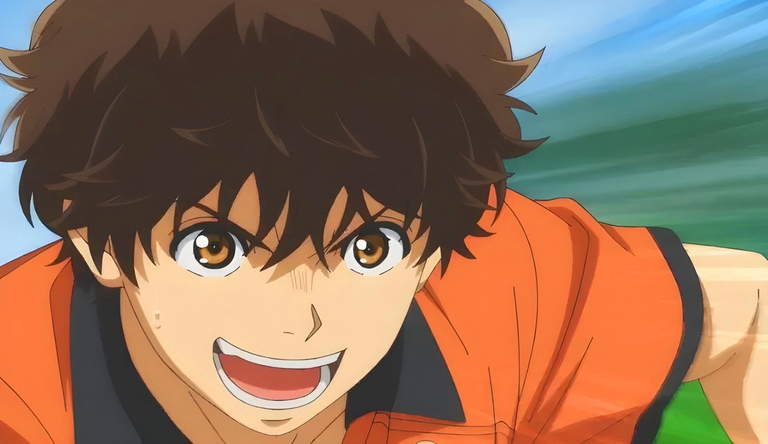
Ashito isn't physically gifted. That's the point. He's got stamina and that's about it. He isn't the fastest, isn't the strongest, and his ball control is mediocre at best when he starts. But he learns to compensate by understanding space. He learns zonal marking. He learns how to position himself so he doesn't have to outrun the winger, he just has to cut off the passing lane. He learns diagonal runs to drag defenders out of position. These are actual tactical concepts that real football coaches teach teenagers. The show explains them through Fukuda's harsh lessons or through Ashito's internal monologue without getting too technical or boring.
When Ashito finally gets promoted to the A team and has to play against high school teams that are technically superior, he doesn't suddenly develop super speed. He uses his brain. He sows chaos in the defensive line by making unpredictable movements. He acts as a pitch conductor, moving the ball quickly to exploit gaps he sees developing. This is Johan Cruyff style football. Total Football concepts adapted for a youth academy setting. The anime references real tactical philosophies without hitting you over the head with them. You see Ashito transforming his teammates just by making the right pass at the right time. He turns Asari from a rigid fullback into an improvisational threat because Ashito's movements give him options he didn't have before. That's what a good tactician does. They make everyone around them better by creating space and time on the ball.
The Blue Lock Problem
Everyone wants to compare Ao Ashi to Blue Lock because they both came out around the same time and both are soccer anime. But they're doing opposite things and Ao Ashi is winning if you care about actual football. Blue Lock is about egoism. It's about creating the world's greatest striker by having 300 guys battle royale each other in a weird prison facility. It's hype as hell and the animation goes hard, but tactically it's nonsense. The players in Blue Lock do impossible physics-breaking shots and the tactical discussions mostly boil down to "I have better eyes than you" or "my ego is bigger so I win." It's fun popcorn entertainment but it's not football.
Ao Ashi shows you the grind. It shows you the boring passing drills. It shows you how Ashito has to learn to trap the ball properly before he can do anything fancy. It shows team tactics, defensive organization, and the importance of support play. When Ashito tries to do the solo hero thing in early episodes, he gets benched or his team loses. The anime punishes selfish play consistently. That's how actual football works. One player can't carry a team unless they're Messi and even Messi needs the system to support him. Blue Lock pretends that individual brilliance is all that matters. Ao Ashi knows that's a lie that gets kids cut from real academies. The matches in Ao Ashi feel real because they're messy. There's fouls, injuries, tactical fouls, injuries, bad referee calls, and games decided by tactical adjustments rather than power-ups.
Youth Academy Reality Check
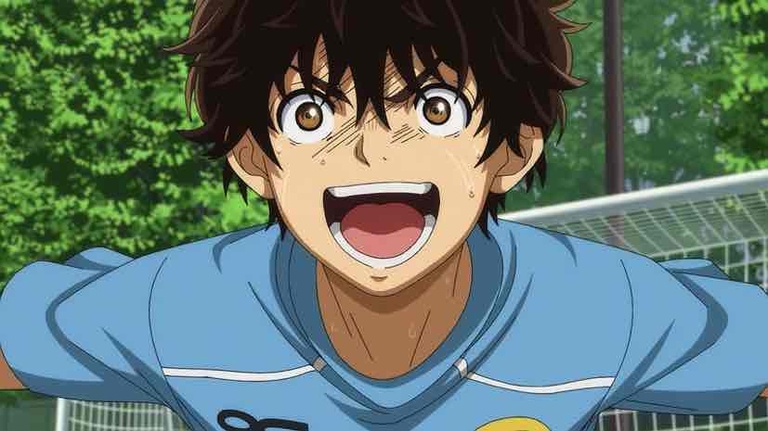
The structure of Esperion FC in the anime is based on real Japanese youth development systems. You have the Youth A team, Youth B team, and the senior J-League team all connected. Players can get promoted or demoted between levels. If you don't improve, you get cut. The anime doesn't shy away from showing how brutal this is. Kids who have dedicated their entire childhoods to football get told they're not good enough and have to go home. There's no guarantee Ashito makes it even though he's the main character. That uncertainty creates real tension in the matches. You don't know if he's going to succeed because the show has established that failure is always an option. Real youth academies in Japan operate like this. The J-League has specific rules about youth development and the show references the real pathway from youth teams to professional contracts. It's not just high school tournament drama. It's career survival.
The financial pressure is real too. Ashito's family is poor. His mom runs a bar and his brother works to support the family. Sending Ashito to Tokyo costs money they don't have. The show makes it clear that if he gets cut and sent home, it's not just embarrassing, it's financially devastating for his family. That's the reality for many athletes from working class backgrounds. They don't have safety nets. They can't afford to fail. This pressure affects how Ashito plays. He plays scared sometimes. He plays desperate. That's not something you see in sports anime where everyone is middle class and just playing for fun or glory. The tactical decisions in Ao Ashi are often influenced by these psychological and economic pressures. A player might take a conservative pass instead of a risky through ball because they can't afford to make a mistake that gets them benched.
Why This Matters for Football Fans
If you play football or coach it, Ao Ashi feels like validation. Finally, an anime that understands why the offside trap is exciting. Finally, a show where the coach screaming about diagonal runs isn't just background noise but actual tactical instruction. The anime respects the intelligence of the sport. It assumes the audience can understand that football is a chess match, not just kickball. When Fukuda talks about Cruyff's philosophy or when the characters discuss how to break a low block defense, it's accurate. You could learn actual football tactics from watching this show. You can't say that about Captain Tsubasa or even something like Days.
The character development serves the tactics too. Ashito doesn't just become a better person and suddenly play better. He becomes a better tactical thinker. He learns humility which allows him to accept defensive responsibilities. He learns to trust teammates which allows him to make the pass instead of the shot. His emotional growth directly correlates to his tactical understanding of the game. That's how it works in real sports. You can't separate the mental game from the physical one. Ao Ashi football tactics and strategy work because they ground everything in this reality. There's no magic. Just hours of training, tactical study, and the terrifying pressure of trying to make it as a pro before you're old enough to vote.