
Alderamin on the Sky plot and review threads online keep calling this show a hidden gem, but that's only half the truth. The real story is that Madhouse produced 13 episodes of brilliant military strategy anime then dropped it like a hot potato right when things got interesting. If you're looking for a complete story with a satisfying ending, this isn't it. But if you want to see a protagonist who wins battles using logistics and weather patterns instead of friendship power-ups, you won't find much better than this messy, incomplete adaptation.
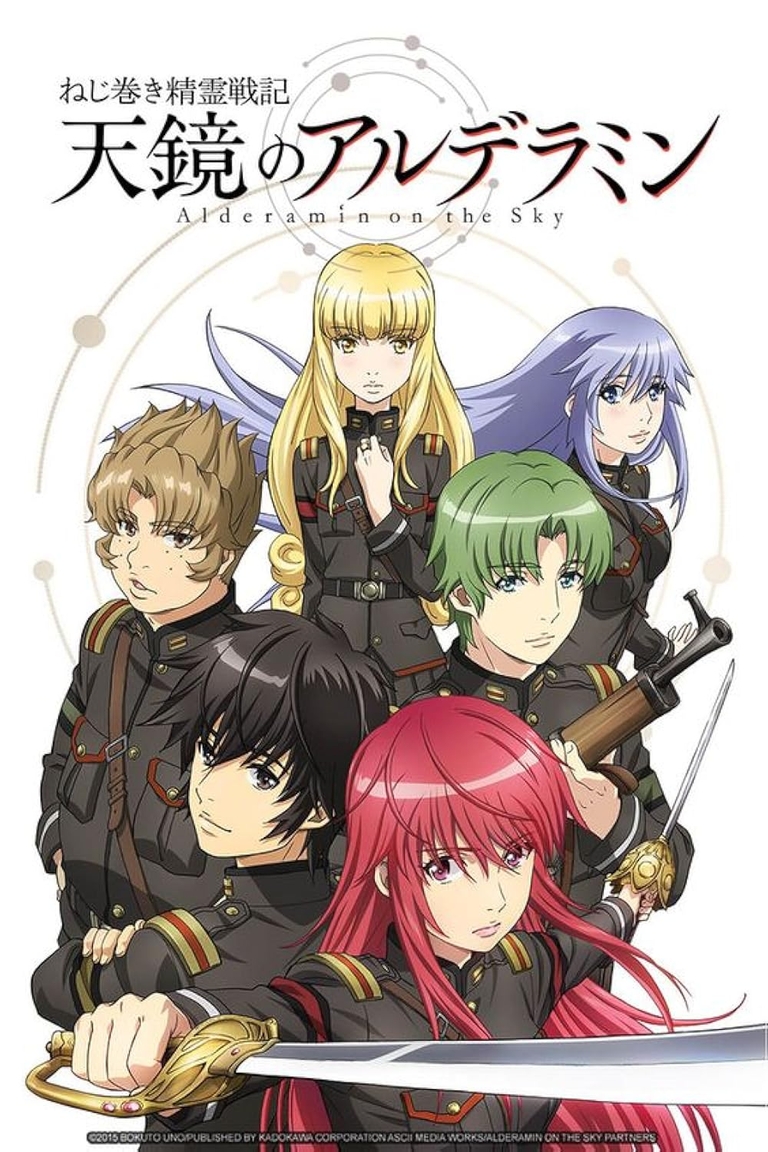
The show follows Ikta Solork, a guy who just wants to read books and nap but keeps getting pulled into a war he hates. He's not some chosen one with a magic sword. He's a lazy womanizer who happens to understand that winning wars is about supply lines, not honor. The series puts him in the Katjvarna Empire, a corrupt mess of a nation that's fighting the Kioka Republic while its own leaders are busy stabbing each other in the back. It's a military procedural disguised as a fantasy anime, and that's exactly why it works until it doesn't.
Why Ikta Solork Is The Laziest Genius In Anime
Most anime protagonists want to be the strongest or save everyone. Ikta wants to be a librarian. He hates the military, he hates fighting, and he really hates the idea of dying for some noble's ego. But he's stuck in officer school because of a promise he made years ago, and he's too smart for his own good. While other soldiers are practicing sword swings, he's calculating how many days of food his unit has left or figuring out how to use hot air balloons to scout enemy positions.
His whole thing is "relaxed war." He believes the best way to fight is to make it so easy you barely have to try. He'll spend weeks preparing traps and false information so the actual battle takes ten minutes. Other characters call him lazy, but he's just efficient. He doesn't charge into battle screaming about honor. He sits in the back, looks at the terrain, and figures out how to make the enemy defeat themselves. It's refreshing because he acts like a real person who doesn't want to get shot, not a cartoon hero who thinks pain builds character.
The show keeps reminding us through narration that this guy becomes the greatest general in history. That's not a spoiler, it's the hook. You watch to see how this bookworm who flirts with every woman he meets ends up commanding armies. The Reddit discussions about his character keep pointing out how he's basically Yang Wenli from Legend of the Galactic Heroes if Yang hated war even more and touched grass occasionally.
The Weird Partnership With Yatorishino Igsem
Every genius needs a bodyguard, and Ikta has Yatorishino Igsem, or Yatori for short. She's from a noble family that serves the royal family directly, and she's been trained since birth to kill people with swords. While Ikta is all about science and logic, Yatori is about instinct and blade work. They grew up together after some political mess involving their parents, so they trust each other completely even though they're total opposites.
Their relationship is the heart of the show. They eat meals sitting back to back so they can watch for assassins. She knows when he's bluffing, and he knows when she's about to murder someone for looking at her wrong. It's not a romance, though the show teases it sometimes. It's a partnership between someone who thinks too much and someone who acts too fast. She keeps him alive when his plans get him into trouble, and he keeps her from dying in pointless charges against machine guns.
The Crunchyroll feature calls this a buddy cop setup, and that's dead on. You've got the loose cannon genius and the by-the-book warrior forced to work together. Except instead of driving around a city, they're trying to survive a corrupt empire that sends them on suicide missions.
The Katjvarna Empire Is A Corrupt Mess
The setting isn't some heroic kingdom fighting evil demons. The Katjvarna Empire is falling apart from the inside. The nobles care more about their titles than winning the war. The military promotes people based on family connections instead of skill. Ikta keeps running into commanders who got their jobs because their dads were important, and these guys get good soldiers killed through sheer stupidity.
This is where the show gets interesting. Most military anime focus on the glory of battle or the tragedy of death. Alderamin focuses on the paperwork, the supply shortages, and the political backstabbing. Ikta wins battles not because he's stronger, but because he understands that an army without food can't fight. He uses bureaucracy against itself, finding legal loopholes to disobey stupid orders or requisition supplies from corrupt officials.
The war against the Kioka Republic is basically a stalemate where both sides are too broken to finish the job. The THEM Anime review points out how the show depicts the empire as a decaying institution where good people get screwed over by the system. It's depressing because it feels real. You see soldiers dying because some noble didn't want to pay for proper equipment, and you understand why Ikta hates this whole setup.
Real Military Tactics Instead Of Power Levels
There's no magic system where shouting makes you stronger. The battles in Alderamin look like actual 19th century warfare mixed with weird air rifle technology. Soldiers stand in lines and shoot at each other. Cannons take forever to reload. Weather matters more than sword skills. Ikta spends whole episodes figuring out how to use fog, wind direction, or the angle of the sun to win fights.
The show has these things called Sprites, which are basically elemental spirits that power the air rifles and do some light healing, but they're not game changers. They're tools. A fire Sprite can start a campfire or ignite a cannon fuse, but it won't blow up a mountain. This keeps the stakes grounded. When Ikta wins, it's because he thought three moves ahead, not because he unlocked a new transformation.
The High Grade Military Officer Exam arc takes up the first few episodes, and it's basically a survival test where candidates get dropped on an island. Instead of fighting monsters, they have to navigate enemy territory, avoid patrols, and steal a boat. Ikta's solution involves deception, misdirection, and exploiting the enemy's assumptions about how officers should behave. It's clever stuff that respects the viewer's intelligence.
The Side Characters Who Actually Matter
Beyond Ikta and Yatori, the show builds a solid crew. Torway Remeon is a noble who can shoot the wings off a fly at three hundred yards, but he's got a massive inferiority complex about his older brothers. He starts the show as a crybaby and ends up commanding the first dedicated sniper unit in the empire. Matthew Tetdrich is another noble who knows he's not as talented as the others but keeps trying anyway. He's annoying at first with his constant need for validation, but he grows into a reliable soldier who knows his limits.
Then there's Haroma Bekker, the tall, shy medic who Ikta keeps flirting with. She's not a fighter, but she keeps everyone alive. Princess Chamille Kitra Katjvarnanink shows up early too. She's twelve years old and technically the heir to the throne, and she's way too smart for a kid. She latches onto Ikta because she sees he's the only one who can save her empire from itself.

These characters get real development. Matthew and Haroma in particular change a lot over the 13 episodes. They start as cadets who barely know how to hold a rifle and end up as competent officers who trust each other with their lives. The GeeklyInc first impressions noted this back when the show was airing, and they were right that these characters carry the slower episodes.
Why The Animation Quality Is All Over The Place
Madhouse made this show, and usually that's a guarantee of quality. They did Death Parade and Hunter x Hunter. But Alderamin had some weird production issues. Early episodes use jarring CGI for the air rifles and some of the backgrounds. It looks cheap and pulls you out of the scene. The character designs are solid, especially the military uniforms which look properly 19th century European, but the CG elements haven't aged well.
That said, when the show wants to look good, it looks really good. The later episodes, especially the big tactical battles, use the budget wisely. You get fluid animation during sword fights and detailed backgrounds during the strategy meetings. The sound design is great too. The air rifles make satisfying pneumatic noises, and the cannons have real weight to them. The music knows when to shut up and let the tension breathe.
Some scenes use blood and gore effectively without being edgy. When people get hit by rifle fire, they die messy. The show doesn't glorify it, but it doesn't hide from the fact that getting shot with a high velocity air pellet or stabbed with a bayonet ruins your day permanently.
The 13 Episode Problem And Why It Ends Too Soon
Here's where I have to warn you. This anime doesn't end. It stops. After 13 episodes, right when the main plot is getting started, it just cuts to credits and says go read the light novels. It's frustrating because the show spends all this time building up Ikta's rise through the ranks, setting up political conflicts within the empire, and establishing a rivalry with a Kioka Republic strategist named Jean, then it ends before any of it pays off.
The anime covers roughly the first five light novels, and there are way more than that. The source material apparently goes into some dark places later on. There's this whole controversy about volume 7 of the light novels that got spoiled online and scared some people away from the series. Apparently something happens that changes the entire direction of the story, and fans argue about whether it was brilliant storytelling or a betrayal of the characters.
The Shonen Vanguard review calls the ending a prank, and that's fair. You get invested in these characters, you watch Ikta outsmart corrupt generals and win impossible battles, and then you're told that's all you're getting. No season 2 has been announced, and given that the show aired back in 2016, it's probably not happening.
Is It Still Worth Watching Despite The Cliffhanger
Yeah, it is. Even knowing it ends abruptly, the 13 episodes we got are solid military fiction. The tactics are smart, the characters are likable, and the world feels lived in. You just have to go in expecting an incomplete story. Think of it as a really long movie that sets up a sequel that never came out.
The show does something few anime manage. It treats war as a logistical problem rather than a heroic adventure. Ikta isn't fighting for glory or justice. He's fighting so his friends don't die and so he can eventually retire to a library somewhere. That grounded approach makes the rare emotional moments hit harder. When characters die, it feels like a waste, which is the whole point.
If you like shows where brains beat brawn, where the hero wins by being clever instead of strong, this is for you. Just don't get too attached to the idea of seeing the ending animated. Read the light novels if you want closure, or watch the 13 episodes as a standalone story about a group of friends trying to survive a broken system.
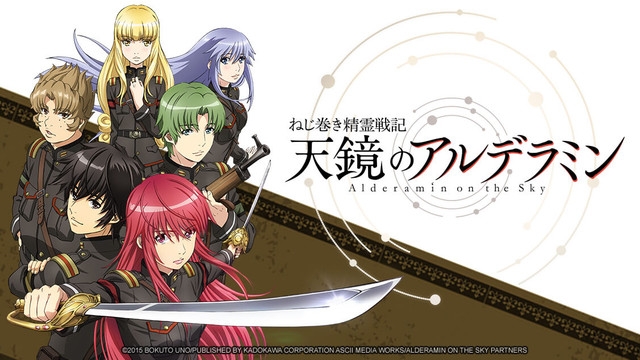
The MyAnimeList reviews keep comparing it to other military anime, but honestly it stands alone. There's no other show that mixes this level of tactical detail with fantasy elements and a protagonist who actively hates the genre he's stuck in. It's messy, it's incomplete, but it's also unique. That counts for something in a medium flooded with power fantasy isekai crap.
Alderamin on the Sky plot and review discussions always come back to the same point. It's good, sometimes great, but it's half a story. If you can live with that, you'll find one of the smartest military anime ever made. If you need closure, maybe stick to something finished. But you'll be missing out on watching a lazy librarian outsmart an entire empire using nothing but math and spite.