

91 Days revenge mafia codes and the ambiguous ending aren't just buzzwords thrown around by people who want to sound smart about anime. This show grabs you by the throat in episode one and doesn't let go until you're staring at that final black screen wondering what the hell just happened. Avilio Bruno, real name Angelo Lagusa, spends seven years planning how to destroy the Vanetti family after they murdered his parents and little brother on a hot summer night. He doesn't just want them dead. He wants them to suffer, to tear each other apart from the inside, to die believing their own blood betrayed them.
The thing that makes this different from your standard revenge flick is the mafia code woven into every frame. These guys aren't just criminals shooting each other over drug territory. They operate under rules older than the booze they're smuggling. Omertà, that silence code that real Sicilian organizations take seriously, hangs over every conversation. You see it when characters would rather take a bullet to the head than snitch to the feds. You see it when Nero has to kill his own friends to maintain family honor. The show gets that mafia life isn't glamorous parties and gold watches. It's looking over your shoulder while eating cold pasta in a safe house that smells like cigarettes and fear.
How Avilio Weaponizes the Family Structure
Avilio doesn't storm the Vanetti mansion with a tommy gun on day one. That would be too easy and he'd end up dead before he reached the stairs. Instead he spends those 91 days becoming indispensable while turning brothers against each other. He understands something basic about organized crime families that historical research confirms: the hierarchy is both their strength and their fatal weakness.
The boss sits at the top, sure, but he's dependent on his underboss, his consigliere, his capos. Avilio slips into the cracks between these roles like water finding its way through concrete. He becomes Nero's driver, then his confidant, then the guy who handles the messy jobs nobody else wants. Each promotion gets him closer to the center while he plants seeds of doubt about everyone else. It's methodical and horrible to watch because you know exactly what he's doing but you can't look away.
Nero Vanetti starts as this loud, laughing guy who seems too nice to be in the mob. By the end he's hollowed out, having killed his own brother Frate and watched his father Vincent die slowly from poison. Avilio didn't pull all those triggers himself. He made the family pull them for him. That's colder than any bullet.
The Codes They Live and Die By
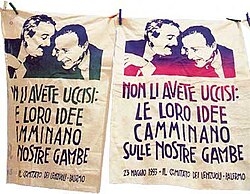
The show nails the weird relationship these guys have with religion and violence. They'll pray before murdering someone. They'll cross themselves after ordering a hit on a child. It's that compartmentalization that studies of real criminal organizations point out, where guys convince themselves they're good Catholics despite the blood on their hands because business is separate from salvation.
You see this twisted morality in the initiation scenes and the way they talk about "family." To them, family isn't just blood. It's a military unit where obedience matters more than love. When Avilio violates these codes by manipulating the family's trust, he's not just killing men. He's desecrating their religion. That's why the violence feels so personal and ugly. These aren't random gangsters. They're people who genuinely believe in loyalty right up until the moment Avilio proves loyalty is just leverage waiting to be used.
Fango represents what happens when you throw the codes out completely. He's chaotic, unpredictable, dangerous in a way that frightens even other killers. The show uses him to show that without these rules, you've just got animals eating each other. But with the rules, you've got a machine that grinds up innocent people just as efficiently. Neither option looks good.
Corteo and the Limits of Friendship
Corteo might be the most tragic character in the whole series because he never wanted any of this. He's just a chemist trying to make better hooch who gets dragged into a war because he cares about his childhood friend. Their relationship shows how revenge poisons everything it touches, even the pure stuff.
Avilio uses Corteo without mercy. He puts him in danger, lies to him, and ultimately sacrifices him to maintain his cover. When Corteo finally breaks and tries to sell information to save himself, you can't even blame him. He's drowning and grabbing for anything solid. The scene where Nero kills Corteo while Avilio watches from the shadows is when you realize our protagonist has lost his humanity completely. He's not Angelo anymore. He's a ghost wearing Avilio's face.
This mirrors real patterns where criminal codes demand total allegiance while offering no real protection for the little guys. Corteo thought being smart and useful would save him. He learned the hard way that in this world, everyone is disposable eventually.
The 91 Days Structure and Pacing
The title refers to the time between Avilio's return to Lawless and the final confrontation. Each episode tightens the noose a little more. You feel the seasons changing, the heat of summer giving way to cold autumn, matching the cooling of relationships and the hardening of hearts.
This isn't a slow burn. It's a pressure cooker. The show throws in time skips that feel disorienting on purpose because Avilio himself is losing track of time. Days blur together when you're constantly lying and killing. The countdown creates this suffocating tension where you know the end is coming but you don't know who will be left standing when it arrives.
Episode seven with the play "Tomorrow and Tomorrow" is where the pretense drops. The actors on stage talk about meaningless sound and fury while Avilio and Nero watch from the audience, both men realizing they're characters in a tragedy they can't escape. It's heavy handed but it works because the show earned that moment of self-awareness.
Reading That Final Scene
The ending of 91 Days revenge mafia codes and the ambiguous conclusion breaks people because it refuses to give you closure. Avilio and Nero drive to the beach. Avilio talks about wanting to see the ocean. They sit on the sand. Nero pulls out the letter Avilio wrote confessing everything. Then the screen cuts to black and we hear a gunshot. Or maybe we don't. The sound design is deliberately unclear.
Here's what we know for sure. Avilio left his gun in the car. He wanted to die. He says as much earlier, that he has nothing left after his revenge is complete. Nero has every reason to kill him. Avilio destroyed his family, killed his brother, poisoned his father, and turned his best friend into a corpse. But Nero also has no family left, no empire, no reason to live beyond the mechanical continuation of existence.
The briefcase full of money is empty when Nero opens it later, or maybe that's symbolic. Some fans think Nero shot Avilio and walked away alone. Others think Nero couldn't pull the trigger and they both lived, or both died, or the gun clicked on an empty chamber. The ambiguity isn't lazy writing. It's the whole point.
Revenge stories usually end with the hero either finding peace or dying nobly. 91 Days says both options are lies. There's no peace after what Avilio did. He murdered children by proxy, destroyed innocent lives, became worse than the men who killed his family. If he dies on that beach, it's not justice. It's just the last domino falling. If he lives, he has to wake up every morning remembering what he became.
Why the Codes Failed Everyone
The mafia codes were supposed to prevent this exact scenario. The rules about family loyalty, about handling disputes through the commission, about not targeting civilians, they were all designed to create stability. But codes are just words on paper when someone decides words don't matter anymore.
Avilio exploits every rule. He uses the family's insistence on hospitality to get inside. He uses their code of silence to ensure nobody talks about his suspicious behavior. He uses their respect for hierarchy to climb toward Vincent Vanetti. The system that was supposed to make them untouchable became the delivery mechanism for their destruction.
This reflects real dynamics in organized crime structures where rigid hierarchies create predictable vulnerabilities. When everyone knows the rules, someone who ignores the rules has all the advantages. Fango understood this too but he was too loud about it. Avilio was quiet, patient, invisible.
The Visual Language of Betrayal
The animation uses shadows like a noir film from the actual 1930s. Faces half-hidden in darkness, eyes glowing with cigarette light, rain that never seems to stop. When characters are lying, the lighting gets harsher. When they're telling the truth, usually right before they die, the scenes get softer, almost dreamlike.
Color matters too. Avilio wears blue initially, cold and distant. As he gets closer to Nero, he starts wearing browns and creams, earth tones that blend into the Vanetti aesthetic. He's camouflaging himself not just in behavior but in appearance. By the final episodes, he's wearing black like everyone else, fully absorbed into the machine he set out to break.
The alcohol itself becomes a character. The way it flows, gets bottled, gets shipped, mirrors the flow of blood and secrets. When Corteo improves the recipe, he's not just making better booze. He's making a more efficient weapon for Avilio to use against his enemies.
The Galassia Problem
The Galassia family showing up from Chicago represents the outside world intruding on this private war. They're bigger, richer, and don't care about the local traditions. Their presence raises the stakes because suddenly it's not just about the Vanettis anymore. It's about territory and survival.
Ronald Galassia is an idiot and a brute but he's protected by his family name. This frustrates Avilio's plans because you can't manipulate someone who doesn't care about the local power structure. It also shows how provincial the Vanettis really are. They think they're big fish until the ocean shows up.
The final massacre at the playhouse brings everyone together in one room and lets the violence speak for itself. Codes don't matter when bullets start flying. Loyalty doesn't matter when you're bleeding out on a theater floor. It's fitting that Avilio's revenge ends not with a duel or a speech but with chaotic slaughter. That's what he built. That's what he deserves.
What Revenge Actually Costs
By the time Avilio has killed everyone on his list, he's not satisfied. He's empty. You can see it in his eyes in the final episodes. The fire that kept him going for seven years went out and left him cold. He tells Nero that he doesn't know why he's alive anymore, and he means it.
This is where the show separates itself from cheaper revenge fantasies. It doesn't celebrate the killing. It shows you the weight of it. Every body Avilio stepped over to get to Vincent Vanetti stayed with him. He remembers their faces. He dreams about them. The revenge wasn't catharsis. It was just more trauma layered on top of the original wound.
Nero understands this by the end too. When he drives away from the beach, or doesn't, he's carrying the same weight. He killed his own blood. He trusted the wrong friend. He survived but survival isn't the same as living.
The Soundtrack as Warning
The jazz and blues soundtrack isn't just period dressing. The lyrics often tell you exactly what's going to happen before it happens. Songs about rain, about losing everything, about wanting to go home. Avilio doesn't have a home anymore. He burned it down metaphorically and literally.
The opening theme with its countdown imagery and burning photographs sets the tone immediately. This is a story about erasure. Angelo Lagusa got erased the night his family died. Avilio Bruno gets erased when the revenge ends. There's no person left underneath the mission.
Final Thoughts on the Ending
People argue about whether Nero shot Avilio because they want the story to mean something specific. They want justice or tragedy or redemption. The show refuses to give you any of those clean endings because real violence doesn't come with a moral attached.
If Nero killed Avilio, it's not justice. It's just the last act of a man who has nothing left to lose. If he spared him, it's not mercy. It's cruelty, forcing Avilio to live with what he did. If they both died, it's not poetic. It's just wasteful. If they both lived, it's not hopeful. It's two ghosts haunting each other.
That's why 91 Days revenge mafia codes and the ambiguous ending stick with you years after watching. It doesn't let you off the hook with easy answers. It shows you a man who gave everything to hate and asks you whether the price was worth paying. The silence at the end of that final episode isn't empty. It's full of everything the characters couldn't say to each other while they were alive.
The briefcase being empty is the perfect final image. Seven years of planning, 91 days of execution, countless lives destroyed, and what's left? A box with nothing inside. That's what revenge gets you. That's the only code that matters in the end.